


 русский
  Español
  Deutsch
Why Do Folding Outdoor Lounge Chairs Collapse Suddenly
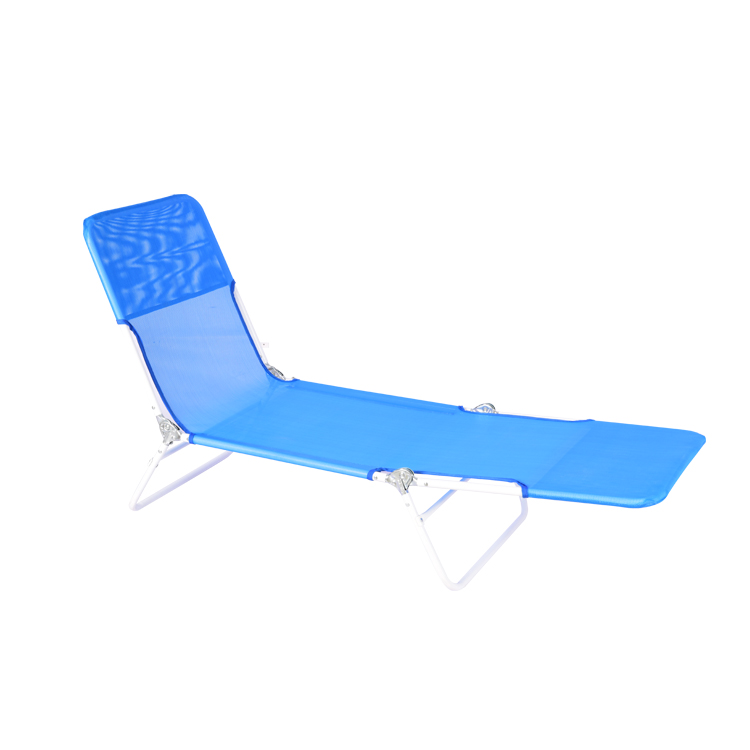
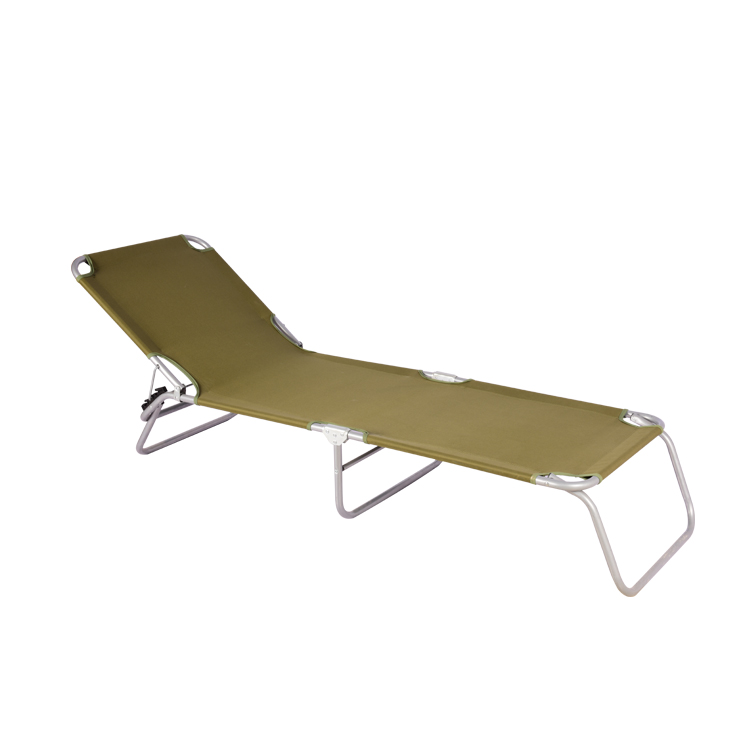
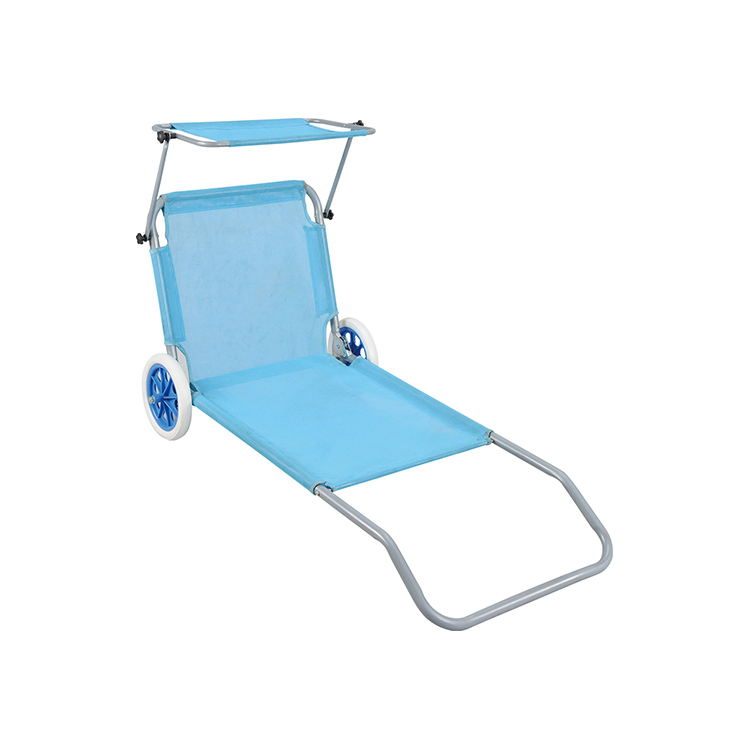
Outdoor seating designed for relaxation often hides complex mechanical behavior beneath a simple appearance. A Folding Outdoor Lounge Chair may feel solid during initial use, yet sudden collapse events still occur in real-world conditions. These failures are rarely random. They usually come from a mix of hinge fatigue, material mismatch, load misalignment, and ground instability interacting at the same time.
Recent safety reports even show that structural failure in reclining lounge chairs can escalate beyond discomfort, with documented injury risks linked to pinch points in adjustment systems. That makes understanding collapse behavior not only practical but also safety-relevant.
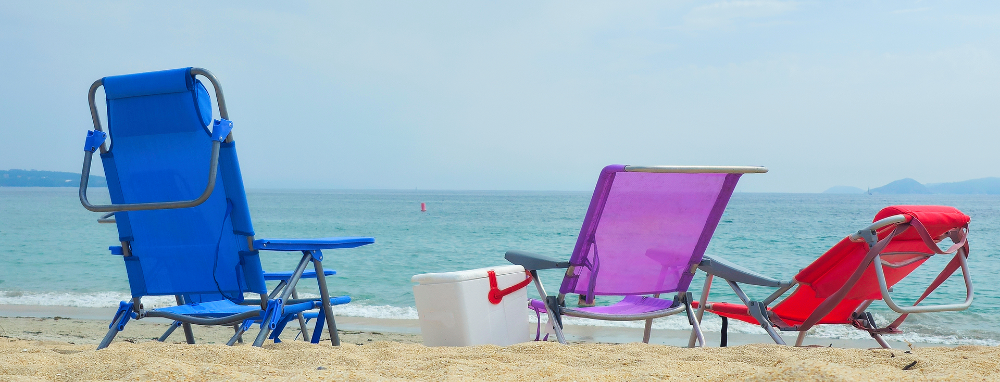
Hinge Mechanism Weak Points
Stress concentration at pivot joints
Folding lounge chairs rely heavily on a few key pivot points. These joints carry repeated bending loads every time the chair transitions between reclined and folded states. Over time, micro-fractures can form around rivets or locking pins, gradually reducing structural integrity.
Even small looseness in a hinge can amplify motion under body weight, especially during shifting posture.
Debris and corrosion interference
Outdoor environments introduce sand, salt, and moisture into hinge assemblies. Once debris accumulates, movement becomes uneven, increasing friction on one side of the mechanism. This uneven force distribution can trigger partial lock failure or unexpected folding.
Field maintenance guides consistently point to hinge contamination as a primary reason for folding and unfolding problems .
Frame Geometry and Load Behavior
Reclined position weight shift
Reclining lounge chairs shift the user’s center of mass backward. This changes how force travels through the rear legs and hinge arms. Once the load moves outside the designed support triangle, stability decreases noticeably.
A deeper recline angle increases leverage against the rear support structure, especially during adjustments.
Thin-tube deformation under repeated cycles
Many portable lounge chairs use lightweight aluminum tubing to reduce carrying weight. However, thin-wall tubes may experience gradual deformation under repeated loading cycles. This slow bending alters leg angles, which can cause uneven ground contact and instability during use.
A study of folding chair failures shows that frame flex combined with joint fatigue is a common collapse trigger pattern .
Fabric Tension and Structural Drift
Seat fabric stretching effects
Textile seating surfaces gradually loosen over time. As fabric tension decreases, the user sinks slightly deeper into the seat. This shift changes force distribution across the frame, increasing stress on hinge points and front leg supports.
Uneven stretching on one side can also introduce lateral imbalance.
Stitching and edge reinforcement limits
Stitching failure near attachment points weakens how force transfers from fabric to frame. Once stitching begins to loosen, weight is no longer evenly distributed, causing localized overloading.
Some outdoor chair reviews show that stitching failure often appears before full structural breakdown .
Ground Contact Instability
Soft sand and uneven soil effects
Outdoor terrain rarely offers uniform support. On sand or loose soil, one leg may sink deeper than others. This creates angular stress across the frame, forcing joints to compensate beyond their intended range.
Once one support point loses height, the entire structure begins to tilt, increasing collapse probability.
Gravel and hard surface pivoting
Hard surfaces with small stones create point-contact instability. Instead of flat support, legs rest on uneven micro-surfaces, which can cause rocking motion. Repeated rocking transfers shock loads into hinge assemblies.
Structural Comparison Table
| Feature | Lightweight Folding Lounge Chair | Reinforced Outdoor Recliner | Collapse Risk Influence |
| Frame Material | Thin aluminum tubing | Thick aluminum / steel blend | Higher rigidity reduces deformation |
| Hinge System | Rivet-based joints | Bolted reinforced pivots | Bolts resist long-term loosening |
| Seat Material | Single-layer polyester mesh | Multi-layer reinforced fabric | Stronger fabric reduces sag |
| Recline Mechanism | Multi-position lock | Limited-angle support | Fewer moving parts improves stability |
| Ground Contact | Narrow plastic feet | Wide anti-sink feet | Wider base improves load spread |
| Maintenance Sensitivity | High | Moderate | Dirt impact lower in reinforced models |
Failure Progression Patterns
Gradual instability buildup
Collapse rarely occurs instantly without warning signs. Common early indicators include:
- Slight uneven rocking during seating
- Audible creaking at hinge points
- Increased resistance during folding motion
- Visible fabric sagging on one side
These signals often indicate structural fatigue accumulating across multiple components.
Sudden lock disengagement
In some cases, locking mechanisms disengage unexpectedly due to worn pins or misaligned hinges. Once the lock fails, the chair may transition rapidly into a folded position under body weight.
This type of failure is more likely in models with complex multi-position recline systems.
Material Behavior Under Repeated Stress
Aluminum fatigue response
Aluminum used in portable furniture is lightweight but sensitive to repeated bending cycles. Over time, microscopic stress fractures can form, especially near welded joints or drilled holes.
Once fatigue accumulates, the material loses elasticity and becomes more prone to sudden deformation.
Plastic component degradation
Plastic hinge covers and locking tabs can become brittle after prolonged sun exposure. UV radiation gradually reduces flexibility, making components more likely to crack under pressure.
User Interaction Factors
Improper weight distribution
Shifting weight to one side during sitting or standing creates asymmetric force loads. This is particularly impactful during entry and exit from the chair.
Sudden movement during recline adjustment
Quick adjustments between reclining positions generate dynamic loads that exceed static design expectations. These forces travel directly into hinge assemblies and locking bars.
Engineering Insight Summary
Sudden collapse in folding lounge chairs is rarely a single-point failure. It usually emerges from overlapping weaknesses:
- Joint fatigue reducing structural stiffness
- Fabric tension changes altering load paths
- Ground irregularities introducing angular stress
- Material aging weakening resistance capacity
Even small imperfections across these areas can combine into a full structural failure under normal use conditions.
A Folding Outdoor Lounge Chair operates as a balance system between flexibility and rigidity. Once hinge wear, frame deformation, or fabric loosening pushes that balance beyond its designed range, collapse becomes a mechanical inevitability rather than an unexpected accident.
Design improvements that reduce moving parts, strengthen load paths, and widen ground contact significantly improve long-term reliability, especially in outdoor environments where conditions are unpredictable.

-
-
 TEL:
TEL:
- +86-13738961469
-
-
-
 EMAIL:
- cnds@cndsgm.com
-
-
-
 ADDRESS:
- Niubei Jincun, Baiyang Sub-district, Wuyi County, Jinhua City, Zhejiang Province, China
-
Outdoor Leisure Products Manufacturer

