

 русский
  Español
  Deutsch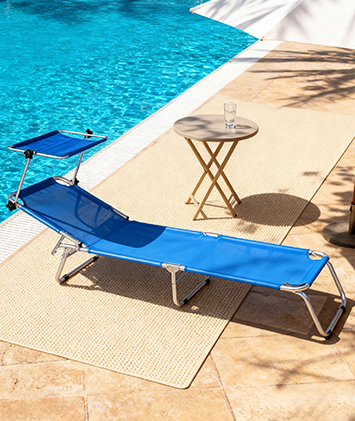
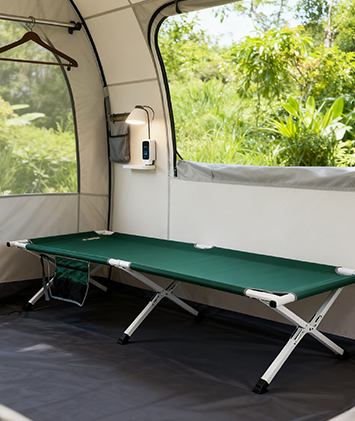
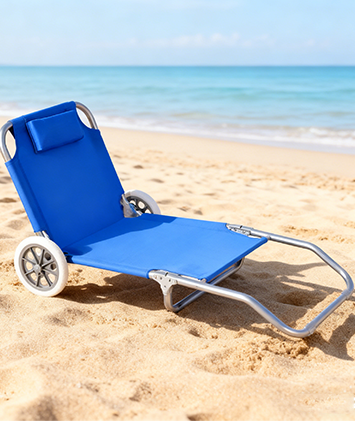
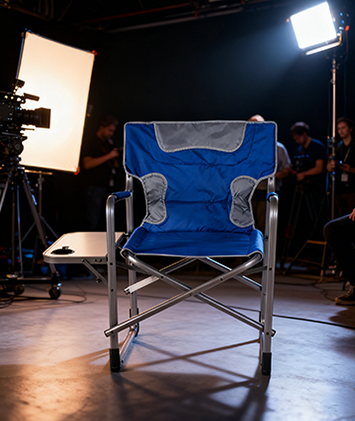
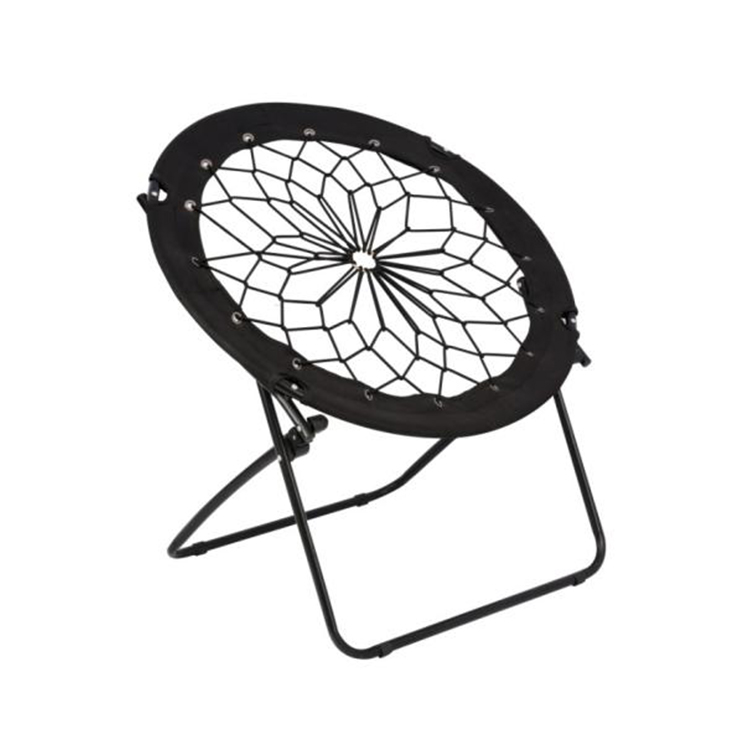
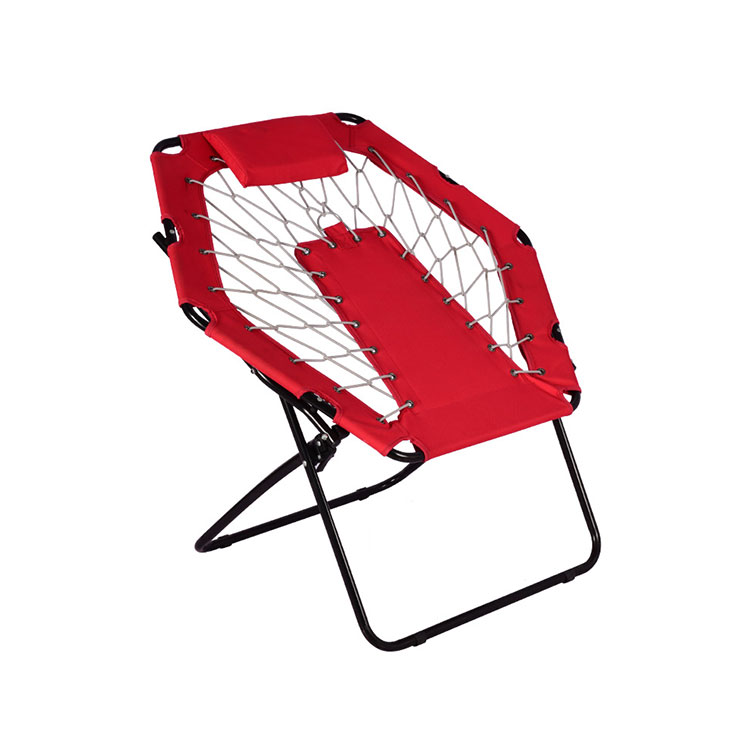
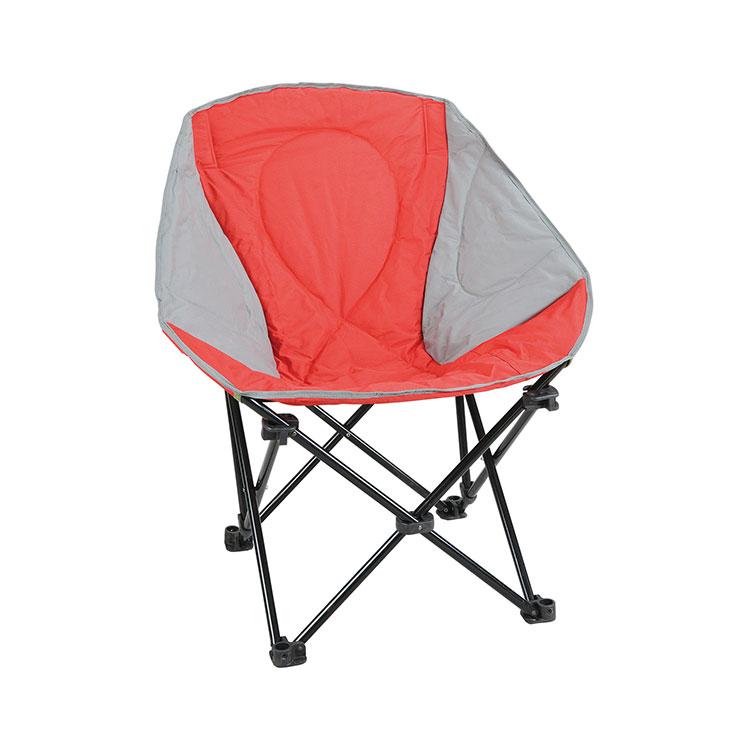
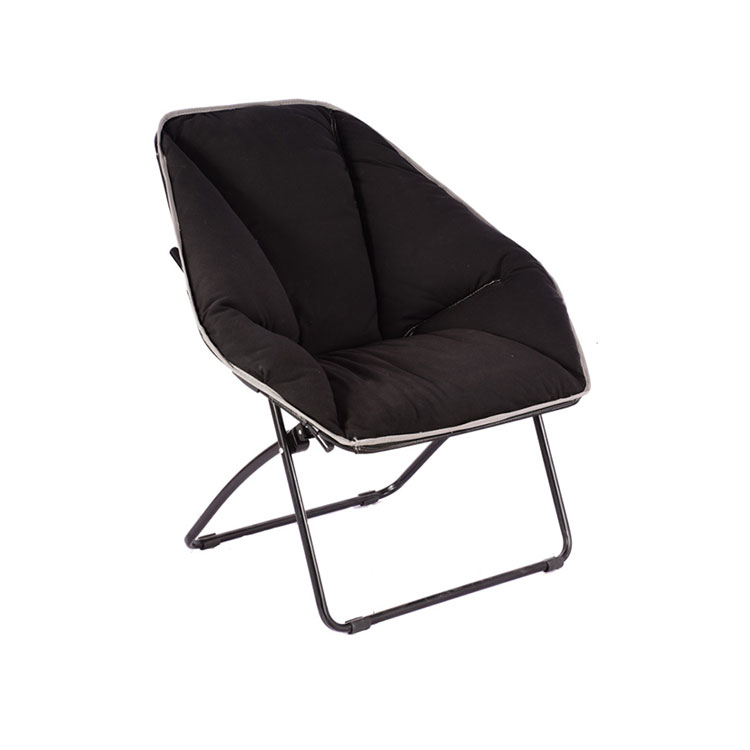
What are the current trends in Leisure Chairs?
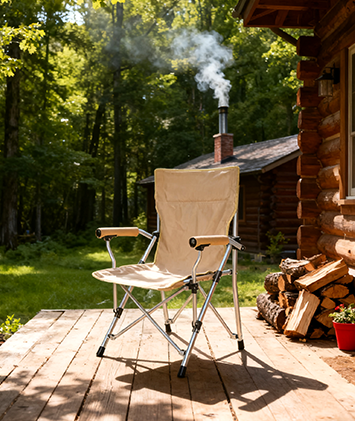
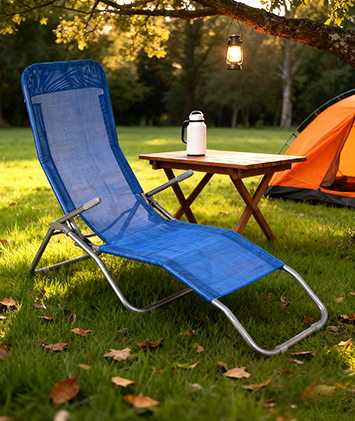
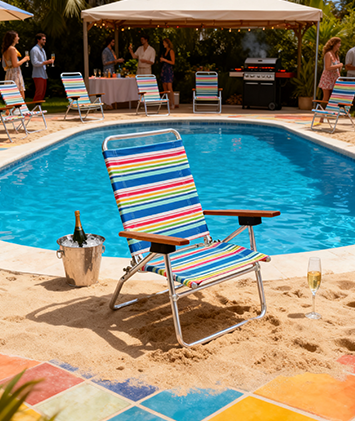
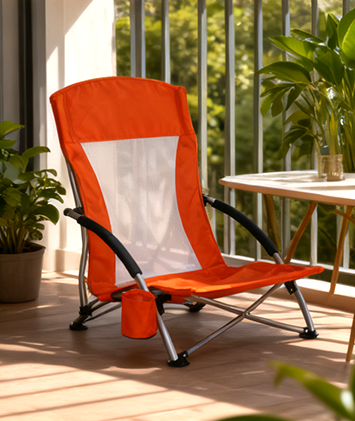
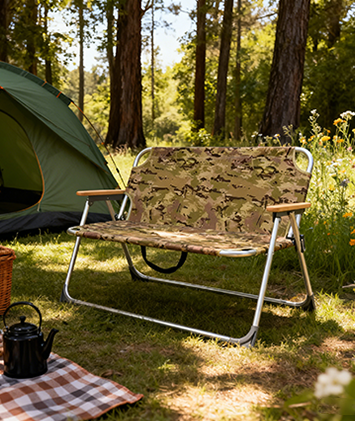
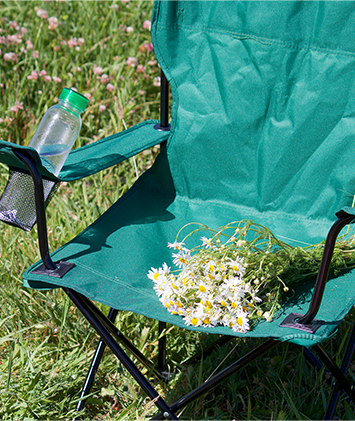
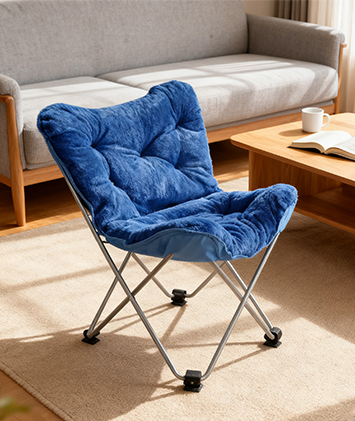
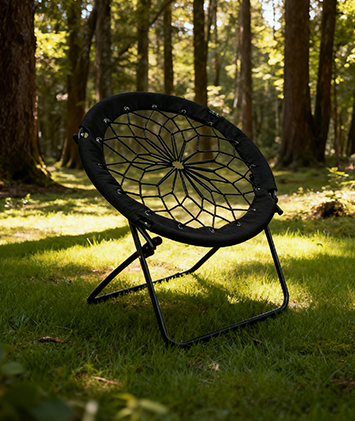
Leisure chairs have evolved to include designs that prioritize portability, versatility, and moderate durability. Foldable and lightweight models are increasingly common, allowing for easy transport to outdoor settings such as beaches, parks, or gardens. Materials such as aluminum and coated steel are widely used for frames, paired with polyester, mesh, or Oxford cloth fabric. Adjustable reclining mechanisms and integrated accessories like cup holders or side pockets are features seen in contemporary designs. In addition, there is a trend toward modular or multi-purpose chairs that can be used in various situations, including camping, picnics, or casual backyard relaxation.
What factors affect the comfort and support of a Leisure Chair?
Several factors determine how comfortable and supportive a leisure chair is. The first factor is the frame design and material. Aluminum frames are lightweight and provide stable support, while steel frames offer higher load capacity. The second factor is the seating surface. Fabric materials such as polyester, mesh, or Oxford cloth must be stretched evenly to prevent sagging, which can reduce comfort.
Reclining options and backrest height also contribute to user comfort. Adjustable positions allow users to find angles suitable for resting, reading, or sunbathing. Armrests and footrests improve support, particularly for extended periods of use. Cushioning or padding can enhance comfort but may increase the chair’s weight. Finally, stability on different surfaces, such as sand, grass, or uneven ground, affects user experience.
Can an outdoor leisure lounge chair be left outside in all weather conditions?
Many outdoor leisure lounge chairs are designed to withstand moderate outdoor exposure, but they are not intended for permanent outdoor placement. Metal frames with powder-coated or corrosion-resistant finishes resist moisture, but prolonged exposure to rain or humidity can lead to rust over time. Fabric surfaces may fade or weaken if left under direct sunlight for extended periods. Using protective covers and storing the chair in a sheltered location when not in use helps maintain its condition.
Are outdoor leisure lounge chairs adjustable?
Many models feature adjustable backrests, allowing users to recline at multiple angles. Some chairs include detachable footrests or extendable components to support legs. While these features improve versatility, adjustment mechanisms should be used carefully to avoid overextending or stressing the frame.
How should outdoor leisure lounge chairs be maintained?
Regular maintenance is essential for longevity. Cleaning the fabric with mild soap and water prevents dirt and mildew buildup. Metal frames should be checked for scratches or corrosion, and any moving parts should be lubricated if stiffness occurs. Ensuring the chair is fully dry before folding and storing reduces the risk of mold or frame damage. Periodic inspection of screws, bolts, and joints ensures continued stability and safety during use.
What are the manufacturing processes for a Folding Lounge Chair?
1. Frame Preparation:
The manufacturing process begins with selecting frame materials, commonly aluminum or steel. Tubes or rods are cut to specified lengths, then bent or shaped into the desired structural form. Edges are smoothed, and joints are prepared for assembly. Metal surfaces are treated with powder coating or anti-corrosion finishes to improve durability.
2. Fabric Production:
Fabric for the seat and backrest is cut from rolls of polyester, Oxford cloth, or mesh. Edges are reinforced with stitching or binding to prevent fraying. In some cases, padding is added between layers for increased comfort. Fabric dimensions are tailored to fit the frame precisely, ensuring proper tension when assembled.
3. Component Assembly:
Frames are welded or bolted together, and folding mechanisms are installed. Hinges, crossbars, and locking devices are attached to allow the chair to fold and unfold securely. Fabric panels are then mounted onto the frame using screws, rivets, or tensioning systems. Armrests, footrests, or additional accessories are added at this stage.
4. Quality Control and Finishing:
The completed chair is inspected for structural integrity, fabric alignment, and proper functioning of folding components. Moving parts are tested, and surface finishes are checked for uniformity. Finally, the chair is folded, packaged, and labeled for shipping.