

 русский
  Español
  Deutsch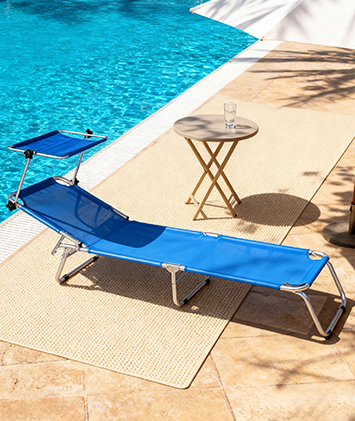
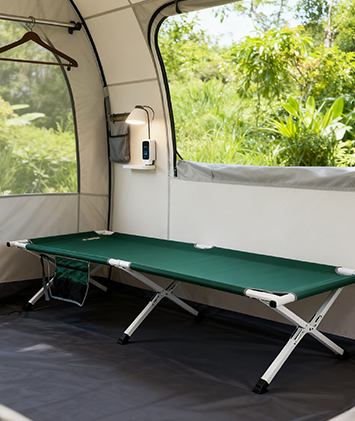
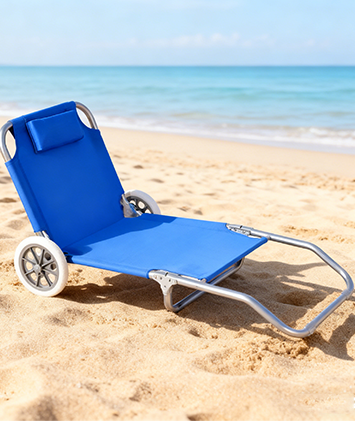
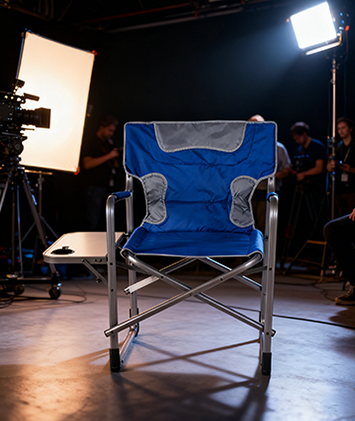
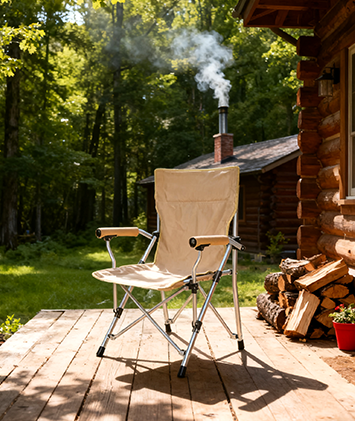
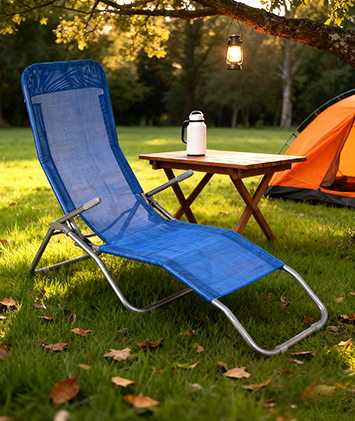
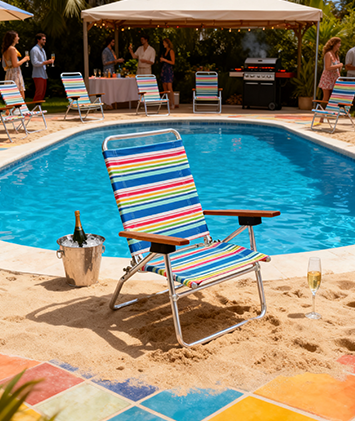
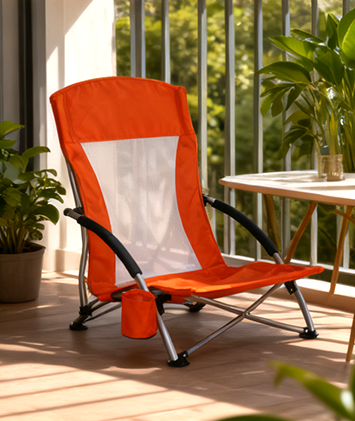
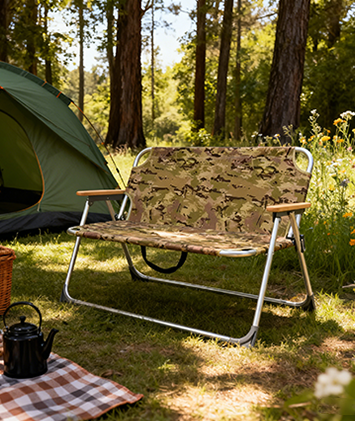
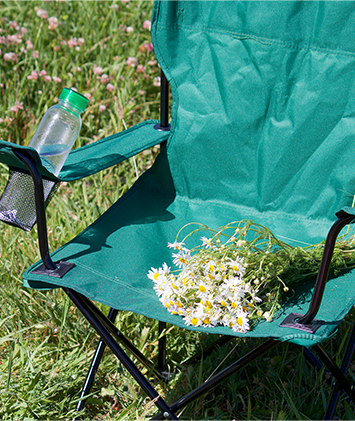
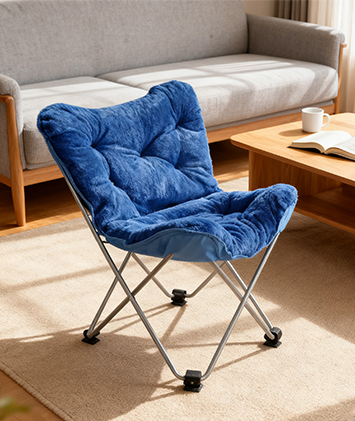
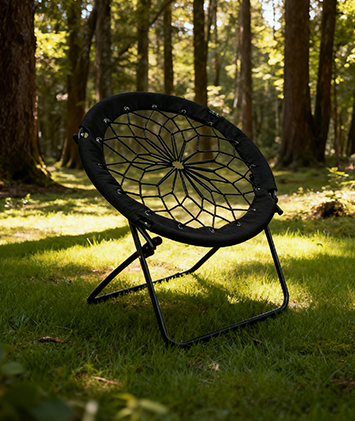
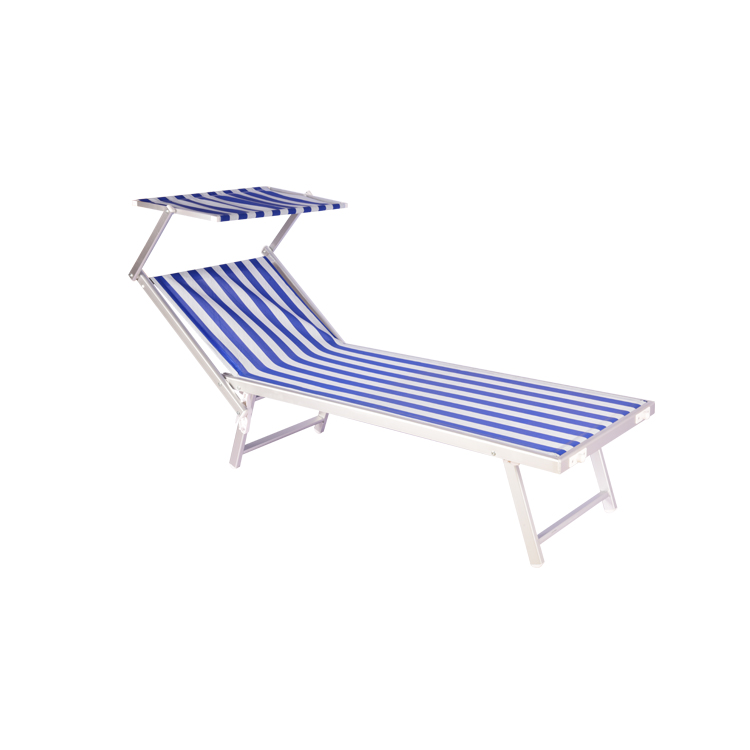
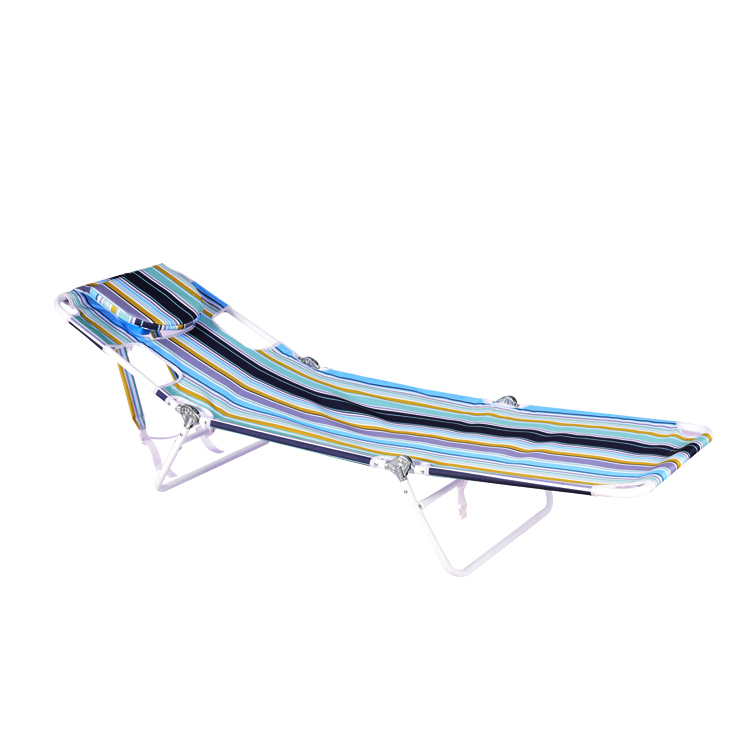
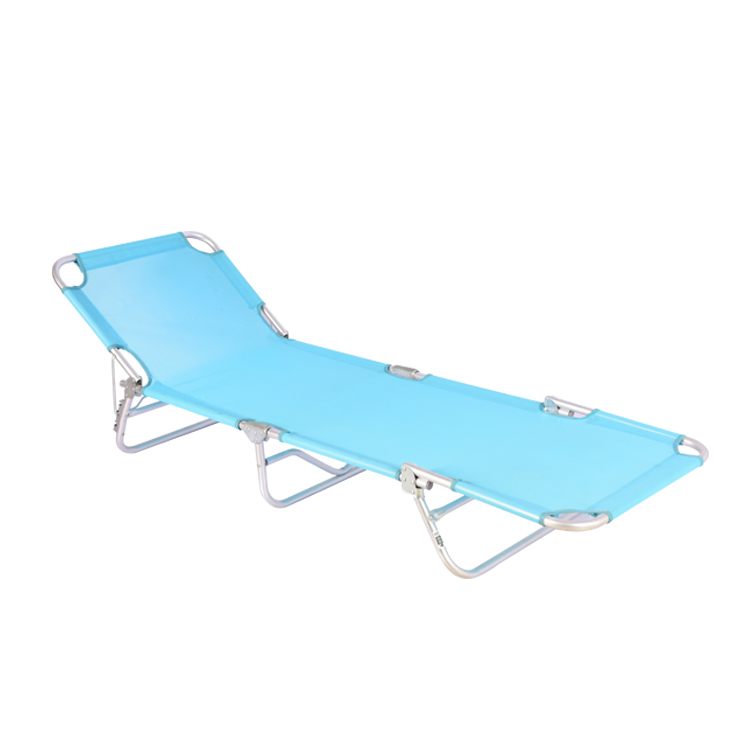
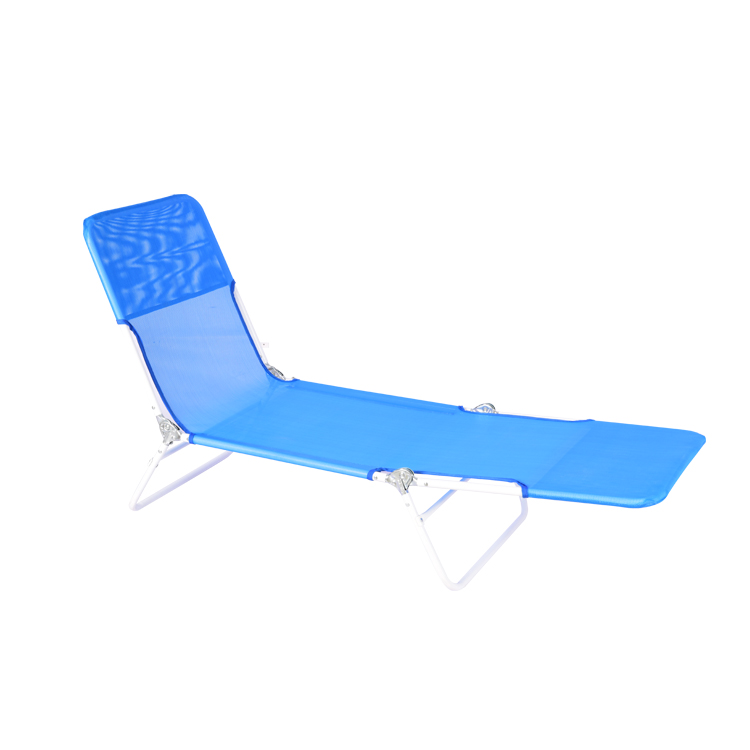
What are the advantages and materials of a Foldable Beach Bed?
- Lightweight structure allows easy transport to beaches, parks, or campsites
- Foldable design reduces storage space when not in use
- Common materials include aluminum frames, steel supports, and breathable fabric surfaces
- Fabric is often made of polyester, Oxford cloth, or mesh for airflow and comfort
- Corrosion-resistant coatings help withstand moisture and salt exposure
- Adjustable backrests provide multiple reclining positions
- Non-slip feet improve stability on sand or uneven ground
- Quick folding mechanisms simplify setup and packing
- Some models include headrests or side pockets for added convenience
- Durable stitching and reinforced joints extend product lifespan
What are the materials of a Foldable Beach Bed?
• Foldable beach beds are designed for portability, making them suitable for travel, outdoor leisure, and temporary rest areas
• The compact folding mechanism allows users to carry or store the bed without requiring large storage space
• Aluminum is a commonly used frame material due to its low weight and resistance to rust
• Steel frames may be used for added structural strength, though they increase overall weight
• Fabric materials typically include polyester or Oxford cloth, which provide durability and resistance to wear
• Mesh panels are often integrated to improve ventilation and reduce heat buildup during extended use
• Many designs include adjustable reclining angles, supporting different sitting or lying positions
• Anti-corrosion coatings protect the frame from exposure to saltwater and humidity
• Reinforced hinges and joints contribute to stability and long-term usability
• Additional features, such as detachable pillows or storage pockets, enhance functionality without complicating the design
How heavy is a Foldable Outdoor Lounger?
- The weight of a foldable outdoor lounger generally ranges between 4 kg and 10 kg, depending on materials and design
- Lightweight models, often made with aluminum frames and thin fabric, typically weigh around 4–6 kg
- Heavier models that use steel frames or thicker padding may weigh between 7 and 10 kg
- The inclusion of additional features, such as cushions, canopies, or armrests, can increase overall weight
- Compact minimalist loungers are designed for portability and may prioritize reduced weight over added comfort features
- Loungers intended for camping or backpacking often use lighter alloys and simplified structures
- Beach-specific loungers may include corrosion-resistant coatings, which do not significantly affect weight but enhance durability
- Weight distribution also plays a role; evenly balanced designs are easier to carry, even if slightly heavier
- Folded dimensions influence perceived weight during transport, especially when carried by hand or shoulder strap
- Some loungers include carrying bags, which add minor weight but improve portability
- Heavier loungers may provide increased stability in windy or uneven outdoor environments
- The thickness of the fabric or padding contributes to both comfort and total mass
- Multi-position reclining systems may add mechanical components, slightly increasing weight
- Manufacturers often specify weight capacity alongside product weight, indicating structural strength
- For casual beach use, a moderate weight of around 5–7 kg is often practical for balancing portability and durability
- Users who frequently travel may prefer lighter models for easier handling and transport
- The weight category should be selected based on intended use, frequency of movement, and comfort requirements
Is a Metal Beach Lounge Chair easy to assemble?
A metal beach lounge chair is generally designed with ease of assembly in mind, particularly because it is intended for outdoor and recreational use. Many models arrive either fully assembled or partially pre-assembled, requiring minimal user effort before use. This approach reduces setup time and allows users to focus on convenience rather than complex installation.
In many cases, the frame of a metal beach lounge chair is connected through hinged joints or elastic cord systems. These components allow the chair to unfold into its functional shape without the need for tools. Users typically only need to extend the frame and secure locking mechanisms, which are often built into the structure. This design supports quick setup and folding, making it suitable for temporary outdoor arrangements.
Some models may require minor assembly steps, such as attaching fabric panels, armrests, or headrests. These components are usually designed with simple fastening methods like clips, Velcro straps, or basic screws. Instruction manuals are typically straightforward, focusing on visual guidance rather than technical detail.
The use of materials such as aluminum or coated steel contributes to both durability and manageable handling during assembly. These materials are rigid enough to maintain structure while still allowing folding mechanisms to operate smoothly. Additionally, corrosion-resistant finishes help maintain functionality over time, even with repeated assembly and disassembly in outdoor conditions.
The metal beach lounge chair is considered easy to assemble due to its simplified structure, pre-assembled components, and user-oriented design.