

 русский
  Español
  Deutsch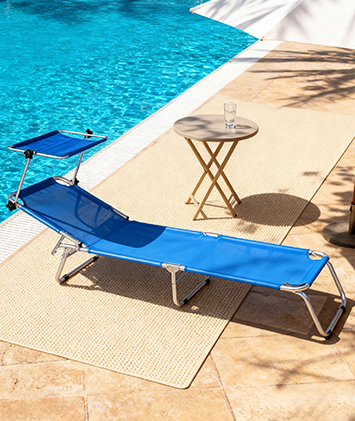
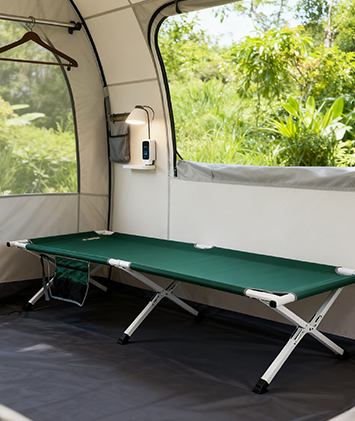
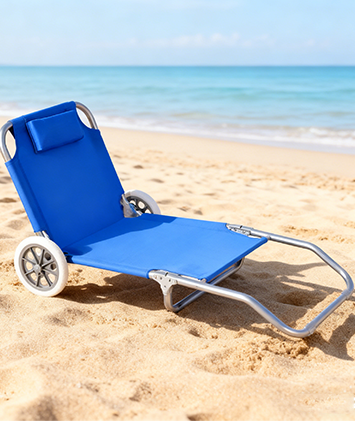
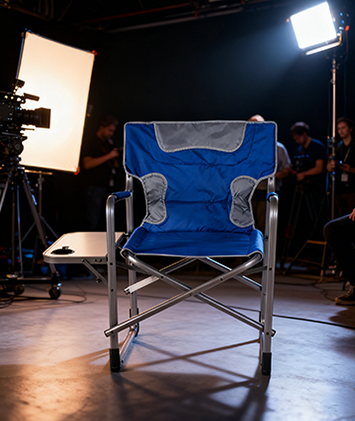
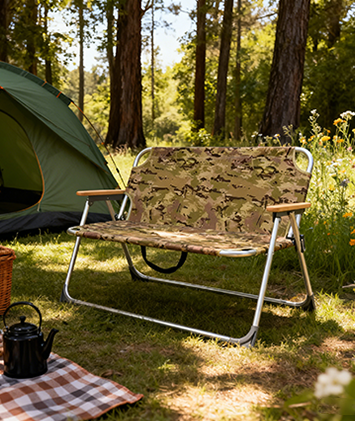
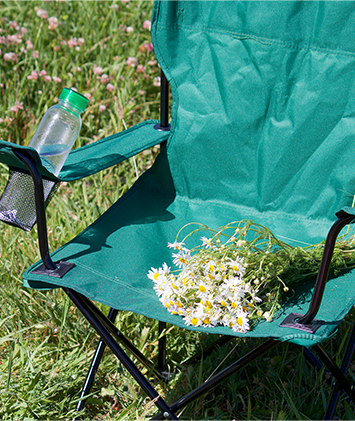
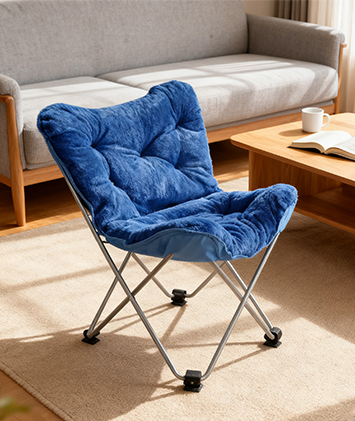
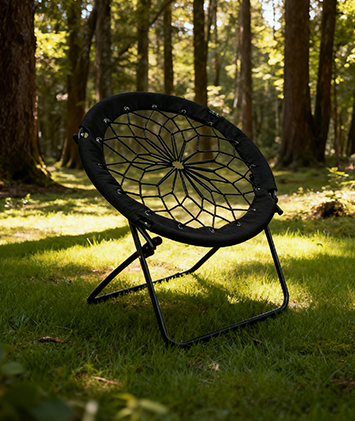
What types of Outdoor Leisure Chairs are there?
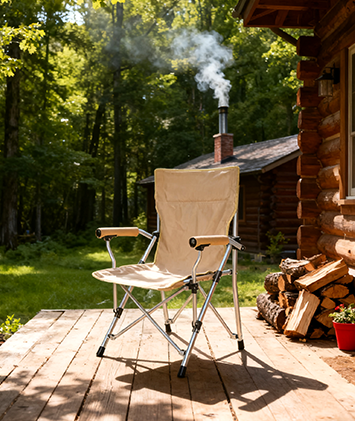
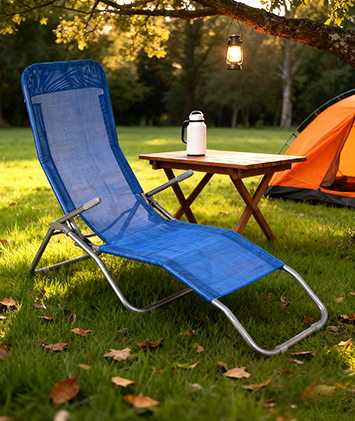
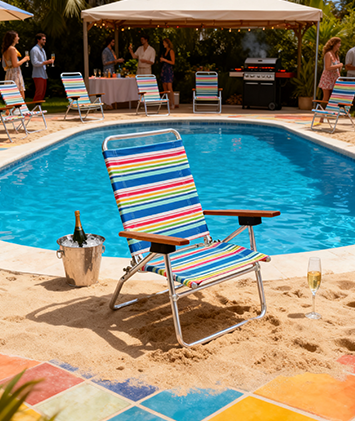
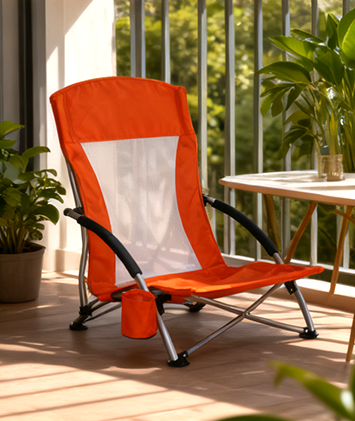
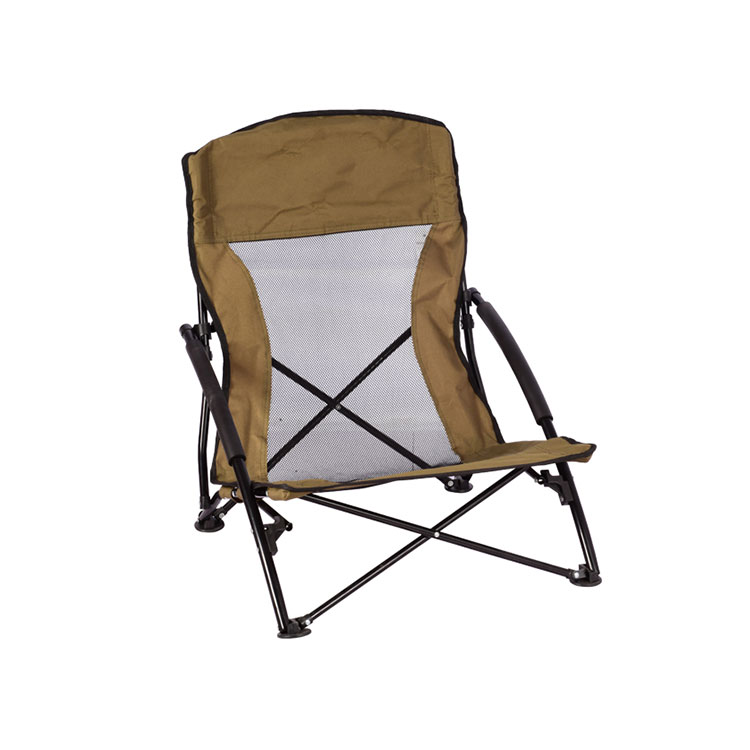
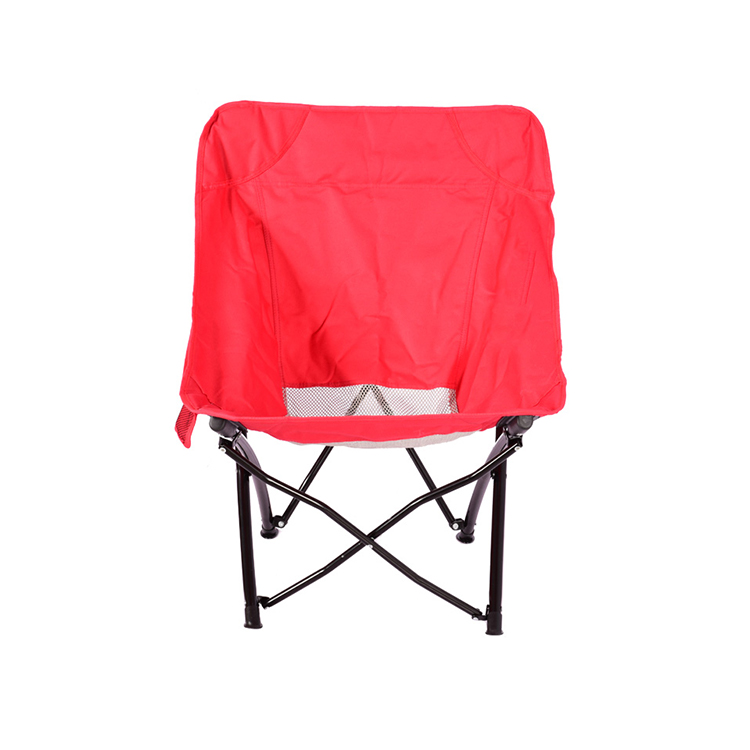
Outdoor leisure chairs are classified by their structural design and intended setting. The main types include folding chairs with scissor frames, stackable chairs with fixed legs, reclining chaise lounges for horizontal positioning, rocking chairs with curved runners, director’s chairs with side tables, suspension chairs hung from a stand or beam, and bench-style multi-seat chairs. Each type serves a distinct duration of use, from brief seating at a campsite to extended lounging by a pool.
The following table compares six common types of outdoor leisure chairs across five functional attributes. The data represent typical values observed in mid-range products.
|
Chair Type |
Typical Weight (lbs) |
Seat Height (inches) |
Backrest Angle Range (degrees) |
Folded Volume (cu ft) |
Common Setting |
|
Folding scissor chair |
6–10 |
10–14 |
90–105 (fixed) |
1.5–2.5 |
Beach, camping, picnic |
|
Stackable armchair |
8–12 |
16–18 |
95–100 (fixed) |
Not foldable |
Patio, balcony, deck |
|
Chaise lounge |
15–25 |
6–10 |
0–180 (adjustable) |
4–6 |
Poolside, garden, rooftop |
|
Rocking chair |
12–20 |
15–17 |
100–110 (fixed) |
Not foldable |
Porch, lawn, veranda |
|
Director’s chair |
9–14 |
17–19 |
95–105 (fixed) |
2–3 |
Campsite, outdoor event |
|
Hanging/suspension chair |
20–35 |
18–22 |
100–120 (pendulum) |
Not foldable |
Covered patio, indoor sunroom |
What materials are commonly used in outdoor leisure chairs manufactured in China?
Chinese manufacturers produce outdoor leisure chairs from four primary material categories. Aluminum accounts for approximately 45 percent of frame production due to its corrosion resistance and lower weight. Steel, usually powder-coated or galvanized, represents 30 percent of frames, primarily in economy-priced chairs. Solid wood, including eucalyptus, acacia, and rubberwood, makes up 15 percent, mostly for chairs sold to markets in Europe and North America. The remaining 10 percent consists of polypropylene and high-density polyethylene (HDPE) for all-plastic chairs. For fabric components, Chinese factories use textilene (PVC-coated polyester mesh), solution-dyed acrylic, and polyester with UV stabilizers. The specific material combination depends on the target price point and export destination. Chairs destined for coastal regions with high humidity typically receive additional anti-corrosion treatment on steel components or use aluminum exclusively.
How do quality control standards differ between Chinese manufacturers serving domestic versus export markets?
Chinese manufacturers maintain different quality control protocols for chairs sold within China versus those exported to the European Union, North America, or Japan. For export markets, manufacturers typically test to international standards such as EN 581 (Europe) or ASTM F1561 (United States). These tests include static load cycles (2,000 to 10,000 repetitions), UV exposure (500 to 1,000 hours), and salt spray resistance (48 to 120 hours). For the domestic Chinese market, testing follows GB/T standards, which often specify fewer cycles and shorter exposure times. A chair exported to Germany might undergo 50 hours of salt spray testing; the same model sold in Shanghai might receive 24 hours of testing. Documentation of test results is more readily available for export products. Buyers purchasing from Chinese manufacturers for use outside China should request the specific test standard and results before ordering.
What quality indicators can a non-expert buyer inspect on a finished Chinese-made outdoor chair before purchase?
Weld appearance. Examine all welded joints on metal frames. A consistent weld bead with uniform width and no spatter indicates controlled welding parameters. Acceptable welds show a smooth transition between the weld metal and the base metal. Unacceptable welds include those with porosity (small holes in the bead), undercut (a groove along the edge of the weld), or incomplete fusion (a visible crack between welded pieces). Any weld showing rust at the joint before outdoor exposure indicates inadequate post-weld cleaning or insufficient coating thickness.
Fabric attachment method. Look at how the fabric connects to the frame. Fabric wrapped around a tubular frame and secured with a double row of stitching performs better than fabric attached only with rivets or screws. For chairs where fabric slides onto the frame via a sleeve, inspect the sleeve seam. A seam with 6 to 8 stitches per inch and a 0.5-inch seam allowance provides more resistance to tearing than a seam with 4 stitches per inch and a 0.25-inch allowance. Pull gently on the fabric near the attachment point. Any immediate loosening or shifting indicates a poor fit.
Surface finish consistency. Run a finger over all painted or powder-coated surfaces. A smooth, uniform surface with no bubbles, drips, or bare spots indicates proper application and curing. Pay attention to inside corners and the underside of the seat, where manufacturers sometimes apply a thinner coating. Visible metal on any surface that contacts the ground or the user's skin represents a future corrosion point. For anodized aluminum surfaces, look for uniform color and absence of white powdery deposits (aluminum oxide corrosion).