

 русский
  Español
  Deutsch
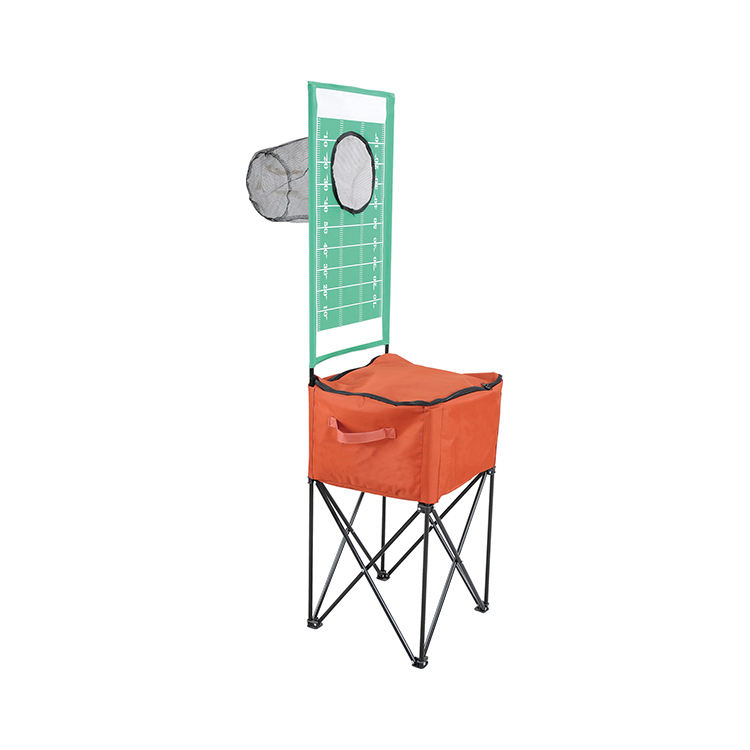
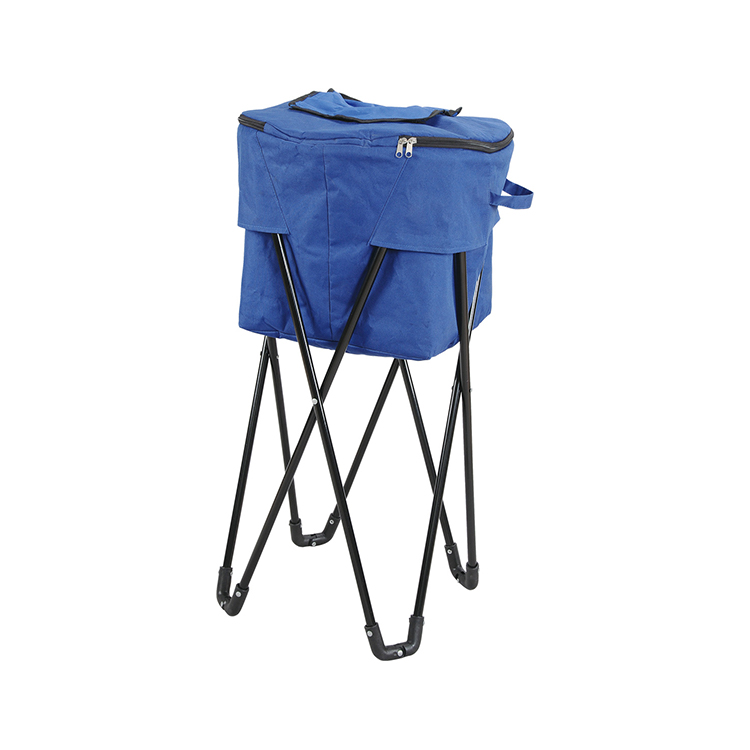
Are Folding Standing Coolers easy to carry and store?
Folding standing coolers use a collapsible frame and flexible fabric walls, which change both carrying and storage characteristics compared to rigid coolers. For carrying, a folding standing cooler weighs 3 to 6 pounds when empty, compared to 8 to 15 pounds for a rigid cooler of similar capacity. The weight reduction comes from the absence of a thick plastic shell and dense insulation. However, the carrying experience differs. A rigid cooler has a fixed handle position and a solid structure that holds its shape. A folding cooler’s contents shift the fabric walls, which can unbalance the load. Many folding standing coolers include a shoulder strap or backpack straps to distribute weight across the user’s torso, reducing the perceived load by 30 to 50 percent compared to carrying by a top handle.
For storage, folding standing coolers offer a distinct advantage over rigid models. A rigid cooler measuring 18 by 14 by 14 inches occupies a fixed 3.5 cubic feet of storage space regardless of whether it contains ice or is empty. A folding cooler of the same expanded dimensions collapses to 18 by 14 by 2 to 3 inches, occupying 0.3 to 0.5 cubic feet. This collapsed volume is approximately 10 to 15 percent of the expanded volume.
How to clean and maintain an Outdoor Collapsible Stand-Up Cooler
Cleaning a collapsible stand-up cooler requires attention to the liner material, the drain mechanism, and the folding joints. The following procedures apply to fabric-bodied coolers with welded or seamed liners.
Cleaning after each use. Empty any remaining ice and water through the drain plug. Open the drain plug fully and tilt the cooler forward to allow complete drainage. Residual water left in the bottom promotes bacterial growth and odor within 24 to 48 hours. After draining, rinse the interior with fresh water from a garden hose or faucet. Use a spray nozzle to direct water into the corners and along the seam lines. For routine cleaning without visible stains, this rinse is sufficient. Shake out excess water and leave the cooler fully open in a shaded area for 30 to 60 minutes to air dry.
Deep cleaning for stains or odors. Prepare a solution of warm water and mild dish soap at a ratio of one tablespoon soap per gallon of water. Do not use bleach, chlorine-based cleaners, or abrasive powders, as these degrade welded seams and damage waterproof liners. Apply the solution to a soft sponge or cloth. Wipe the entire interior surface, paying attention to the bottom corners where spilled liquids accumulate. For stubborn stains, allow the solution to sit on the affected area for five minutes before wiping. Rinse thoroughly with fresh water until no soap bubbles remain. Soap residue attracts dirt and can impart a bitter taste to beverages stored in contact with the liner.
What is the capacity of an Outdoor Collapsible Stand-Up Cooler?
1. Nominal capacity ratings and measurement methods. Manufacturers list the capacity of collapsible stand-up coolers in quarts, liters, or can counts. A quart rating of 30 quarts corresponds to approximately 28.4 liters. The can count rating assumes standard 12-ounce beverage cans with dimensions of 4.83 inches tall by 2.6 inches in diameter. A 30-quart cooler is typically rated to hold 30 to 36 cans without ice. With ice at a ratio of 2:1 (two parts ice to one part cans by volume), the same cooler holds 10 to 12 cans plus ice. Capacity ratings are measured with the cooler fully expanded and the interior dimensions at their maximum.
2. Common capacity ranges and their applications. Collapsible stand-up coolers are manufactured in three capacity categories. Small coolers of 15 to 20 quarts (12 to 18 can capacity without ice) suit a single person for a day trip. Medium coolers of 25 to 35 quarts (24 to 36 can capacity) suit two to three people for a beach day or picnic. Large coolers of 40 to 50 quarts (48 to 60 can capacity) suit family outings of four to six people. Very large collapsible coolers over 50 quarts are less common because the fabric walls become difficult to stabilize when fully loaded. A 50-quart cooler filled with ice and beverages weighs approximately 50 to 60 pounds, and the flexible walls may bulge outward, making the cooler difficult to carry.
3. Factors that reduce effective capacity. The stated capacity of a collapsible cooler is not fully usable under real conditions. The flexible walls bow outward when filled, which reduces the vertical interior height by 1 to 2 inches. Items placed near the top may contact the zipper or closure mechanism, preventing full closure. For soft-sided collapsible coolers without a rigid frame, the bottom panel may sag under the weight of ice, reducing the usable depth by 15 to 20 percent. To achieve the stated capacity, users must pack items uniformly and avoid overfilling.