

 русский
  Español
  Deutsch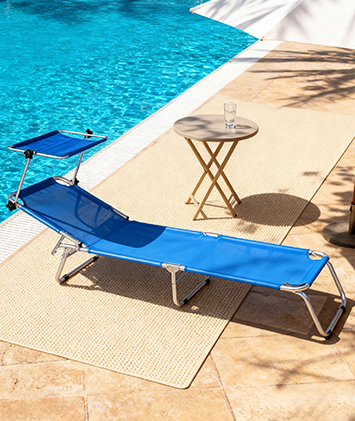
How to Choose a Camping Bed: Factors for Comfort, Portability, and Durability
Structural Design and Load-Bearing Capacity
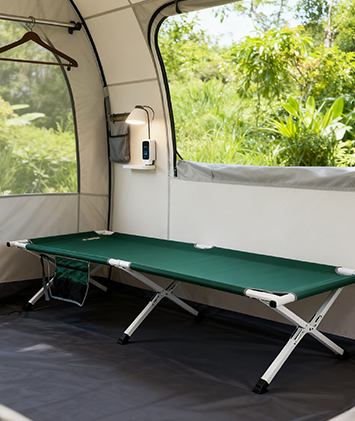
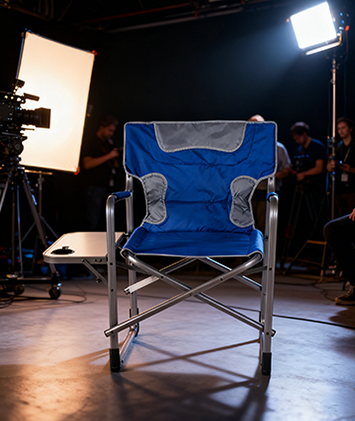
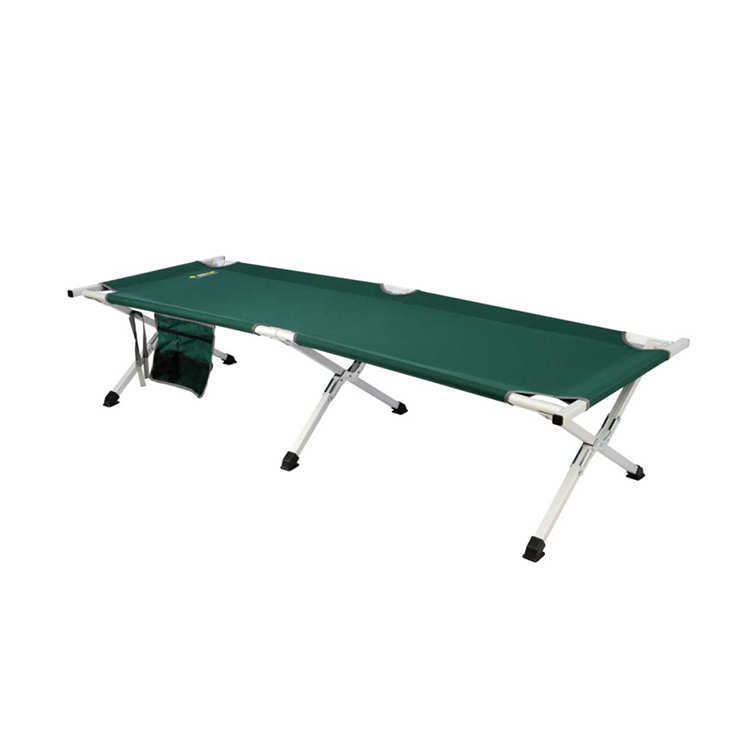
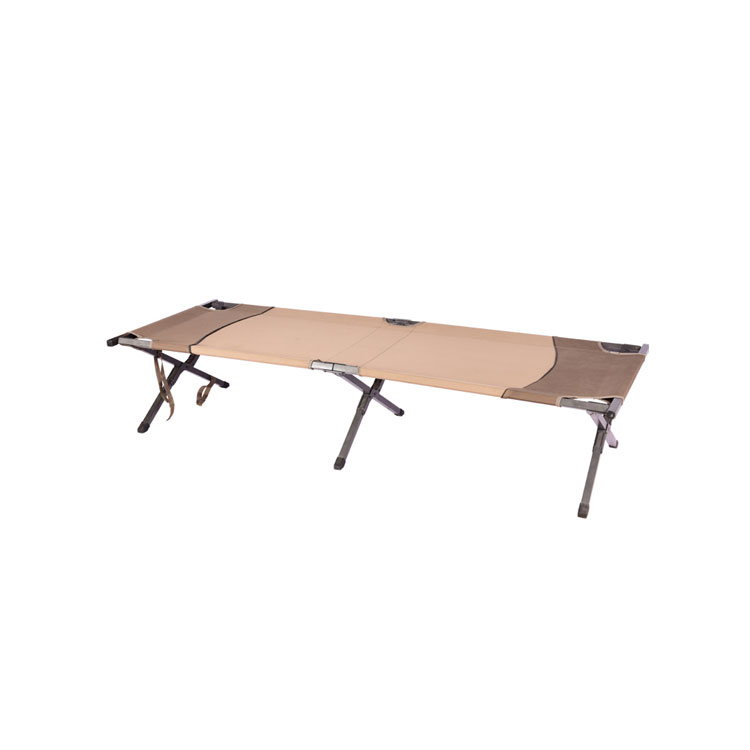
When choosing a camping bed, the structural framework plays a central role in determining stability and safety. Many camping beds use either aluminum or steel frames. Aluminum offers a lighter weight and resistance to corrosion, while steel provides higher load-bearing capacity. It is important to check the maximum weight rating and ensure that the frame joints are reinforced. Cross-support bars and anti-slip feet contribute to improved stability on uneven ground.
Material Selection and Fabric Performance
The fabric used in a camping bed affects both comfort and durability. Polyester and Oxford cloth are commonly used due to their resistance to wear and ease of cleaning. Breathable mesh sections can help improve airflow, which is beneficial in warm climates. In addition, the fabric should be tightly stretched across the frame to prevent sagging during use. Double-layer fabrics may offer increased strength but can add to overall weight.
Portability and Folding Mechanism
Portability is a key consideration for outdoor equipment. A camping bed should have a compact folding design that allows for easy transport and storage. Models with integrated folding systems require less setup time, while detachable designs may offer more flexibility but involve additional assembly steps. Carrying bags or straps can make transportation more convenient, especially for longer distances.
Size and Ergonomic Comfort
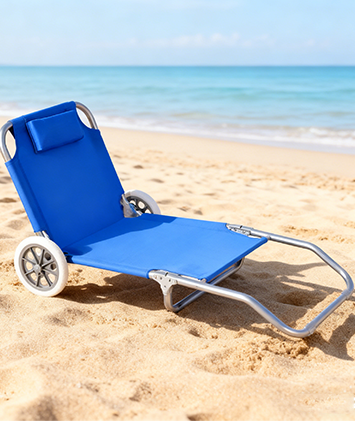
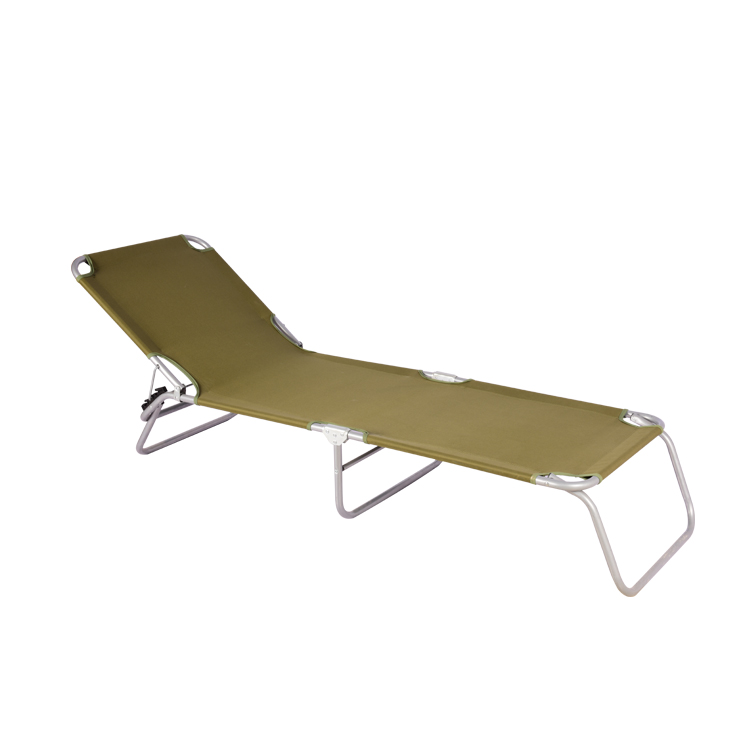
The dimensions of the camping bed should match the user's height and sleeping preferences. Wider and longer beds provide more comfort but may reduce portability. Adjustable headrests or reclining sections can enhance usability in different situations, such as resting, reading, or sleeping. Proper height from the ground also helps with insulation and ease of getting in and out of the bed.
Folding Camping Bed: Performance in Different Environmental Conditions
|
Environment Condition |
Frame Performance |
Fabric Behavior |
Durability Considerations |
User Experience |
|
Humid Conditions |
Aluminum frames resist rust; steel requires coating |
Fabric may absorb moisture if not treated |
Anti-corrosion coatings are necessary |
May feel damp without breathable materials |
|
High Temperature |
Metal frames remain stable but may heat up |
Breathable mesh improves comfort |
UV-resistant fabric prevents degradation |
Ventilation becomes important for comfort |
|
Low Temperature |
Metal frames may feel cold to touch |
Fabric can stiffen slightly |
Cold-resistant materials reduce brittleness |
Insulation layers may be needed |
|
Coastal/Sandy Areas |
Corrosion resistance is essential |
Sand may accumulate in fabric folds |
Reinforced joints reduce wear from particles |
Easy cleaning improves usability |
Folding camping beds are designed to adapt to a variety of outdoor environments, but their performance depends heavily on material quality and design features. In humid environments, moisture resistance becomes a priority. Aluminum frames perform well due to their natural corrosion resistance, while steel frames require protective coatings. Fabrics that dry quickly and resist mildew are preferable in such conditions.
In high-temperature environments, heat retention can affect comfort. Breathable mesh fabrics improve airflow and reduce heat buildup. UV-resistant materials help maintain the integrity of the fabric over time. In contrast, low-temperature environments present challenges such as material stiffness and reduced flexibility. Selecting fabrics designed for cold resistance can improve usability.
Coastal or sandy environments introduce additional wear factors. Fine particles can accumulate in joints and fabric seams, potentially affecting folding mechanisms. Regular cleaning and maintenance help maintain performance. Overall, selecting a folding camping bed suited to expected environmental conditions can improve both longevity and comfort.
Adjustable Camping Bed: How Can You Use It Effectively in Different Situations?
- Adjust the backrest angle gradually to find a comfortable position for sitting or lying down
- Use intermediate reclining positions for activities such as reading or relaxing
- Ensure locking mechanisms are fully engaged before applying weight
- Place the bed on stable ground to prevent imbalance when adjusting angles
- Avoid frequent abrupt adjustments, which may strain the joints
- Use additional cushions if extended sitting is required
- Adjust the height or incline based on terrain for improved comfort
- Follow manufacturer guidelines for maximum load during adjustment
- When used for sleeping, set the bed to a flat position to distribute body weight evenly
- Check alignment periodically to ensure consistent support
Adjustable Camping Bed: What Are the Better Maintenance Practices for Long-Term Use?
- Clean the fabric regularly to remove dirt, sand, and moisture buildup
- Dry the bed completely before folding to prevent mold or corrosion
- Inspect joints and hinges for signs of wear or looseness
- Apply lubricant to moving parts if folding becomes difficult
- Store the bed in a dry, shaded area to reduce material degradation
- Avoid exceeding the recommended weight capacity to prevent structural damage
- Tighten screws or connectors periodically to maintain stability
- Protect the bed from prolonged exposure to direct sunlight when not in use
- Use protective covers during transport to reduce abrasion
- Replace worn fabric or damaged components to extend product lifespan