

 русский
  Español
  Deutsch
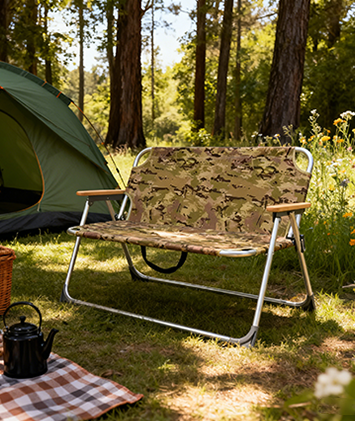
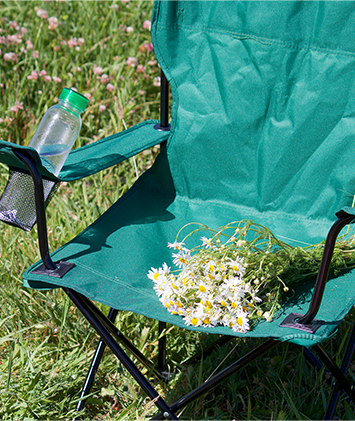
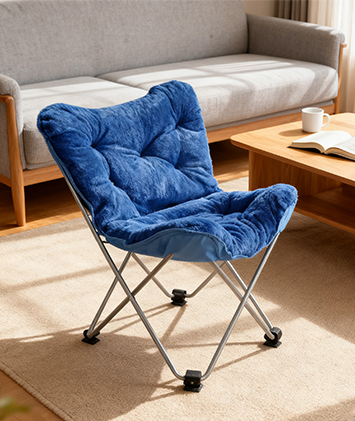
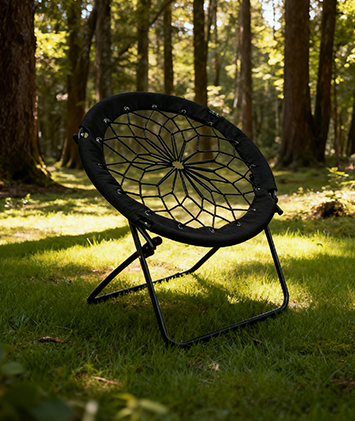
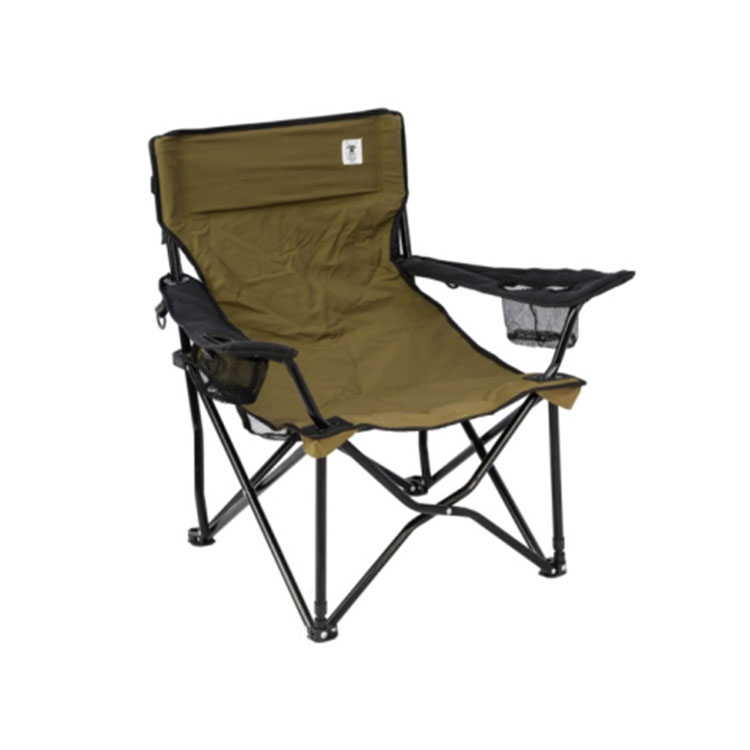
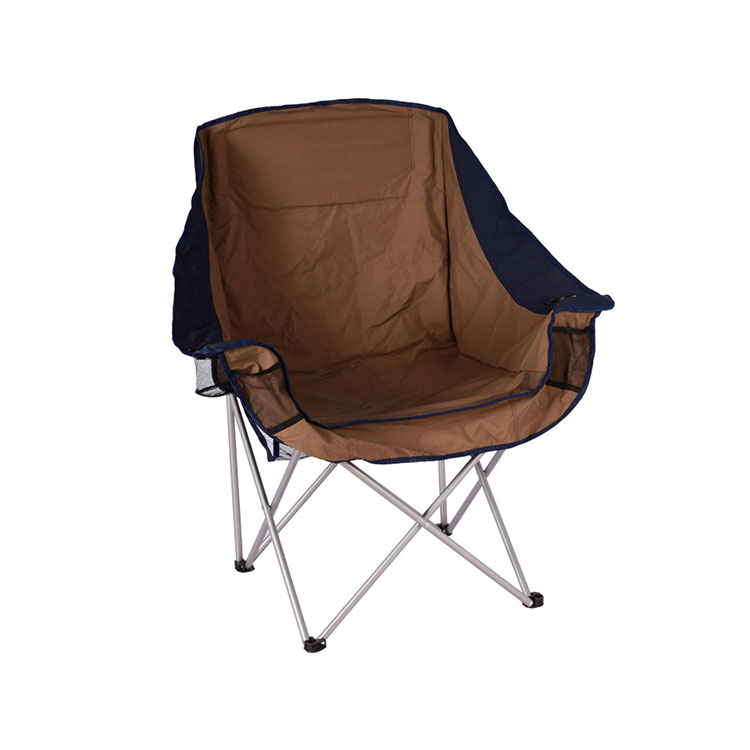
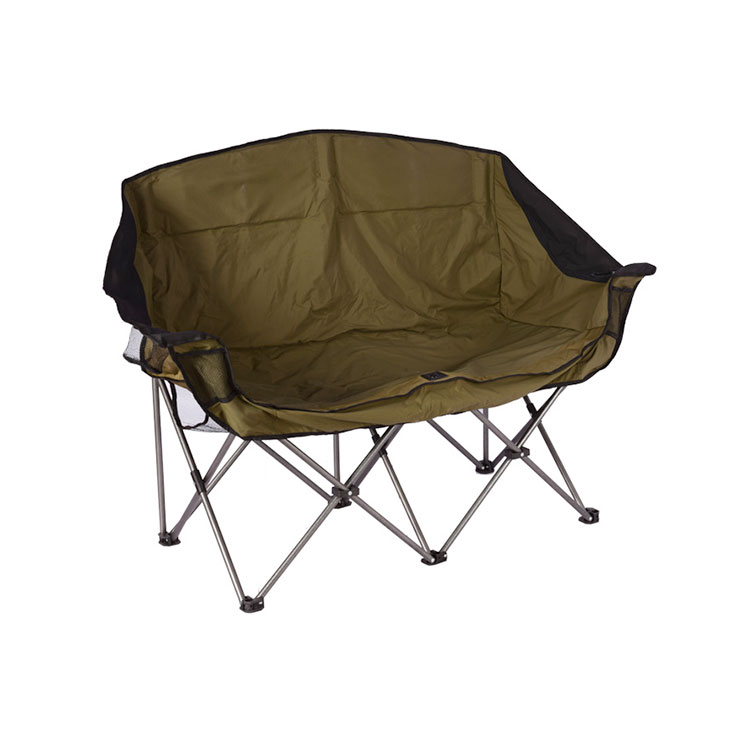
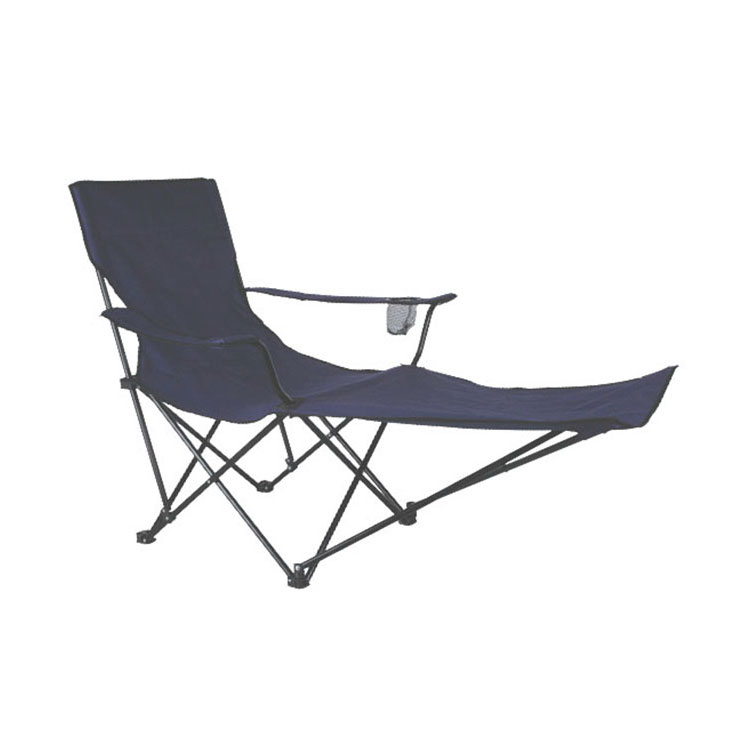
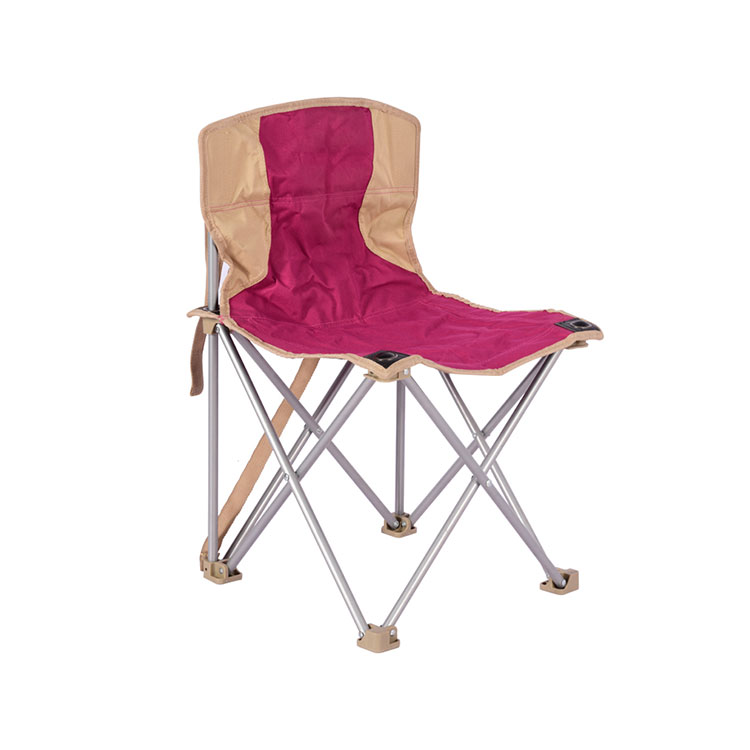
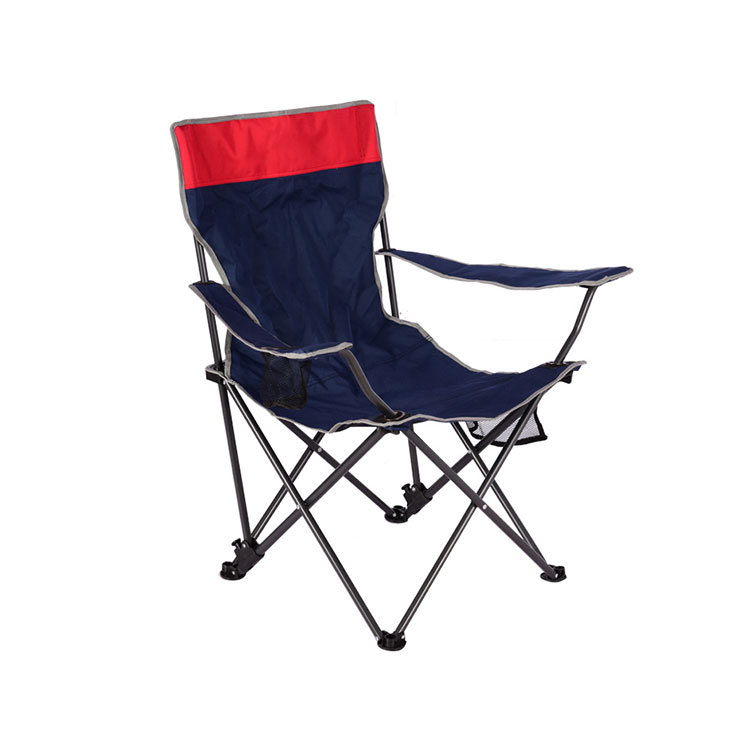
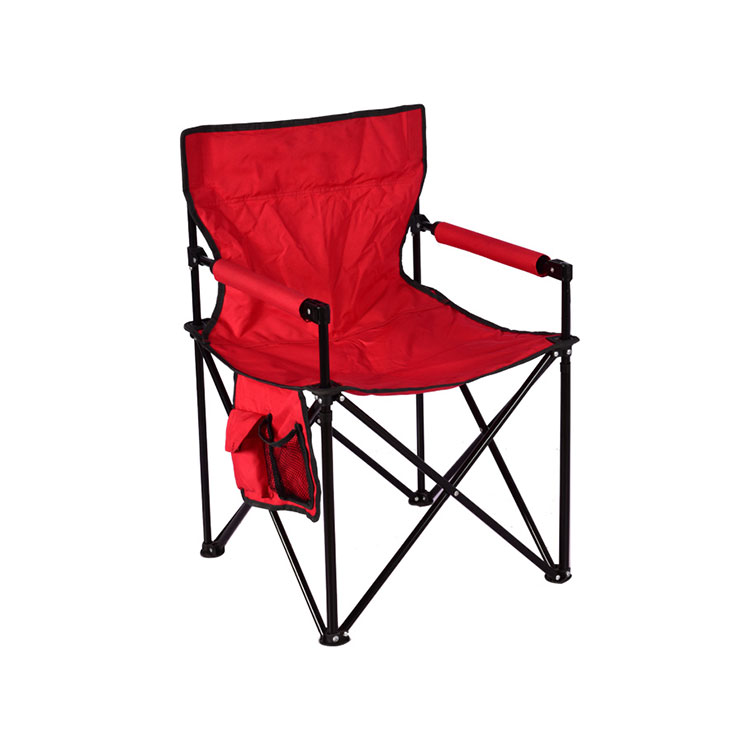
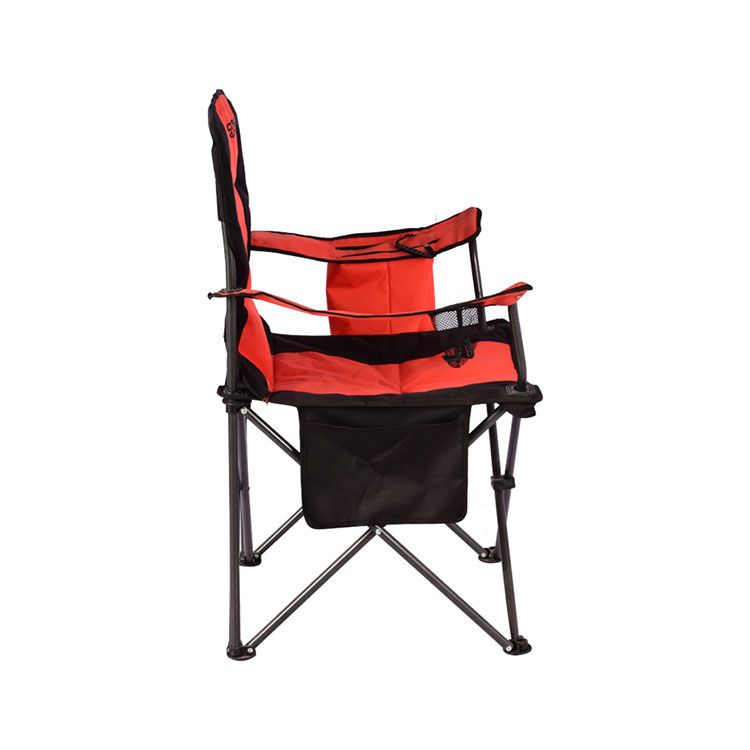
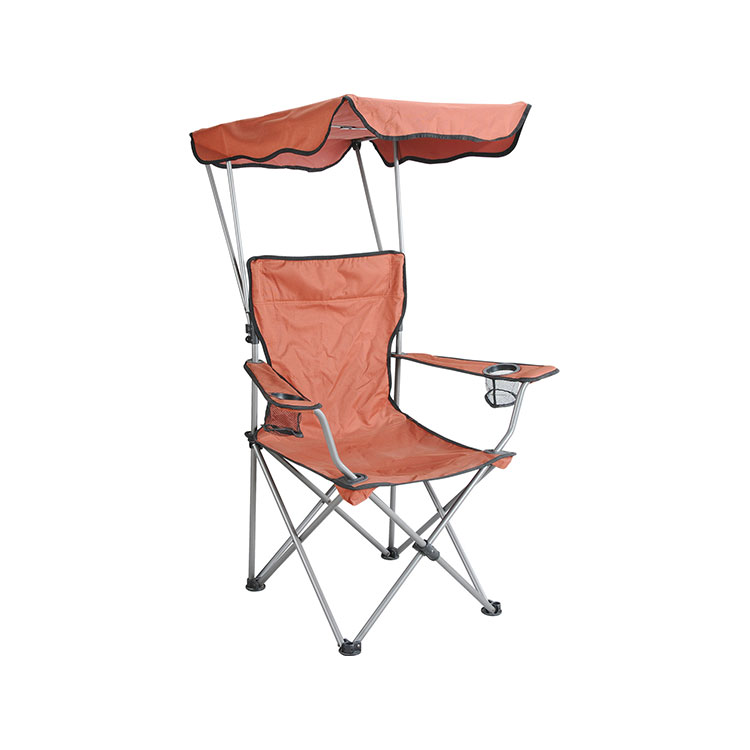
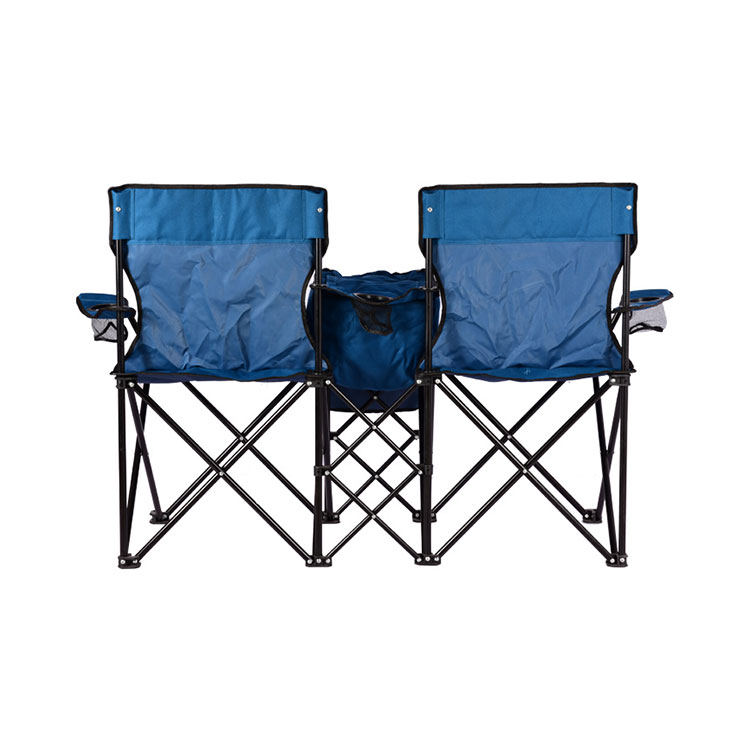
What Folding Camping Chairs are suitable for extended outdoor activities?
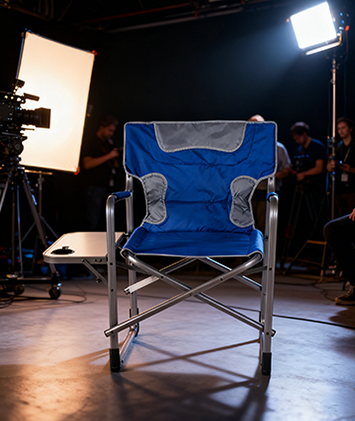
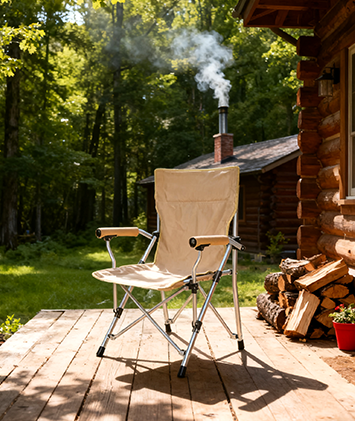
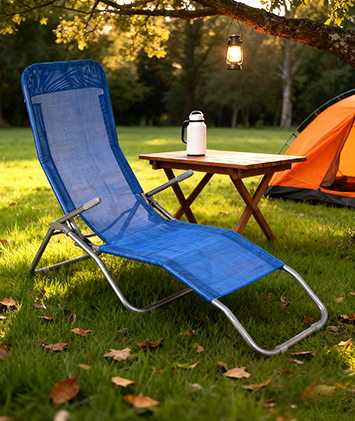
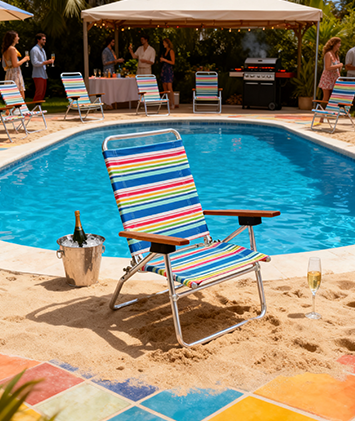
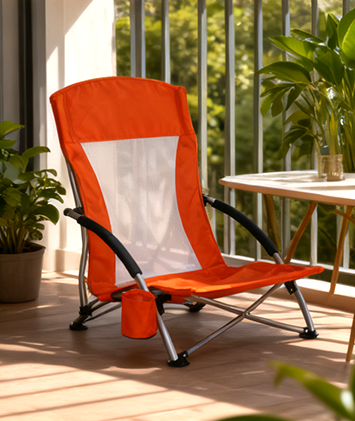
Folding camping chairs suitable for extended outdoor activities typically have a stable frame and comfortable seating surface. Chairs with aluminum or steel frames are preferred due to their strength and durability. Seats made from breathable fabrics such as polyester or mesh provide airflow, reducing discomfort during long periods of sitting. Adjustable backrests allow users to change positions, supporting different resting or activity needs. Armrests, cup holders, or small storage pouches are practical for keeping personal items within reach. A chair with a moderate weight and compact folding design is easier to carry and store, making it suitable for camping, fishing, or outdoor gatherings.
How does the weight of a Folding Camping Chair affect outdoor travel?
The weight of a folding camping chair significantly influences outdoor travel convenience. Lightweight chairs, usually made with aluminum frames, are easier to carry over long distances, making them suitable for hiking, backpacking, or beach trips. They can be quickly loaded into vehicles or backpacks without adding excessive strain. Heavier chairs, often made with steel frames or thicker padding, provide increased stability and support but may be more cumbersome to transport. Carrying heavier chairs can become tiring over time, especially when traveling on uneven terrain. Some chairs include carrying straps or bags to distribute weight more evenly and improve portability. Users should balance the need for stability, comfort, and load-bearing capacity against the practical limitations of carrying the chair during travel.
What type of Folding Camping Chair material should I choose?
Selecting the right material for a folding camping chair affects durability, comfort, and suitability for outdoor use. Common considerations include:
- Frame material: Aluminum is lightweight and resistant to corrosion, making it ideal for travel and humid conditions. Steel frames offer higher load capacity but are heavier and may require protective coatings to prevent rust.
- Fabric material: Polyester is widely used for its strength, abrasion resistance, and ease of cleaning. Oxford cloth is durable and slightly thicker, offering extra support. Mesh fabrics provide ventilation, which is useful in hot weather but may reduce warmth in cooler conditions.
- Padding: Some chairs include foam or removable cushions to enhance comfort. While padding increases weight, it can make extended use more comfortable.
- Joints and hinges: Strong metal or reinforced plastic components improve folding mechanisms' reliability and longevity. Materials that resist bending or cracking help maintain proper function over time.
- Coatings and finishes: Powder-coated frames or water-resistant fabrics enhance protection against environmental exposure. These coatings reduce corrosion, fading, and fabric wear, prolonging the chair's usability.
What should I consider when choosing an Outdoor Camping Chair?
1. Frame stability and construction: The frame must support the intended weight and remain stable on uneven surfaces. Reinforced joints and cross-braced designs are important for preventing tipping.
2. Seat comfort and fabric durability: Choose fabrics that are strong, breathable, and resistant to wear. Stretch tension should be uniform to prevent sagging, and removable cushions may improve comfort.
3. Portability and weight: Chairs should fold compactly and be easy to carry. Lighter materials are useful for hiking or backpacking, while heavier frames provide more stability for stationary use.
4. Additional features: Consider built-in armrests, cup holders, storage pouches, or adjustable reclining angles. These features increase convenience for outdoor activities without significantly increasing weight.
5. Environmental suitability: Materials should resist moisture, sun exposure, and abrasion from sand or rough terrain. Chairs intended for coastal or humid areas benefit from corrosion-resistant frames and quick-drying fabrics.
6. Maintenance and care: Choose chairs that are easy to clean, fold, and store. Inspect moving parts and fabrics regularly to maintain functionality. Proper maintenance extends the life of the chair and ensures reliable outdoor use.