


 русский
  Español
  Deutsch
Do Cup Holders Affect Folding Camp Chair Stability
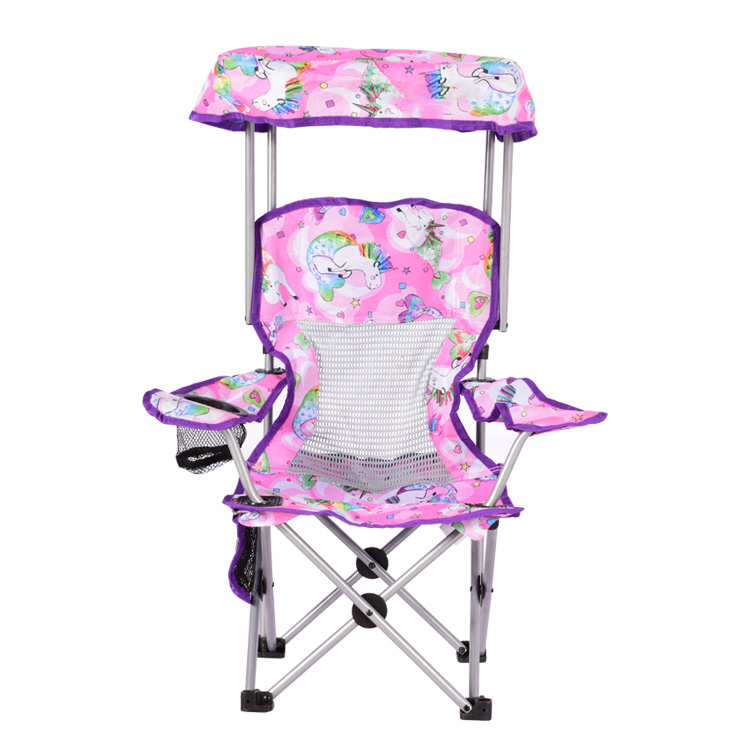
Folding seating gear has evolved quickly, especially models designed for camping, tailgating, and beach trips. A Folding Camp Chair with Cup Holder often appears more convenient at first glance, yet user discussions and field feedback show a recurring concern: small add-on features sometimes influence overall balance more than expected.
Cup holders look like a minor accessory, but their placement, load interaction, and frame integration can subtly shift how a chair behaves under weight and movement. Stability issues rarely come from the cup holder alone; instead, they come from how that feature changes structural stress distribution and user posture.
Load Distribution Changes Caused by Cup Holders
Side-loading imbalance during use
Cup holders are typically attached to one armrest, meaning weight is no longer evenly distributed across both sides. Even a standard 500 ml drink adds localized load, creating a slight tilt moment on the supporting frame.
This effect becomes more noticeable on lightweight aluminum frames where armrest joints also serve as structural supports.
Dynamic movement impact
Small shifts such as reaching for a drink or placing it back into the holder create brief asymmetric forces. These repeated micro-movements can gradually loosen tension points in fabric seating or stress stitching near arm supports.
Structural Integration Quality
Built-in vs. add-on cup holder designs
Two main design categories exist:
- Integrated molded holders connected to the arm frame
- Fabric or mesh add-on holders stitched to side panels
Integrated designs generally distribute force more evenly through the frame. Add-on versions rely heavily on fabric tension, which may stretch over time and slightly alter chair geometry.
Armrest rigidity influence
Cup holders attached to flexible armrests can amplify wobble. When armrests flex outward under load, the seating surface may shift, creating a sensation of reduced stability even if the frame remains intact.
Seating Geometry and Balance Behavior
Recline angle interaction
Many folding chairs use a slight recline for comfort. When a drink is placed on one side, the recline angle can enhance the sideways torque effect. This is especially noticeable in deeper lounge-style seating where the center of mass sits farther behind the base frame.
Seat sag and fabric tension loss
Fabric seats tend to stretch over time, creating a sagging pocket. Once sag develops, additional side weight from a cup holder can exaggerate uneven load distribution, pulling the user slightly off-center.
A common observation from outdoor users is that prolonged use increases this imbalance effect, particularly in budget models with thinner polyester fabric.
Technical Comparison Table
| Feature | Basic Folding Chair (No Cup Holder) | Folding Camp Chair with Cup Holder | Stability Impact |
| Side Load Distribution | Even | Asymmetric due to holder | Slight tilt tendency |
| Armrest Stress | Balanced | Concentrated on one side | Higher wear on one arm |
| Frame Flex Response | Uniform | Localized flex near holder | Uneven response |
| User Movement Impact | Minimal disruption | Frequent micro-tilt shifts | Noticeable in lightweight models |
| Long-Term Fabric Behavior | Even stretch | Uneven tension near side panel | Accelerated asymmetry |
Material and Engineering Factors
Aluminum frame sensitivity
Lightweight aluminum frames prioritize portability. However, reduced cross-bracing means small imbalances from cup holders can become more noticeable during movement or repositioning.
Steel frame stability advantage
Heavier steel frames distribute stress more evenly across joints. Even with side-mounted accessories, structural rigidity reduces visible wobble and improves perceived stability.
Stitching reinforcement zones
Cup holder integration points often coincide with high-stress stitching zones. Reinforced bar-tack stitching improves durability, while basic single-line stitching may loosen under repeated loading cycles.
Terrain Influence on Perceived Stability
Soft sand environments
On beaches, uneven ground amplifies any imbalance caused by side loading. A drink placed on one side may slightly shift the chair’s center of gravity, increasing sink depth on that side.
Uneven grass or gravel
Small rocks or bumps under one leg can interact with cup holder weight, creating diagonal stress across the frame. This is often perceived as “wobble,” even though the chair remains structurally intact.
Design Intent vs Real Usage
Convenience-driven engineering trade-offs
Cup holders are designed primarily for usability rather than structural neutrality. Designers aim to improve user experience during leisure activities, sometimes accepting minor balance compromises in exchange for practicality.
User posture adaptation
Many users unconsciously lean toward the opposite side of the cup holder, partially compensating for imbalance. This behavior reduces perceived instability but increases long-term uneven fabric wear.
Common Stability Complaints from Field Use
Observed patterns across outdoor usage discussions include:
- Slight leaning sensation after placing drinks repeatedly in one holder
- Increased wobble on lightweight chairs with wide armrests
- Fabric stretching more on the side with cup holder attachment
- Noticeable imbalance during seat entry and exit motions
- Better stability once cup holder is empty or unused
These effects are typically mild but become more noticeable in ultralight or budget folding designs.
Engineering Improvements That Reduce Instability
Dual-side balance design
Some modern chairs include cup holders on both armrests, which helps neutralize lateral load differences and maintain equilibrium.
Lower mounting position
Placing the holder closer to the frame base reduces torque impact compared to higher armrest-mounted designs.
Reinforced cross-frame support
Adding cross-bracing under the seat helps counteract side-loading forces, especially in chairs intended for beach or camping environments.
A cup holder does not directly destabilize a folding chair, but it introduces asymmetry into a system that relies on balanced force distribution. In lightweight outdoor chairs, even small asymmetries become noticeable due to reduced structural mass and flexible joints.
Design quality, frame material, and ground conditions collectively determine whether the effect is barely perceptible or clearly noticeable during everyday use.

-
-
 TEL:
TEL:
- +86-13738961469
-
-
-
 EMAIL:
- cnds@cndsgm.com
-
-
-
 ADDRESS:
- Niubei Jincun, Baiyang Sub-district, Wuyi County, Jinhua City, Zhejiang Province, China
-
Outdoor Leisure Products Manufacturer

