

 русский
  Español
  Deutsch

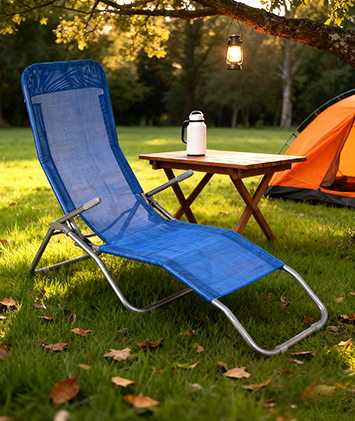
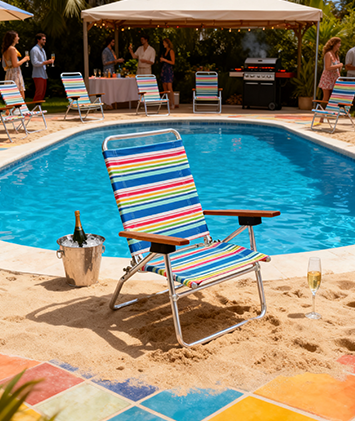
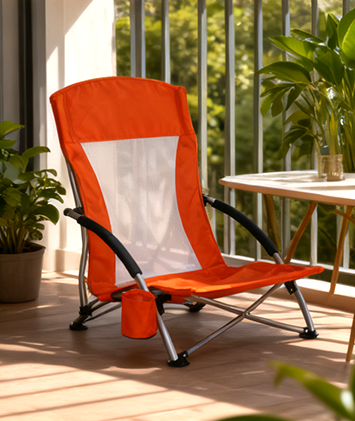
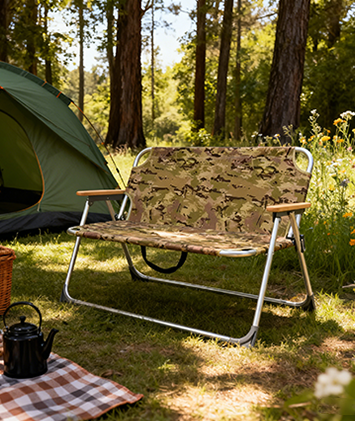

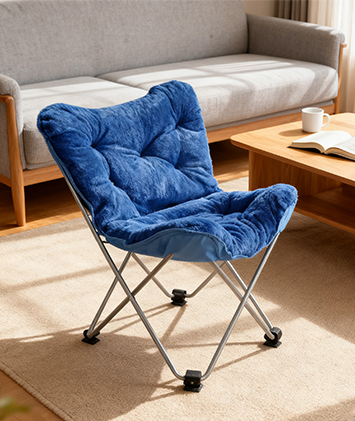
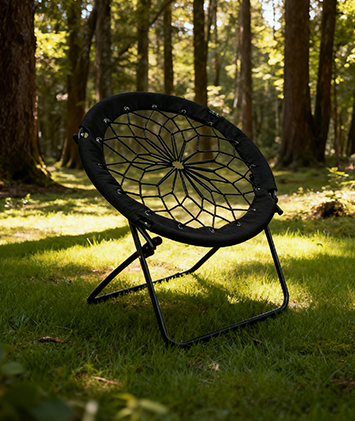
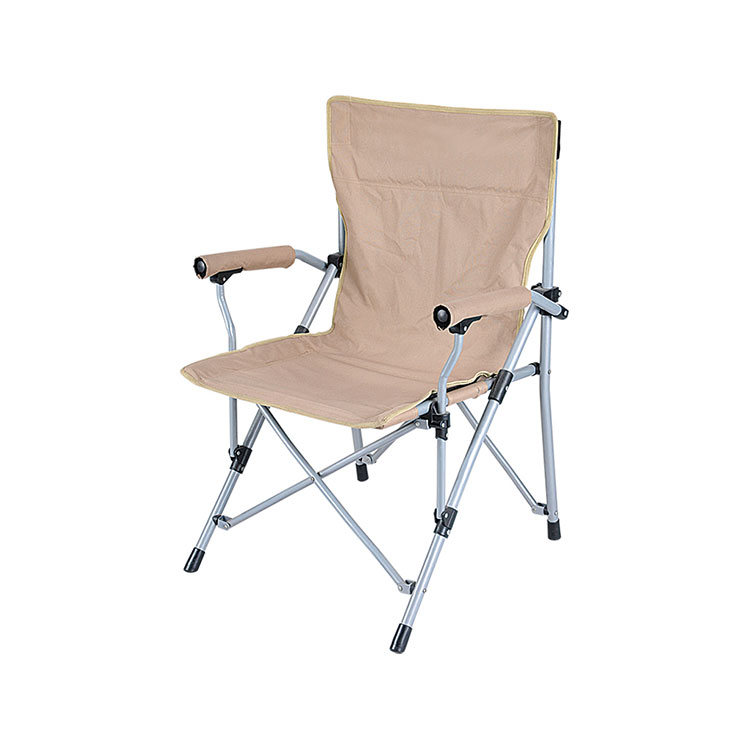
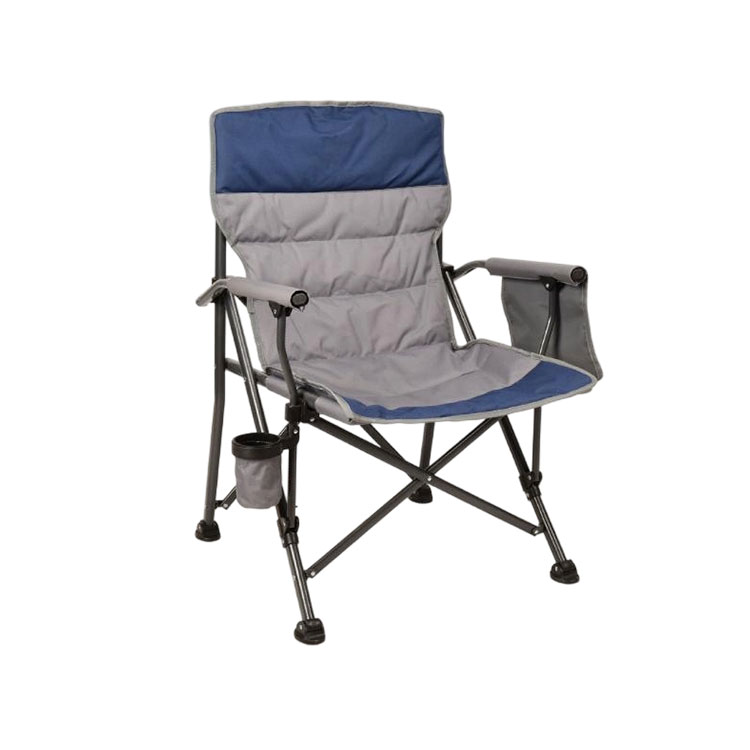
What materials are used in Hard Armrest Chairs? Which type is suitable for home use?
Hard armrest chairs are constructed from several material categories, each offering distinct properties.
- Solid Wood (Oak, Beech, Birch, Teak): Provides structural rigidity and natural grain patterns. Suitable for home use in living rooms, dining areas, or covered patios. Requires periodic sealing or oiling to prevent cracking in dry indoor air.
- Plywood with Veneer: Lighter than solid wood. Often used in folding chairs where weight reduction is beneficial. Suitable for infrequent home use, such as extra seating for guests.
- Aluminum (Cast or Extruded): Resists rust and weighs less than wood. Suitable for indoor or outdoor home use, particularly in humid environments like bathrooms or sunrooms.
- Injection-Molded Polypropylene: Forms a single-piece shell including armrests. Suitable for kitchens, home offices, or children's rooms due to ease of cleaning. Not suitable for homes where a traditional aesthetic is desired.
What are the design trends for Hard Armrest Chairs? What are the highlights of their styles?
Current design trends in hard armrest chairs reflect changes in manufacturing capabilities and user preferences.
- Thin-Profile Frames: Manufacturers reduce the thickness of armrests from 2 inches to 0.75 inches or less. This change creates a lighter visual appearance. The highlight is that the chair occupies less visual space in small rooms while maintaining structural strength through ribbed or contoured shapes.
- Mixed Material Construction: A single chair combines wood armrests with a polypropylene seat shell, or aluminum armrests with a woven fabric back. The highlight is that each component uses the material for its function: hard, durable material for the armrest and flexible, breathable material for the back.
- Monochrome and Earth Tone Colors: Black, white, gray, beige, and olive green dominate new releases. The highlight is that these colors coordinate with existing furniture across multiple interior styles, reducing the need to replace chairs when redecorating.
- Integrated Handle Cutouts: A gap or opening is molded into the armrest near the front. The highlight is that the user can grip this cutout to lift or reposition the chair without touching the seat or back, which is useful for folding chairs.
How comfortable are Hard Arm Folding Chairs? What factors affect their comfort?
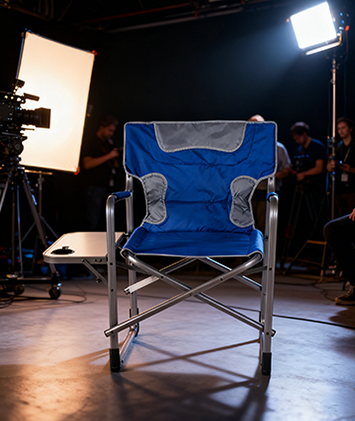
Comfort in hard arm folding chairs varies significantly based on design parameters. Unlike padded chairs, hard arm chairs do not conform to the user's body. Instead, comfort depends on how well the chair's fixed dimensions match the user's anthropometric measurements.
- Armrest Height Relative to Seat: The vertical distance from the seat surface to the top of the armrest should be 7 to 9 inches for adults of average stature (5 feet 6 inches to 6 feet). When this distance is too short (under 6 inches), the user's shoulders elevate to rest arms on the surface, causing trapezius muscle fatigue. When too long (over 10 inches), the user cannot rest their forearms without leaning sideways. Comfort decreases by approximately 30 percent for each inch of deviation from the range.
- Armrest Width and Surface Shape: Flat armrests that measure 2.5 to 3.5 inches across provide adequate support for the ulna bone (the outer forearm bone). Armrests narrower than 2 inches concentrate pressure on a small area, leading to discomfort within 20 to 30 minutes of use. Armrests with a slightly concave or cushioned surface distribute pressure more evenly. Sharp edges on the underside of the armrest contact the user's thighs when standing up, which produces localized pain.
What are the safety standards for Folding & Portable Chairs? What factors should be considered when purchasing them?
Safety standards for folding and portable chairs exist to prevent collapse, pinch injuries, and structural failure. Different regions enforce specific testing protocols.
- ANSI/BIFMA X5.1 (United States): This standard applies to general-purpose office and residential seating. Testing includes a stability test where a 125-pound weight is applied to the front edge of the seat while the chair is unfolded. The chair must not tip forward. Another test applies a 225-pound load to the seat for 60 minutes while measuring permanent deformation. Purchasers should look for a label stating compliance with the current version (X5.1-2017 or later).
- EN 16139 (Europe): This standard specifies strength and durability requirements for non-domestic seating. A cyclic test applies a force of 1,000 newtons (approximately 225 pounds) to the seat 100,000 times. The chair must show no cracks or loosening of joints. For home use, EN 12520 applies specifically to domestic seating. The presence of a CE mark indicates that the chair meets relevant EU standards, though the specific standard number should be listed on the product documentation.
- ASTM F2613 (United States): This standard specifically addresses folding chairs used by children. It requires a locking mechanism that prevents unintended folding when a child sits or climbs on the chair. Testing applies a vertical load to the seat while a secondary mechanism attempts to release the lock. Purchasers with children in the household should verify that the chair meets this standard regardless of whether it is marketed as a child's chair.