

 русский
  Español
  Deutsch
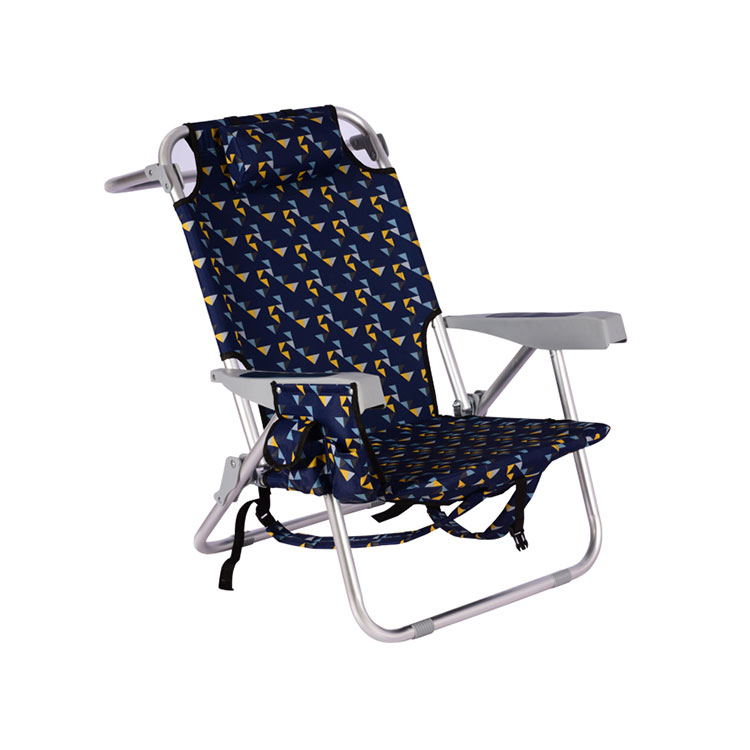
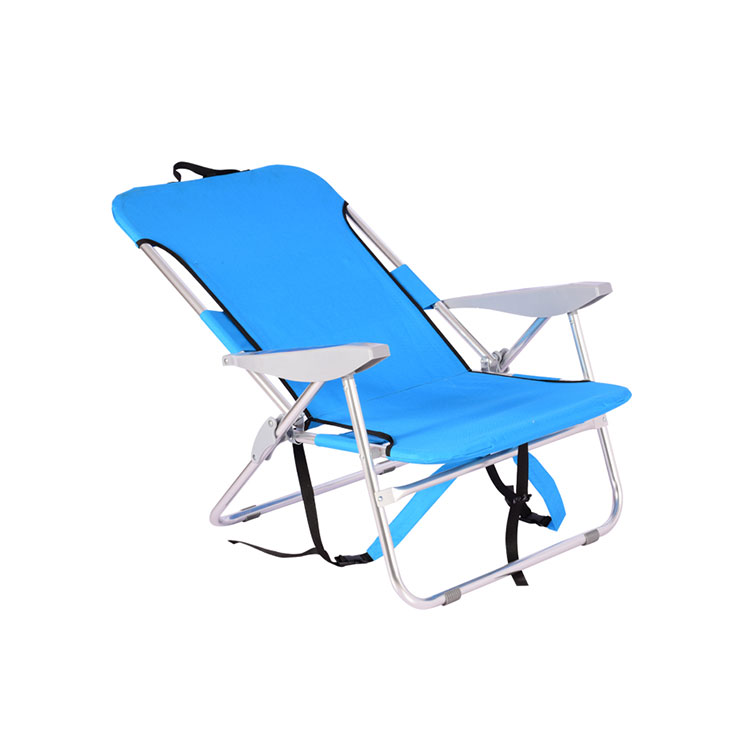
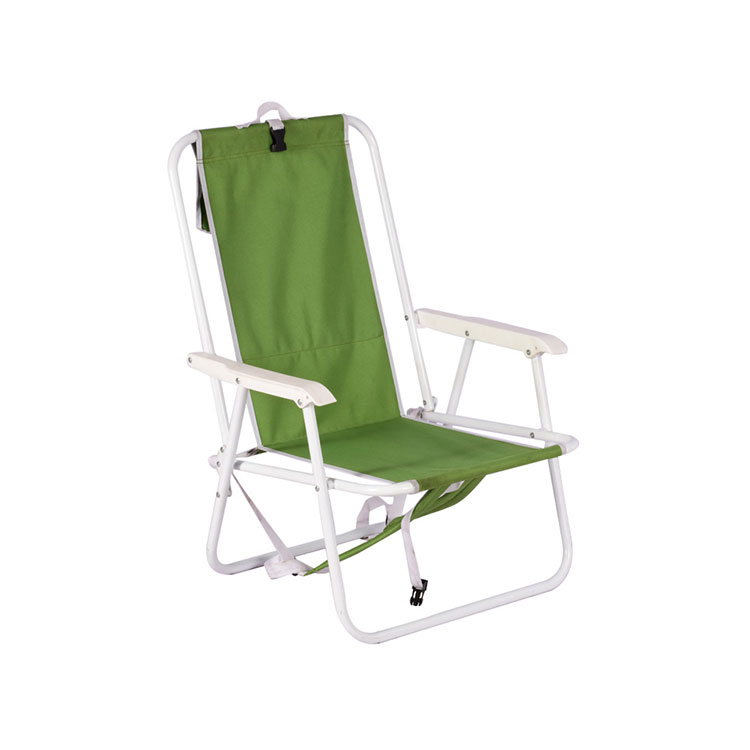
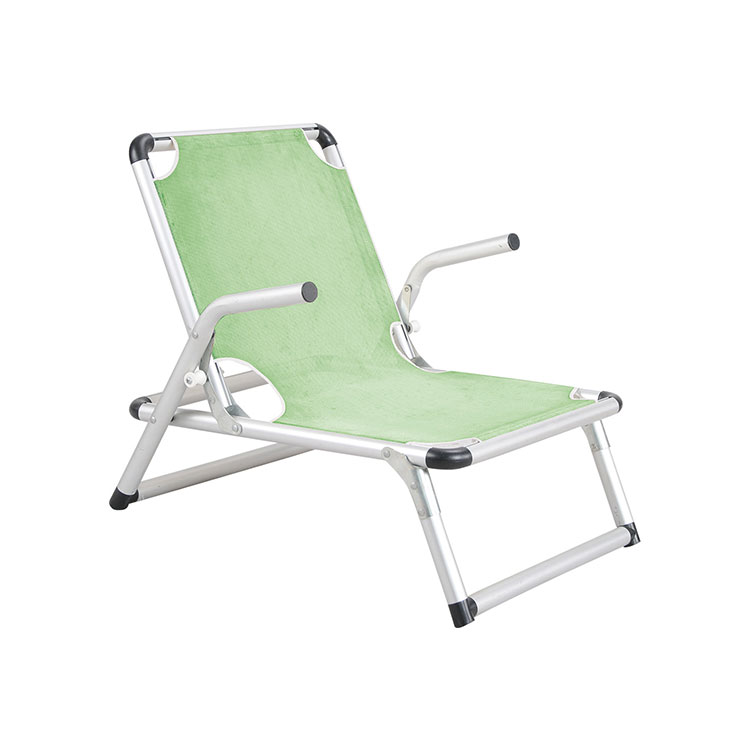
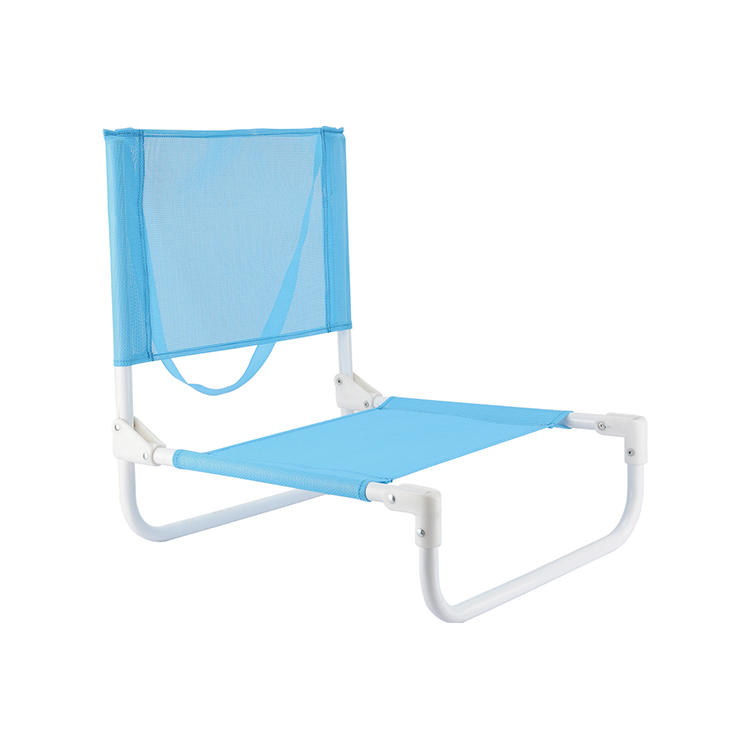
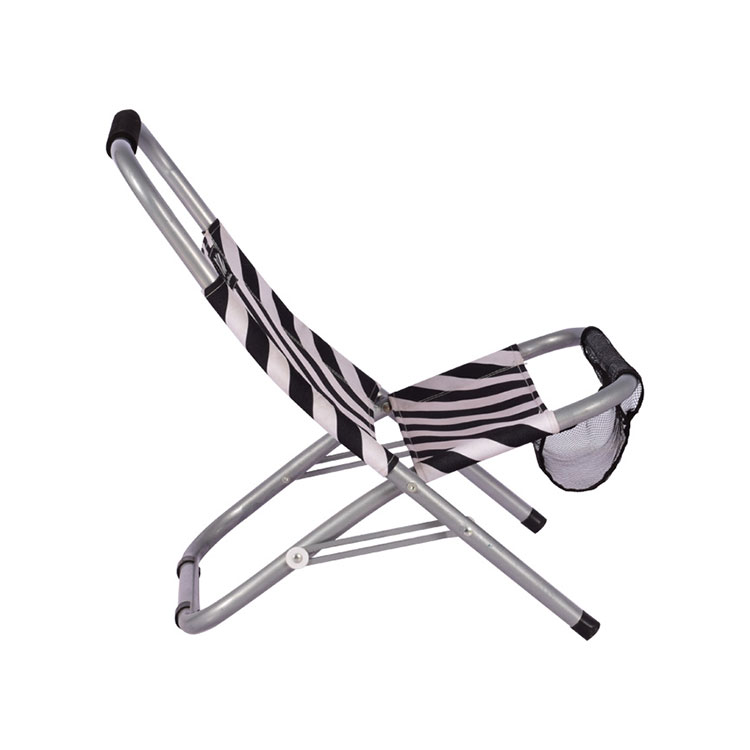
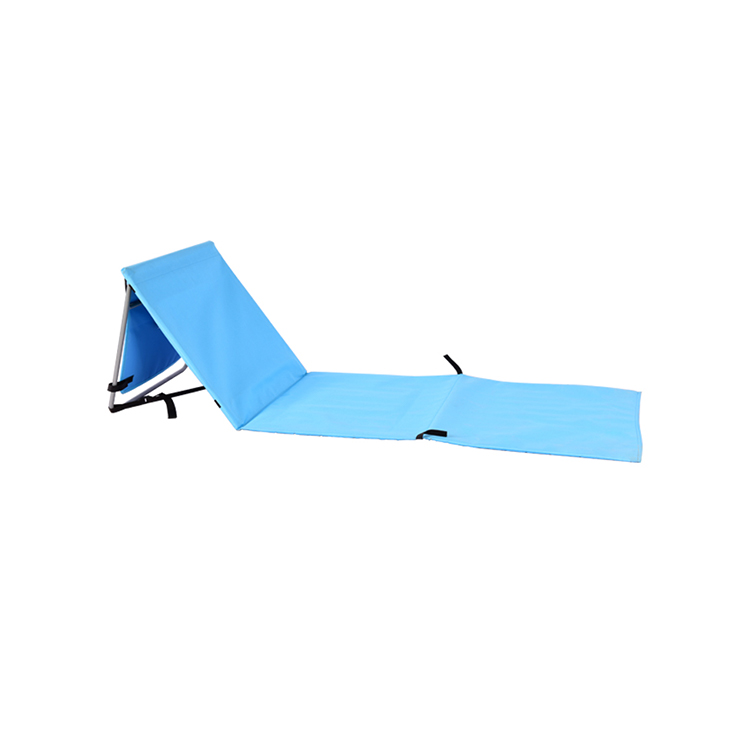
How does a Folding Beach Chair enhance the outdoor experience?
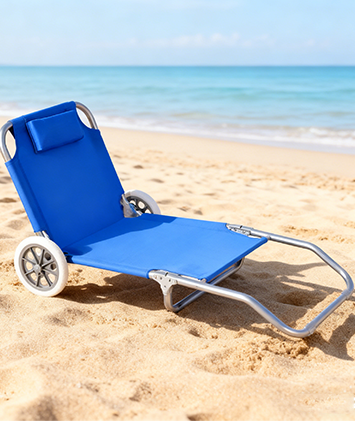
A folding beach chair modifies the beach-going experience by altering the user's position relative to the ground, wind, and sun. Sitting at a height of 8 to 12 inches above the sand changes several physical interactions with the environment.
|
Enhancement Category |
Mechanism of Action |
Observed Effect on User |
|
Thermal Regulation |
Elevates the body above sand surface temperature. Sand at midday reaches 120–140°F (49–60°C); air at chair height is typically 10–15°F cooler. |
Reduces heat transfer from ground to body. Lowers risk of surface-level burns on posterior thighs. |
|
Wind Reduction |
Low-profile chairs (seat height under 6 inches) position the body below the wind gradient. Wind speed at ground level is 40–60 percent lower than at standing height. |
Decreases sand particle impingement on skin and eyes. Allows reading of lightweight materials without securing edges. |
|
View Perspective |
Seat pan angled at 15–25 degrees rearward shifts the horizon line upward in the visual field. |
Provides an unobstructed view of water surface without craning the neck. Reduces glare from wet sand in peripheral vision. |
|
Sand Management |
Fabric mesh or textilene material allows dry sand to pass through. Solid fabric chairs accumulate sand in crevices. |
Reduces the amount of sand transferred from body to vehicle after use. Shortens post-beach cleanup time. |
|
Load Distribution |
Wide feet or sled-style runners spread weight across 40–80 square inches of sand surface. Standard chair legs concentrate weight into 2–4 square inches. |
Prevents leg sinking in dry sand. Maintains chair height consistency across the duration of use. |
How do I clean a folding beach chair after exposure to saltwater?
Saltwater leaves crystalline deposits on metal components and fabric surfaces. Rinse the chair with fresh water within four hours of saltwater exposure. Use a garden hose or a bucket of tap water. Pay attention to hinge points, rivets, and the inside of tubular frames where water can collect. After rinsing, open the chair fully and allow it to dry in a shaded area. Direct sunlight on wet fabric can degrade UV stabilizers more rapidly than dry sunlight. For fabric with visible salt residue, wipe with a cloth dampened with a solution of one tablespoon white vinegar per quart of water, then rinse again. Do not use pressure washers, as the force can separate fabric from frame attachment points.
Can a folding beach chair be used on surfaces other than sand?
Folding beach chairs function on grass, packed dirt, gravel, concrete, and wooden decks. However, the chair's feet may cause different effects on each surface. On grass, standard feet leave temporary indentations that recover within 24 to 48 hours. On concrete or decking, rubber feet prevent scratching but may leave black marks if the chair is dragged. On loose gravel, the chair may shift position when the user sits down. For surfaces other than sand, consider whether the chair's low seat height (typically 6–12 inches) makes standing up difficult. Users with knee conditions may prefer a taller chair for non-sand surfaces.
How much weight can a typical folding beach chair support?
Many folding beach chairs list a weight capacity between 225 and 300 pounds. This number is determined by static load testing, where a weight is placed on the seat for a specified duration. Static capacity does not account for dynamic loads such as sitting down quickly or shifting weight. A user weighing 250 pounds who sits down abruptly generates a peak force of approximately 400 to 500 pounds. For this reason, manufacturers recommend staying below 80 percent of the listed capacity for regular use. The weakest points are typically the rivets connecting the fabric to the frame and the hinge pins. Users near the listed capacity should inspect these points before each use.
Lightweight Beach Chairs: Definition and Weight Classification
Lightweight beach chairs are distinguished from standard beach chairs by their total mass. The industry classification divides chairs into three weight categories. Standard chairs weigh 8 to 12 pounds. Lightweight chairs weigh 5 to 8 pounds. Ultra-lightweight chairs weigh under 5 pounds. This classification is not regulated by any governing body, so manufacturers may apply these terms inconsistently.
The weight reduction in lightweight chairs is achieved through three primary methods. First, the frame diameter is reduced from 1 inch to 0.75 inches or less. Second, aluminum alloys with higher strength-to-weight ratios, such as 6061-T6 or 7075, replace standard 6063 aluminum. Third, the fabric coverage area is minimized. A lightweight chair may have a smaller seat pan, a shorter backrest, or mesh panels that replace solid fabric.
The practical implication of weight reduction is portability. A chair weighing 5 pounds requires approximately half the lifting force of a 10-pound chair. For a user walking one quarter mile from the parking area to the beach access point, this difference reduces cumulative lifting work by 1,250 foot-pounds per trip. Users with upper-body strength limitations or shoulder injuries may find that this difference determines whether they can transport the chair without assistance.