

 русский
  Español
  Deutsch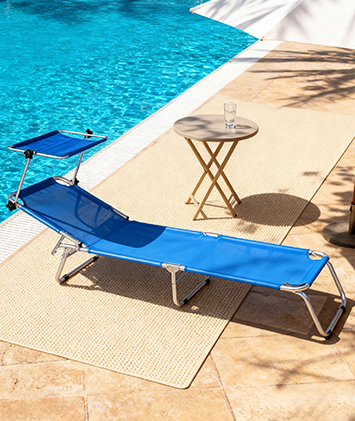
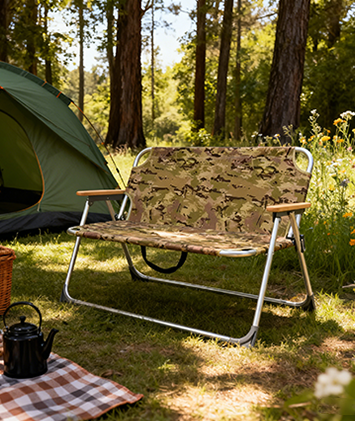
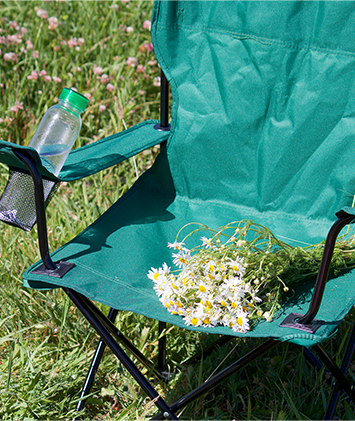
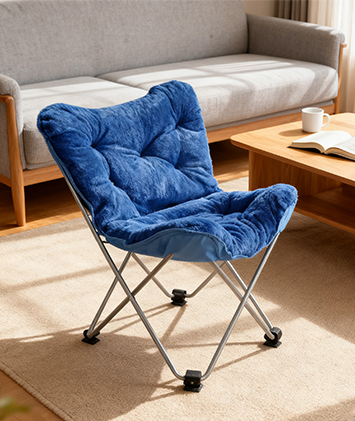
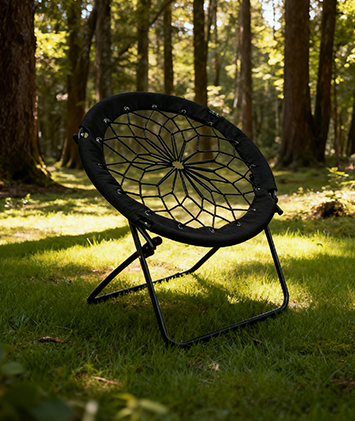
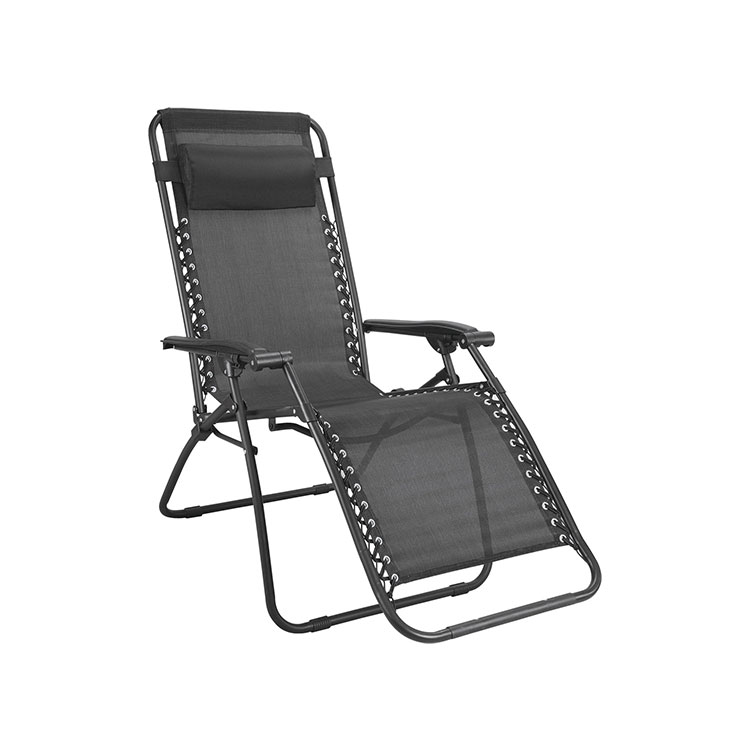
What are some common problems with using a Lounge Chair?
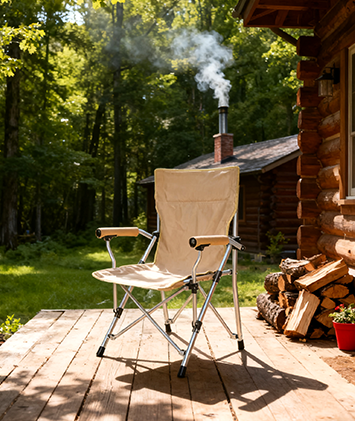
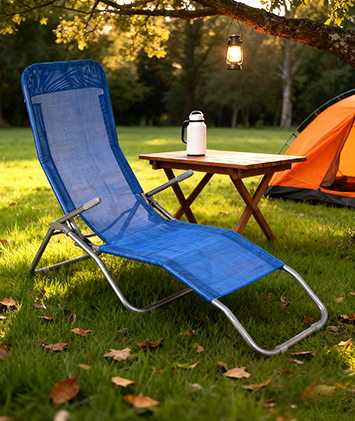
Lounge chairs are generally designed for outdoor and indoor relaxation, but they may present some issues depending on their design and materials. One common problem is stability; lightweight chairs can tip over on uneven surfaces such as sand or gravel. Fabric or mesh seats may sag over time, reducing comfort and support. Metal frames exposed to moisture can develop corrosion if not properly treated. Some models may be difficult to transport due to their size or folding mechanism. Chairs with adjustable parts can experience mechanical wear, making them less reliable for long-term use.
What are the dimensions and weight-bearing capacity of a Lounge Chair?
Lounge chairs come in a range of dimensions and weight capacities, often influenced by material and design. Standard seat height from the ground is usually between 35 cm and 45 cm, providing comfortable leg positioning. The overall length of a chair typically ranges from 100 cm to 180 cm, allowing for reclining or stretching out. Width generally varies between 50 cm and 70 cm, providing enough space for a single user. Folded dimensions are smaller, often around 100 cm in length and 15–25 cm in thickness, which facilitates storage and transport. Weight-bearing capacity depends on frame material: aluminum frames generally support 100–120 kg, while steel frames can handle 120–150 kg or more. Fabric seats, reinforced with strong stitching, maintain support but should be checked regularly for sagging or wear. Proper use ensures both safety and durability.
What styles and colors are available for a Metal Beach Chair?
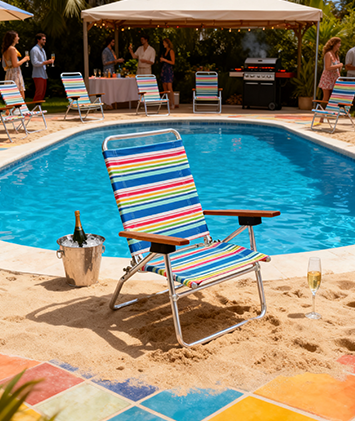
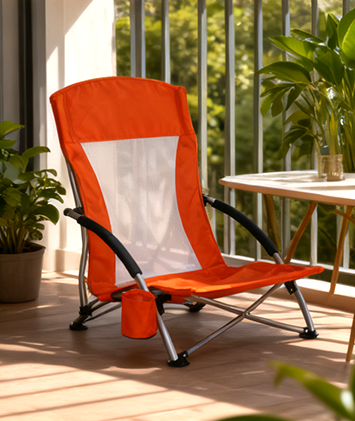
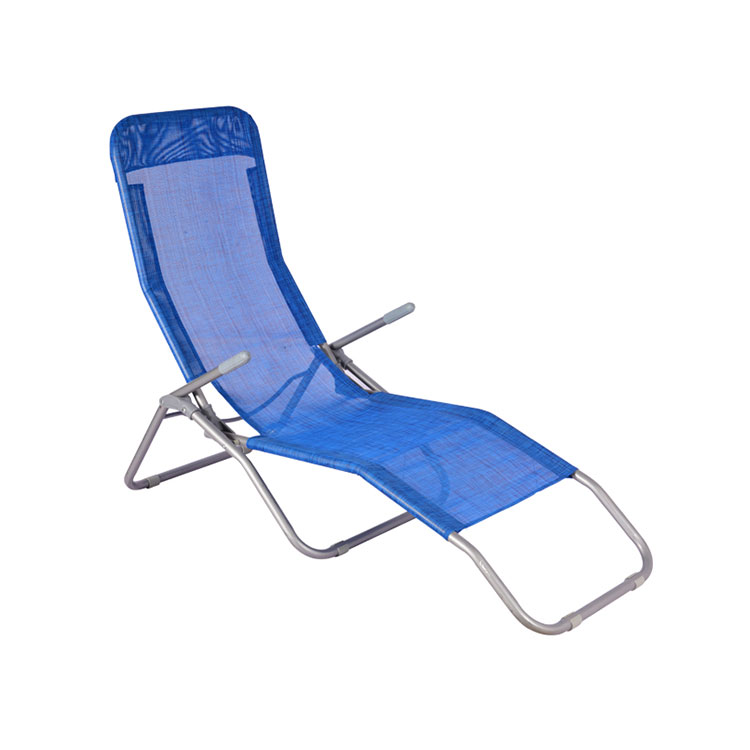
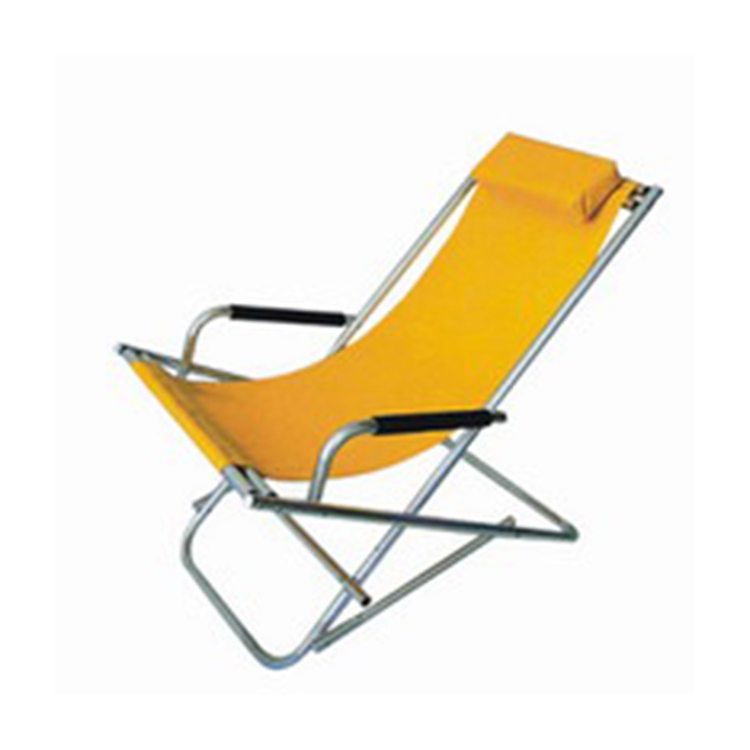
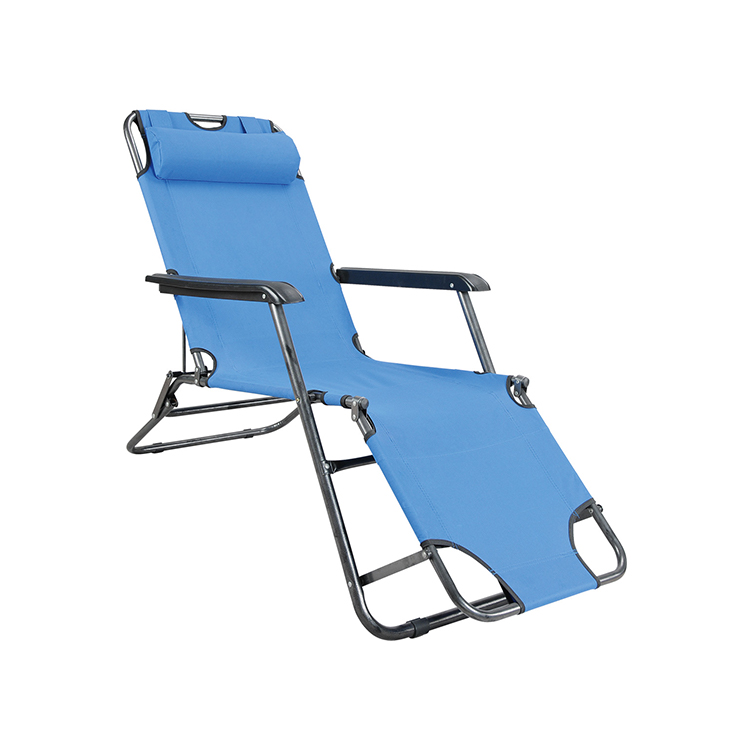
Metal beach chairs are produced in a variety of styles to suit different outdoor activities. The common style is the folding chair, which features a lightweight frame and fabric seat for easy transport. Reclining metal beach chairs allow users to adjust the backrest angle for resting or reading. Some designs incorporate armrests, cup holders, or small side tables to improve convenience. High-back models provide additional support for the neck and shoulders, while low-profile options are designed for compact storage and portability.
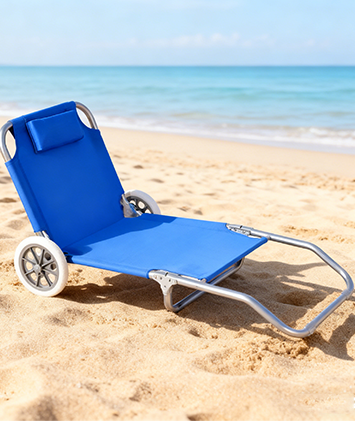
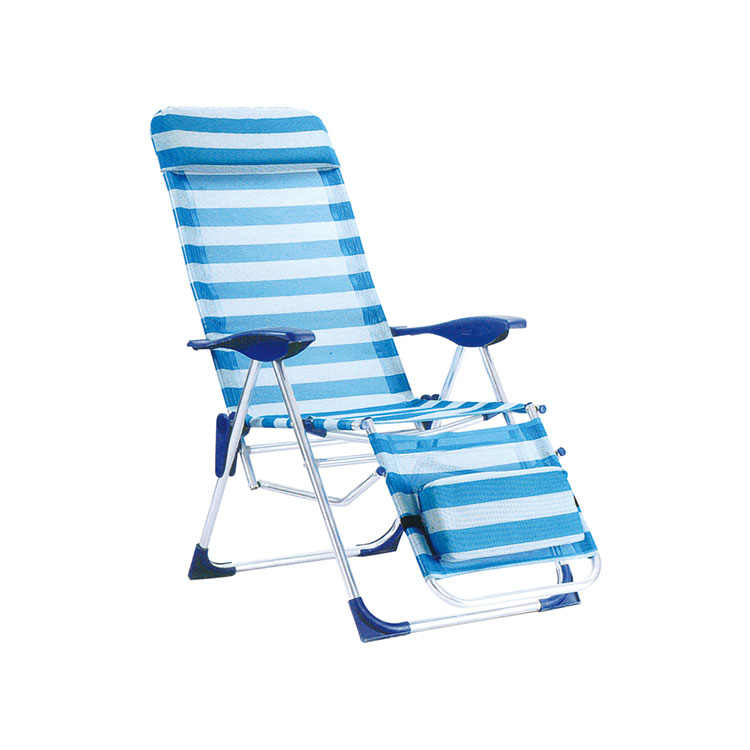
Fabric colors for metal beach chairs range from neutral shades such as black, gray, and beige to brighter options like blue, green, red, or striped patterns. Neutral colors are often chosen for general use, as they are less likely to show dirt and can blend with various outdoor settings. Brighter colors or patterns can enhance visibility on crowded beaches and provide a more casual aesthetic.
The frame finish can also vary. Powder-coated aluminum or painted steel frames help resist corrosion and wear from sun and water exposure. Matte and glossy finishes are available depending on the manufacturer's preference.
Modern Lounge Chairs
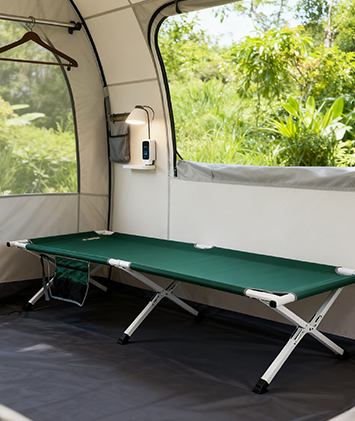
◆ Modern lounge chairs are often designed with a focus on portability and convenience. Lightweight frames made of aluminum or coated steel allow users to move the chair easily between outdoor spaces. Foldable mechanisms are common, enabling compact storage when not in use.
◆ Many modern designs incorporate breathable fabrics, such as polyester mesh or oxford cloth, which provide ventilation during warm weather. These fabrics are usually treated to resist fading and moisture absorption.
◆ Adjustable reclining positions are increasingly included in contemporary models. Users can modify the backrest angle to suit resting, reading, or sunbathing. Some designs include detachable pillows or small cushions for added comfort.
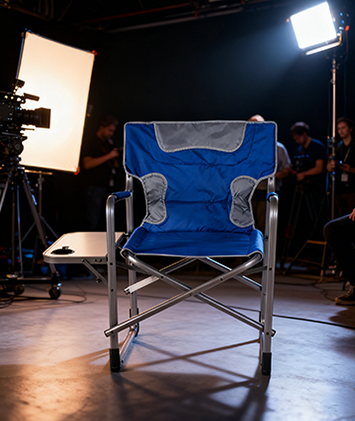
◆ Accessories are another feature in modern lounge chairs. Cup holders, storage pouches, or fold-out side tables provide practical functionality without adding significant weight. These elements make the chair more versatile for beach, camping, or backyard use.
◆ Stability enhancements, such as anti-slip feet or reinforced joints, are implemented to improve safety on uneven surfaces. Some models also include higher frames to provide better support when getting in and out of the chair.
◆ Modern lounge chairs often offer a variety of colors and patterns to suit personal taste and outdoor settings. Neutral shades are preferred for general use, while bright or patterned fabrics are popular for recreational purposes.