

 русский
  Español
  Deutsch
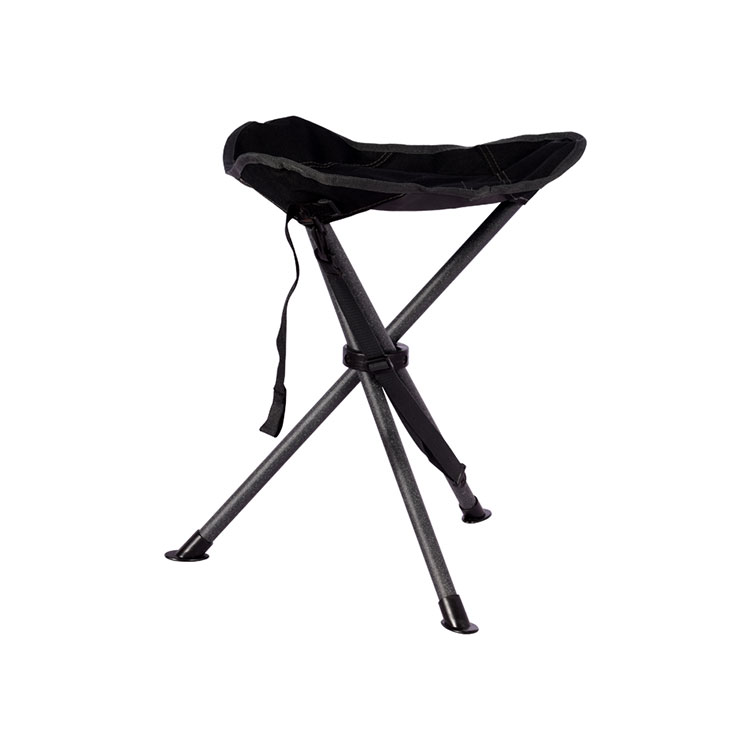
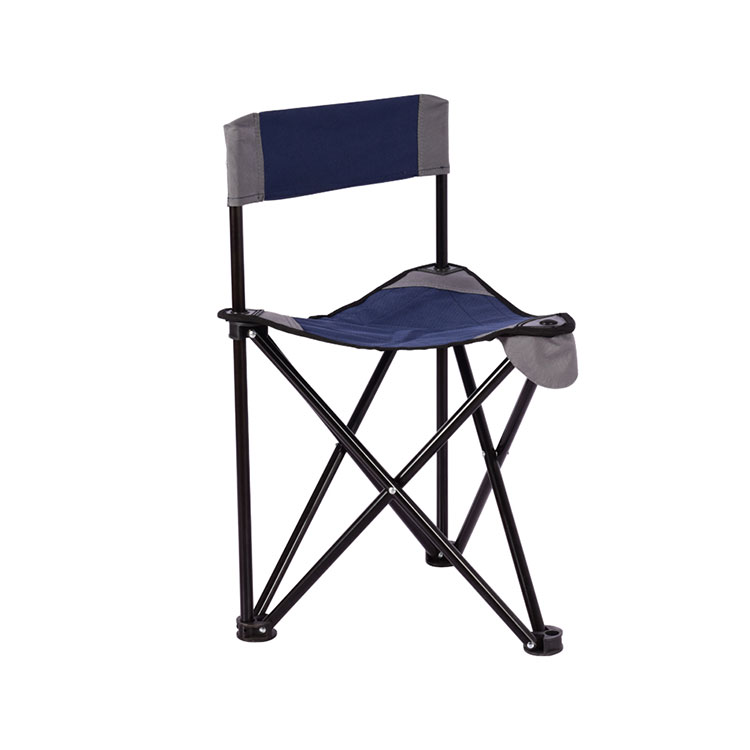
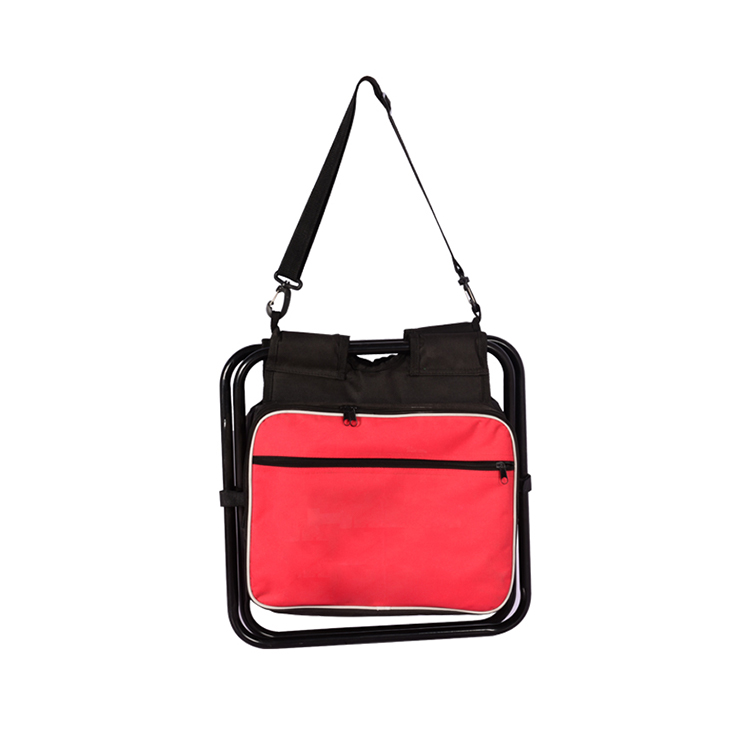
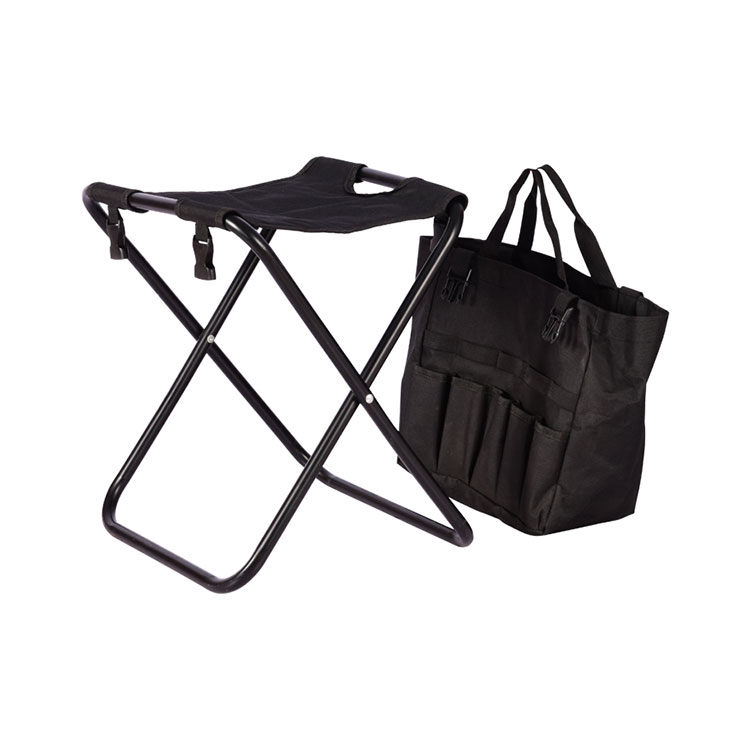
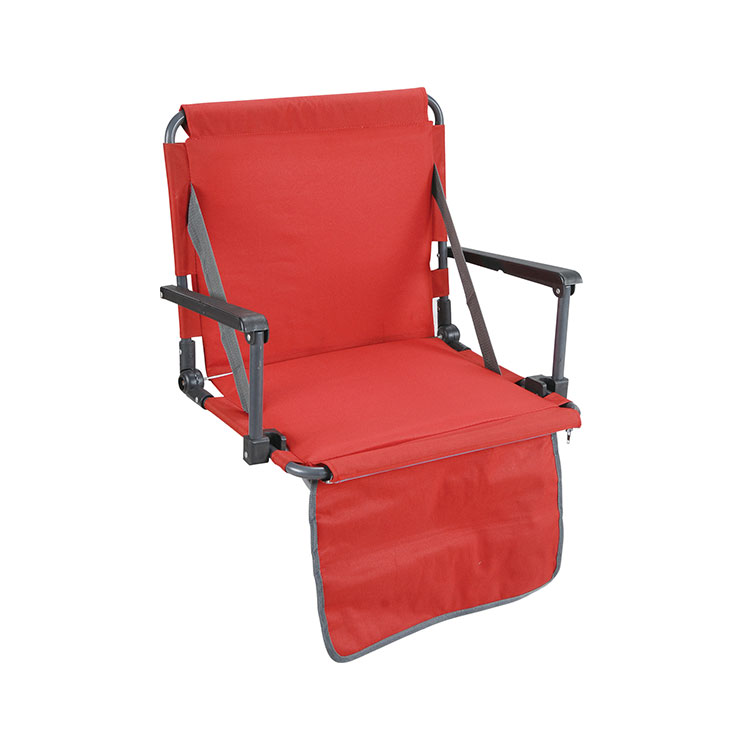
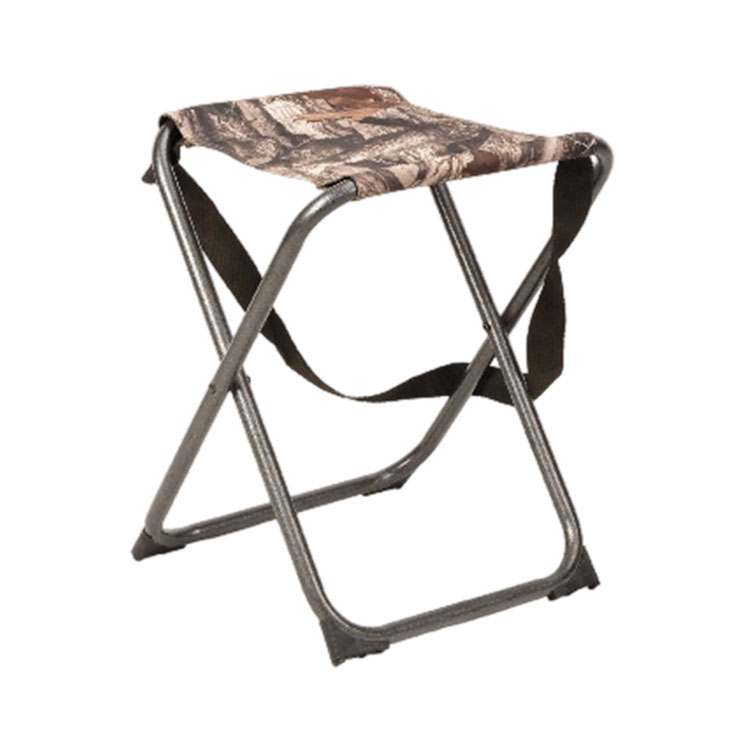
How does a folding stool differ from a folding chair?
A folding stool has no backrest or armrests. The absence of these components reduces the folded volume and weight by 40 to 60 percent compared to a folding chair of similar seat height. A typical folding stool weighs 2 to 5 pounds and folds to dimensions of 18 by 5 by 5 inches. A folding chair weighs 6 to 10 pounds and folds to 24 by 8 by 8 inches. The stool requires the user to engage core muscles to maintain an upright posture, while the chair provides spinal support. The stool suits activities of short duration (15 to 45 minutes) such as fishing from a bank, attending a child's sports practice, or waiting in a queue. The chair suits longer sitting periods of one hour or more. The stool also requires more frequent repositioning because the lack of a backrest allows the user to rotate 360 degrees without moving the stool, which is useful for tasks requiring access to multiple work surfaces.
How do I maintain the hinge mechanism of a folding stool?
The hinge mechanism of a folding stool is the frequently failing component. Many folding stools use a center pivot bolt or a pair of rivets connecting the crossed legs. Inspect this pivot point before each use. Look for visible gaps between the legs at the pivot, which indicate worn holes or loose fasteners. Tighten pivot bolts with a wrench until snug, but do not overtighten. Overtightening prevents the legs from folding freely and can crack plastic bushings. For riveted pivots that have become loose, replacement is not possible without drilling out the old rivets and installing new ones. Apply a dry lubricant such as graphite or PTFE spray to the pivot point every 10 to 15 uses.
Folding Camping Stool
1. Portability and weight considerations.
A folding camping stool is designed for transport over distances of 0.5 to 3 miles from a vehicle to a campsite or fishing spot. The stool’s weight ranges from 1.5 to 4 pounds, which is 50 to 75 percent lighter than a folding camping chair of similar seat height. This weight reduction allows the stool to be carried in a backpack’s side pocket or strapped to the exterior of a daypack. For backpackers counting every ounce, an ultralight stool with a carbon fiber frame and nylon fabric seat weighs 12 to 16 ounces but supports only 150 to 200 pounds.
2. Setup and takedown time.
A folding camping stool with a scissor-lock mechanism sets up in 5 to 10 seconds. The user pulls the legs apart until the pivot locks into position. A stool with a push-pin or twist-lock mechanism takes 15 to 20 seconds. Takedown time is similar. The fastest designs use a single cord or strap running through the center of the pivot. Pulling the strap releases the lock and allows the legs to collapse simultaneously. This one-pull design reduces takedown time to 3 to 5 seconds.
3. Ground surface compatibility.
The feet of a folding camping stool are the primary interface with the ground. Standard rubber caps work well on packed dirt, grass, and rock. On sandy surfaces, standard feet sink, causing the stool to tilt. Some camping stools include wide feet (2 to 3 inches in diameter) or detachable sand plates that attach to the legs. On wet or muddy ground, the stool’s legs may sink to a depth of 1 to 2 inches.
How has the Folding Tripod Travel Chair entered our lives?
In outdoor recreation, the tripod chair replaced heavier four-legged stools and scissor-fold chairs for backpackers and long-distance hikers. The tripod design uses three legs instead of four, reducing frame weight by approximately 25 percent for a given seat height. The three legs automatically stabilize on uneven ground because a three-point contact always rests firmly without rocking, whereas a four-legged stool requires level ground or adjustable legs. Backpackers adopted tripod chairs in the 1990s as ultralight camping equipment became more available. By the early 2000s, major outdoor brands offered tripod chairs weighing under 2 pounds.
In professional applications, tripod chairs entered the equipment kits of outdoor photographers, wildlife observers, and construction site supervisors. A photographer waiting for sunrise light at a remote location may sit for two to three hours. A tripod chair provides a seat that fits into a camera bag alongside lenses and filters. Wildlife observers use tripod chairs because the low seat height (6 to 10 inches) positions the observer below the line of sight of many animals, reducing the chance of being detected. Construction supervisors use tripod chairs on job sites where the ground is uneven and a standard folding chair would tip.