


 русский
  Español
  Deutsch
Why Do Beach Cart Chairs With Wheels Tip Over Easily
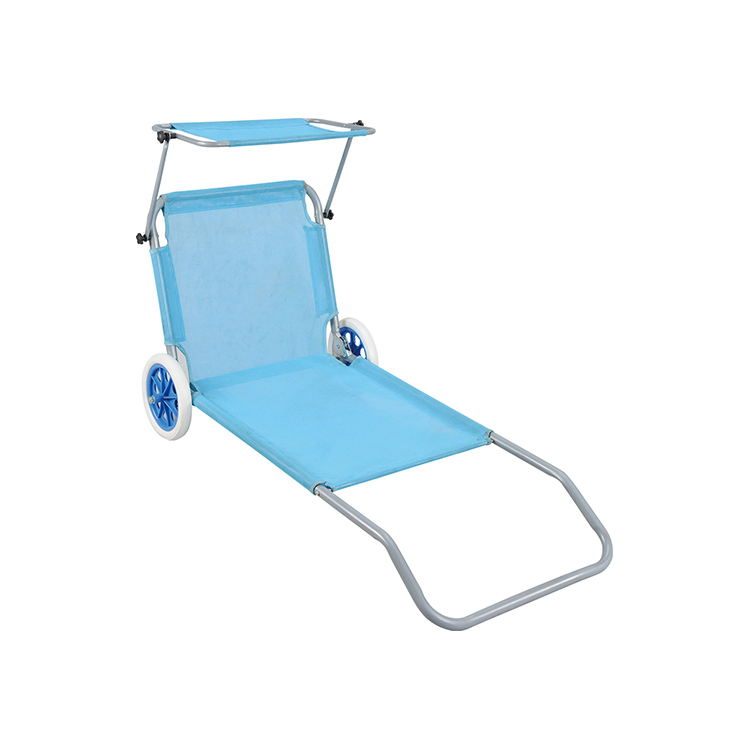
Beach transport gear has become increasingly popular as outdoor leisure travel grows, especially products combining seating and hauling functions. A typical Beach Cart Chairs with Wheels setup looks convenient on paper, yet real-world use often exposes stability problems that surprise many users. The tipping issue rarely comes from a single cause; instead, it emerges from wheel geometry, load distribution, sand resistance, and frame height working against each other.
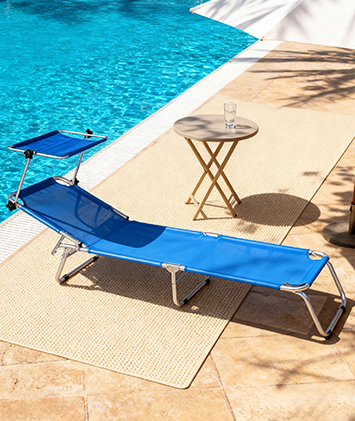
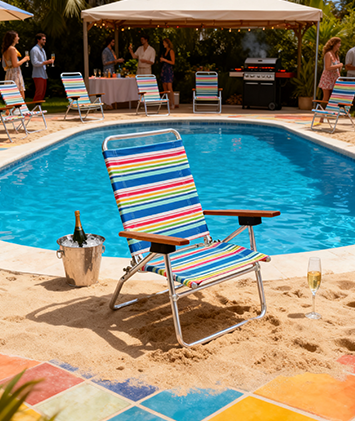
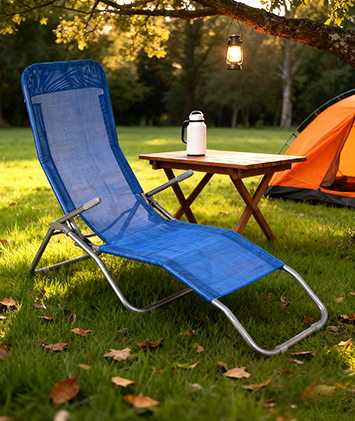
Wheel Design and Sand Interaction
Why soft sand destabilizes rolling systems
Soft sand behaves like a shifting granular surface rather than a solid ground. Standard cart wheels create concentrated pressure points, which cause sinking and uneven rolling resistance. Once one wheel sinks deeper than the other, the entire structure begins to lean, increasing the chance of rollover.
Research on sand mobility systems shows that narrow wheels can increase resistance dramatically once penetration exceeds a few centimeters, forcing the cart into uneven motion patterns instead of smooth rolling .
Balloon tire advantage on stability
Wide pneumatic or balloon-style wheels are designed to reduce ground pressure by increasing surface contact. Larger diameter wheels (commonly 9–16 inches) distribute weight more evenly and reduce sinking depth, improving directional control across dunes and dry sand patches .
Load Distribution Problems in Hybrid Chair-Carts
Combined seating and cargo weight imbalance
A hybrid chair-cart system carries two different load behaviors:
- Static load: seated user weight
- Dynamic load: moving cargo weight (coolers, bags, tools)
When cargo is stacked higher than seat level, the center of gravity shifts upward. Even small lateral movements can trigger tipping, especially during turns or uneven terrain transitions.
Rear-heavy loading instability
Many users place heavy coolers or bags behind the seat. This creates a rear torque effect, lifting front wheels slightly during movement. Once front wheels lose consistent contact, directional control weakens and tipping probability increases.
Frame Height and Structural Geometry
Elevated seating increases rollover risk
Higher seat positions improve comfort but reduce lateral stability. A taller structure increases leverage distance from ground contact points, meaning even mild tilting forces can become amplified.
Narrow wheelbase limitations
A compact wheelbase improves portability but reduces stability margin. Engineering observations show that wider axle spacing significantly improves resistance to side tipping, particularly on uneven terrain such as dunes or sloped shoreline paths.
Material and Structural Behavior Comparison Table
| Feature | Lightweight Beach Cart Chair | Heavy-Duty Sand Wagon | Stability Impact |
| Wheel Diameter | 6–8 inches | 10–16 inches | Larger wheels reduce sinking and tilt |
| Tire Type | Solid plastic | Low-pressure pneumatic | Pneumatic improves surface grip |
| Frame Material | Thin aluminum alloy | Reinforced aluminum/steel | Stronger frames reduce flex |
| Seat Height | High | Medium/low | Lower height improves balance |
| Wheelbase Width | Narrow | Wide | Wider base improves anti-tip stability |
| Load Position | Rear-biased common | Center-balanced design | Balanced load reduces torque |
Terrain-Specific Instability Triggers
Dry loose sand zones
Dry beach sand creates inconsistent support points. Wheels may sink at different rates, causing sudden shifts in tilt angle. This condition often triggers side tipping during directional changes.
Sloped shoreline paths
Even a mild slope along the shoreline can shift weight laterally. Combined with elevated seating, this creates a natural tipping direction toward the lower side.
Packed sand transitions
Moving from soft sand to compact sand creates sudden resistance changes. One wheel may regain traction faster, pulling the structure unevenly.
Design Factors That Influence Tipping
Axle positioning effect
Axles placed too high relative to wheel center reduce stability because the load sits above the rolling axis. Lower axle designs improve equilibrium by keeping force closer to ground level.
Frame flex under load
Low-cost frames often flex under combined seating and cargo weight. Flexing reduces wheel contact consistency, which increases lateral wobble during movement.
Handle force imbalance
Pulling at steep angles introduces torque that shifts weight rearward. This is especially noticeable when climbing dunes or crossing uneven beach ridges.
Practical Engineering Observations
Field use comparisons show several consistent behaviors:
- Narrow wheels dig into sand and create uneven drag
- Wide wheels reduce sinking but require stronger frames
- High seating increases comfort but reduces tipping tolerance
- Uneven cargo stacking significantly increases rollover probability
These patterns explain why two visually similar carts can perform very differently under identical beach conditions.
Design Improvements That Reduce Tipping
Wider wheel spacing strategy
Increasing axle width improves lateral balance. Even a modest increase of 10–20% can noticeably reduce side tipping during turns.
Lower center of gravity configuration
Placing heavier cargo closer to wheel level stabilizes movement. Keeping weight below seat height reduces torque during motion.
Pneumatic wheel optimization
Low-pressure tire setups improve sand flotation. Proper inflation (often around 3–5 PSI for balloon tires) increases contact surface and reduces sinking behavior.
Reinforced frame joints
Strengthening hinge points and seat support areas reduces flex-induced instability. This is especially important for hybrid chair-cart designs.
User Behavior Factors Affecting Stability
Overloading beyond dynamic capacity
Static load ratings often differ from real movement conditions. Once a cart starts rolling, bumps and sand resistance multiply stress across the frame.
Uneven packing habits
Random placement of gear inside the storage area shifts balance unpredictably. Symmetrical loading improves directional stability significantly.
Sudden directional changes
Sharp turns on soft sand increase lateral force. Controlled turning radius reduces the risk of tipping, especially for taller designs.
Beach mobility systems combining seating and transport functions must balance three competing requirements: comfort, portability, and stability. Most tipping issues arise because one of these factors is prioritized too heavily at the expense of the others.
A well-balanced design relies on low ground pressure wheels, moderate seating height, and carefully controlled load distribution. Without this combination, even high-quality materials cannot fully prevent instability on soft or uneven beach terrain.

-
-
 TEL:
TEL:
- +86-13738961469
-
-
-
 EMAIL:
- cnds@cndsgm.com
-
-
-
 ADDRESS:
- Niubei Jincun, Baiyang Sub-district, Wuyi County, Jinhua City, Zhejiang Province, China
-
Outdoor Leisure Products Manufacturer

