


 русский
  Español
  Deutsch
What to Know Before Buying an Outdoor Leisure Lounge Chair
An outdoor leisure lounge chair is exactly what it sounds like: a chair designed for relaxing outside. Not for dining, not for working, not for sitting upright and watching a game. This is the chair you sink into with a book, a drink, or just the intention of doing nothing for an hour.
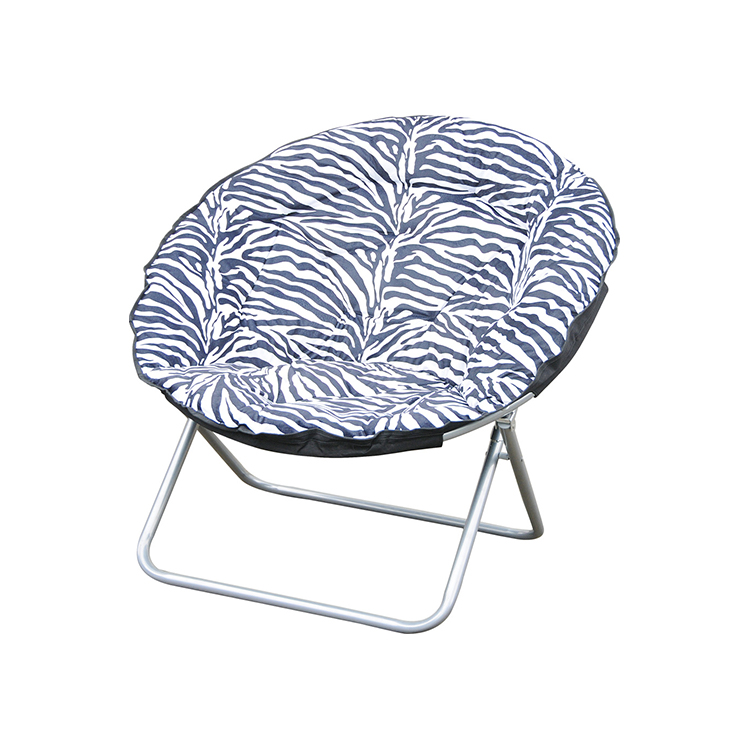
They come in many forms—reclining, rocking, folding, stationary—but they share a few common traits. They sit lower to the ground than a regular chair. The back is angled (usually 100 to 130 degrees). And they are made of materials that can survive sun, rain, and temperature changes.
Let me walk you through what actually matters.
The main types you will see
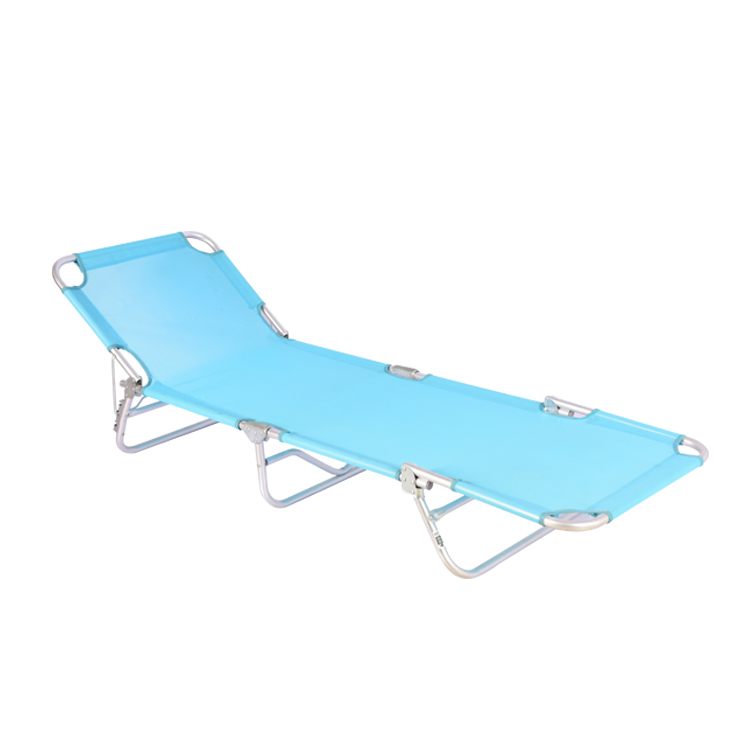
The classic zero-gravity chair. This design uses a scissor mechanism (like a folding lawn chair) that allows the seat to recline and the footrest to rise. When fully extended, your knees are level with your heart—hence the "zero gravity" name. The fabric is usually a mesh (Textilene or similar) that breathes and dries quickly. These chairs fold into a long, narrow package. They are popular for camping, tailgating, and poolside use.
The fixed-position lounge chair. This one does not recline. The angle is set at the factory—usually about 110 to 120 degrees. The frame is often wood (teak, eucalyptus, or acacia) or aluminium. The seat is fabric or woven resin (wicker). These are common on patios and decks. They do not fold, so they take up space year-round.
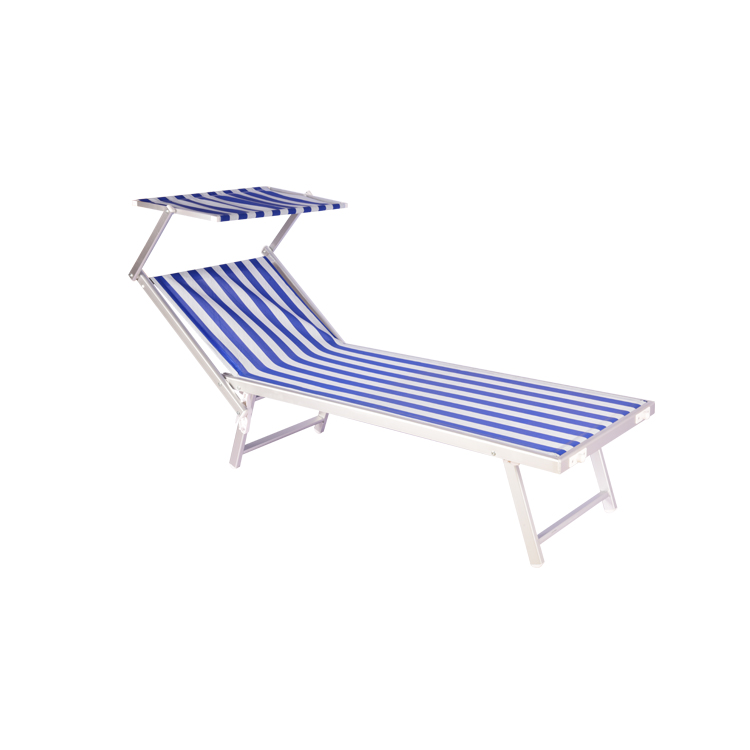
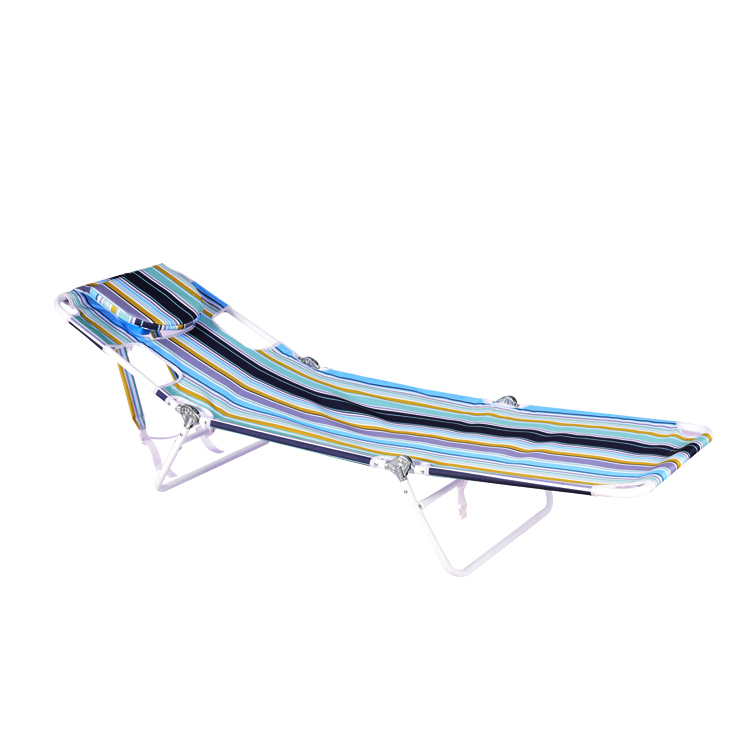
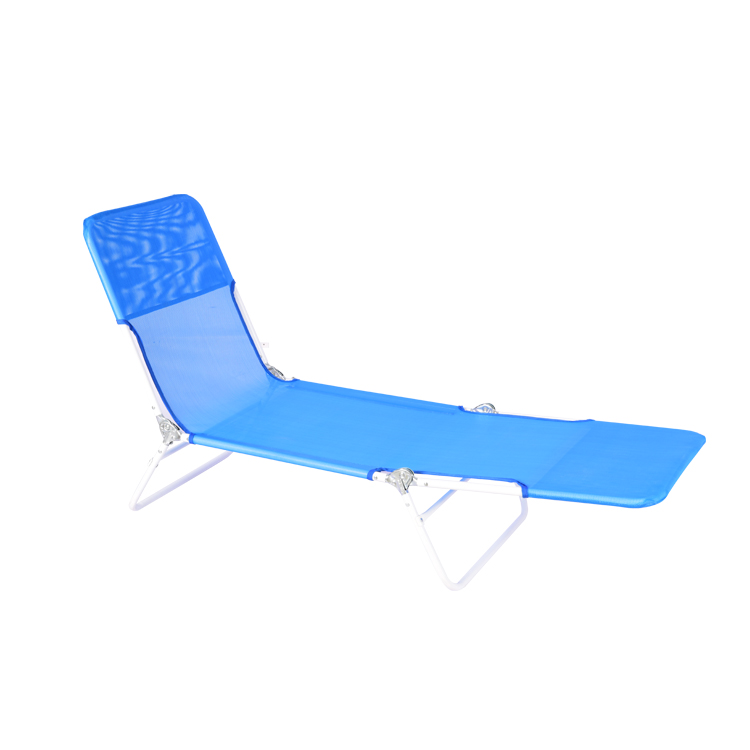
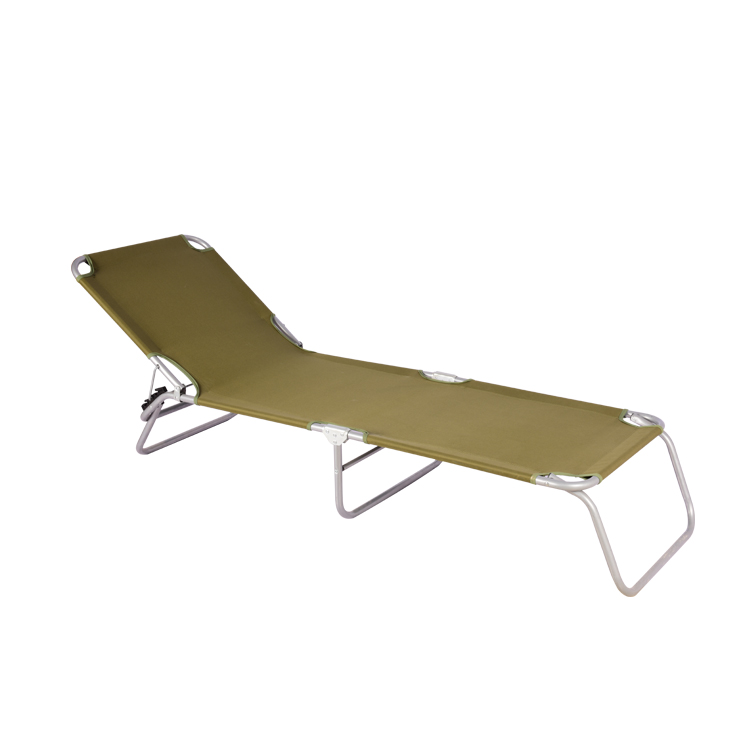
The multi-position recliner. Similar to the zero-gravity chair but with a different mechanism. The back adjusts through several locked positions (usually 3 to 5), from upright to nearly flat. The seat does not tilt up. These are heavier than zero-gravity chairs but often more comfortable for reading because you can sit more upright.
The rocking lounge chair. A regular lounge chair with curved runners on the bottom. The rocking motion is soothing for some people, annoying for others. Not great for a sloped deck (you will slide to one side). The runners are usually plastic or coated steel.
The inflatable lounge chair. Lightweight and compact when deflated. You fill it with air (or sometimes air and water for weight). They are comfortable for an hour or two, but they leak slowly over a weekend. Most last two to three seasons before the seams fail.
Frame materials: what lasts and what does not
Aluminium. The most practical choice for most people. It does not rust. It is light enough to move around. It does not rot or crack from sun exposure. The weak point is the finish. Powder-coated aluminium will chip if you scrape it against a concrete floor. Once the coating chips, the bare aluminium underneath is fine (aluminium oxidizes into a protective white powder), but the chip looks bad.
Steel. Stronger than aluminium but much heavier. It rusts. Even powder-coated steel will rust at the welds and where water pools. If you live in a dry climate, steel can last 5–8 years. If you live near the ocean or in a rainy area, expect rust within 2–3 years. Steel lounge chairs are usually the cheapest option.
Teak. The gold standard for outdoor wood. Teak contains natural oils that resist water, rot, and insects. It does not need painting or sealing. It will turn silver-gray over time (that is normal). A teak lounge chair, properly maintained, can last 20–40 years. But it is expensive. A single teak lounge chair costs as much as a full aluminium set.
Eucalyptus and acacia. Less expensive than teak, but less durable. They need annual oiling to prevent cracking and warping. Without maintenance, they last 3–5 years. With good care (cleaning and oiling twice a year), they can last 8–12 years.
Wicker (resin wicker). Not actually wood. Resin wicker is synthetic polyethylene woven over an aluminium frame. It looks like natural wicker but does not rot or fade as quickly. The weak point is the weave itself—dust and dirt collect in the gaps, and the strands can separate if you drag the chair across a rough surface. Resin wicker lasts 5–10 years.

-
-
 TEL:
TEL:
- +86-13738961469
-
-
-
 EMAIL:
- cnds@cndsgm.com
-
-
-
 ADDRESS:
- Niubei Jincun, Baiyang Sub-district, Wuyi County, Jinhua City, Zhejiang Province, China
-
Outdoor Leisure Products Manufacturer

