


 русский
  Español
  Deutsch
What weight capacity and size specifications should I look for?
The weight capacity of a folding camping chair is determined by the frame material, tube diameter, and joint construction. Standard steel-frame chairs with 16 mm diameter tubing typically support 100-120 kg (220-265 lbs). Heavy-duty steel chairs with 19-22 mm tubing support 150-180 kg (330-400 lbs). Aluminium-frame chairs, while lighter, usually have a lower capacity: 80-100 kg (175-220 lbs) for standard aluminium, and 120-150 kg (265-330 lbs) for reinforced aluminium models. The weight rating should be printed on the chair's label or packaging. Exceeding this rating by 20 percent may cause the frame to bend (permanent deformation of 5-10 degrees at the hinge points) after 10-20 uses.
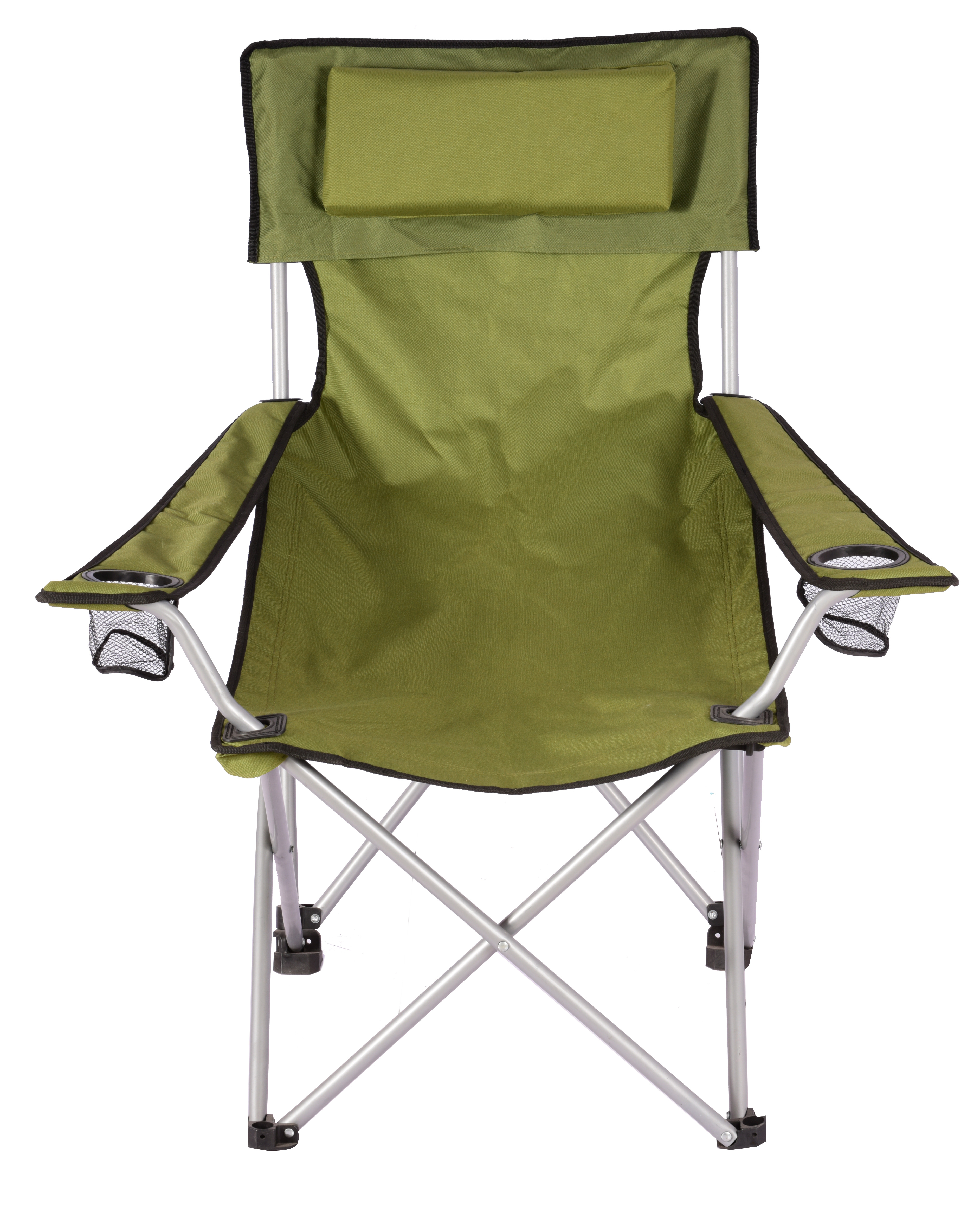
The seat height (distance from the ground to the seat surface) affects ease of sitting and standing. Low chairs (30-35 cm seat height) are stable on uneven ground but difficult for people with knee problems to rise from. Medium chairs (40-45 cm) are the most common, matching the height of many picnic tables. High chairs (48-55 cm) are easier to stand from but tip more easily. The seat depth (front to back) should be 45-55 cm for adults. A depth of less than 40 cm leaves the user's thighs unsupported, causing discomfort after 30-60 minutes. The backrest height (from seat to top of back support) ranges from 30 cm (low-back) to 70 cm (high-back, providing neck support). For users over 180 cm tall, a high-back chair with neck support is recommended; otherwise, the top of the backrest hits the shoulders, forcing the user to slouch.
What frame materials and construction features indicate durability?
Steel frame (powder-coated): Most common for chairs under $50. Steel has tensile strength of 400-550 MPa, making it resistant to bending under normal loads. The primary failure mode is rust: powder coating thickness should be 60-100 microns. Inferior coatings (under 40 microns) allow rust to form at scratches within 3-6 months of outdoor use. Look for chairs with "rust-resistant" labels and avoid those with visible unpainted metal at hinge points. Steel chairs weigh 3.5-5.0 kg.
Aluminum frame (6061 or 7075 alloy): Used for lightweight backpacking chairs. 6061 aluminum has yield strength of 276 MPa, about half that of steel, so tube diameter must be larger (19-22 mm) to achieve similar strength. A well-designed aluminum chair weighs 1.5-2.5 kg. Failure mode is fatigue cracking at the hinge points after 200-500 hours of use. Aluminum frames do not rust, but they can corrode in salt air (coastal camping). Anodized finishes (type II, 10-20 microns) provide moderate corrosion protection; powder-coated aluminum is better for beach use.
Hinge and joint design: The weakest points are the pivot joints where the chair folds. Look for riveted steel hinges (4-5 mm diameter rivets) rather than plastic snap-buttons. Plastic buttons crack at temperatures below 5°C, especially on older chairs (2-3 years). The best hinges are aluminum or steel plates with bronze bushings (self-lubricating, 0.5-1.0 mm thick). A chair with bronze bushings will last 5-10 years. Chairs with metal-on-metal pivots (no bushing) develop play (1-2 mm of side-to-side movement) after 100-200 uses, causing the chair to wobble.
Cross-bracing (scissor mechanism): The X-shaped cross-braces under the seat distribute weight. Single-brace chairs (one X per side) are adequate for users under 80 kg. Double-braced chairs (two overlapping X-braces per side) support 150+ kg and feel more rigid. Measure the brace tube diameter: 12 mm or less indicates a lightweight chair; 16 mm or more indicates heavy-duty construction. Avoid chairs where the cross-braces attach to the main frame with self-tapping screws (cheap); look for through-bolts with locknuts (nylon insert type), which do not loosen over time.
What fabric materials are used, and how do they perform in different conditions?
Polyester (600D to 1200D): The most common fabric for camping chairs. Denier (D) indicates thread thickness: 600D is lightweight and breathable but tears more easily (tear strength 50-80 N). 1200D is heavyweight, less breathable, but tear strength doubles to 100-150 N. Polyester resists UV degradation: after 1,000 hours of sunlight exposure, tensile strength drops by 20-30 percent, compared to 50-60 percent for nylon. Polyester dries quickly (1-2 hours after rain). For chairs left outdoors all summer, polyester is the better choice.
Nylon (ripstop): Used in backpacking chairs where weight is critical (under 1.5 kg). Nylon has higher tear strength (120-180 N for 210D ripstop) than polyester of the same weight, but it absorbs 3-5 percent moisture (versus 0.5 percent for polyester), becoming damp to the touch in humid conditions. Nylon degrades faster in UV: after 500 hours of sunlight, nylon loses 40-50 percent of its strength. For occasional use (2-3 camping trips per year), nylon is acceptable; for frequent use, polyester is better.
Mesh (polyester or nylon mesh): Used for the backrest or entire seat for ventilation. Mesh chairs are cooler in hot weather (back sweat reduced by 50-70 percent) but offer less support. Mesh stretches over time: a mesh seat will sag 2-3 cm after 200 hours of use. The sag can be reduced by choosing chairs with mesh only on the backrest and solid fabric on the seat. Mesh is also more prone to snagging on twigs or belt buckles; once a mesh thread breaks, the hole expands to 2-5 cm over subsequent uses. Avoid mesh chairs for campsites with thorny vegetation or for users with dogs (claws snag mesh).

-
-
 TEL:
TEL:
- +86-13738961469
-
-
-
 EMAIL:
- cnds@cndsgm.com
-
-
-
 ADDRESS:
- Niubei Jincun, Baiyang Sub-district, Wuyi County, Jinhua City, Zhejiang Province, China
-
Outdoor Leisure Products Manufacturer

