


 русский
  Español
  Deutsch
Usage precautions for the Outdoor Leisure Chair
Types of Outdoor Leisure Chairs
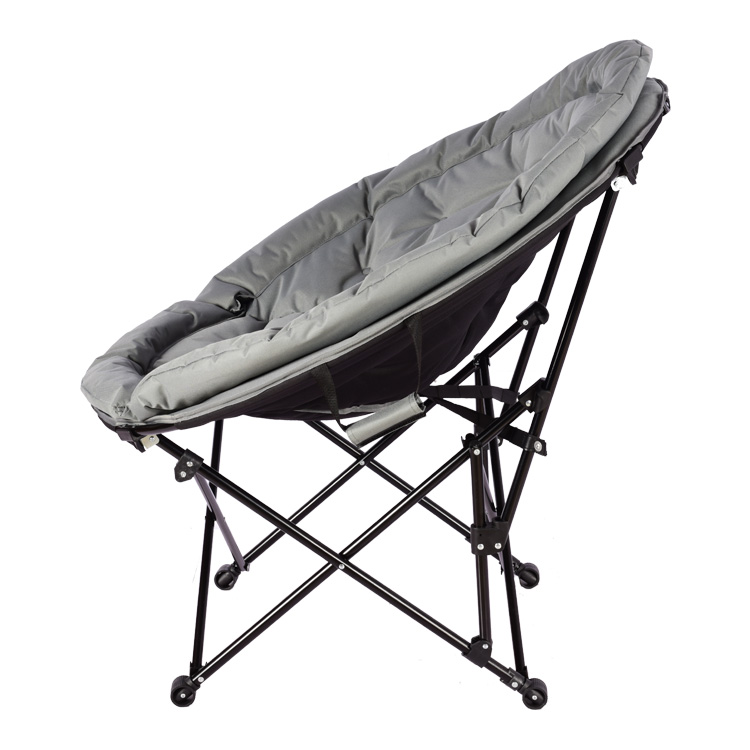
- Folding Camping Chair (Director's Chair): A tubular steel or aluminum frame with a fabric seat and backrest. The chair folds laterally into a flat, narrow package (typically 80-100 cm long, 15-20 cm wide). Most include a cup holder and side pocket. Weight ranges from 2.5 kg to 4.5 kg. Seat height is 40-50 cm. These chairs are suitable for camping, picnics, and outdoor concerts.
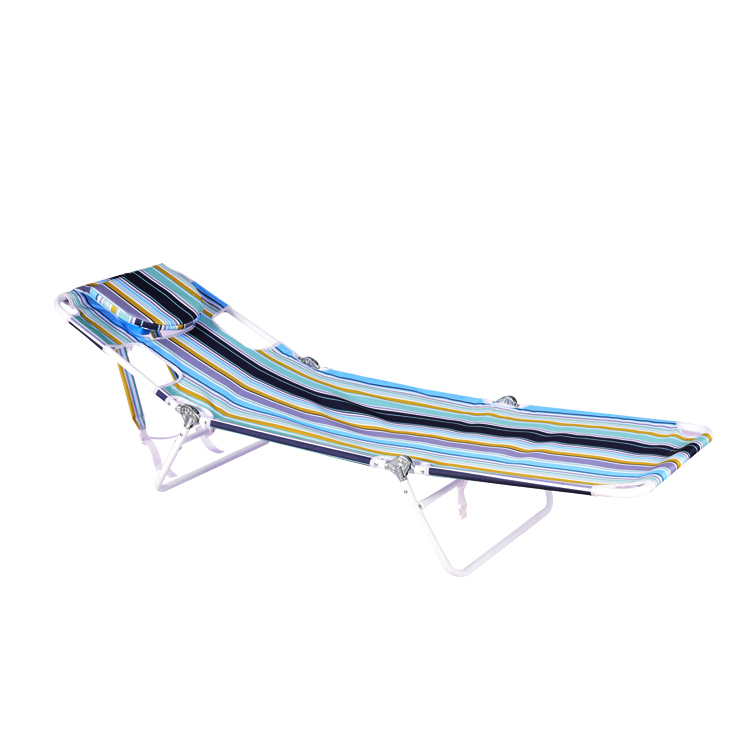
- Low-Profile Beach Chair (Sand Chair): Seat height is 15-25 cm, keeping the user's center of gravity low for stability on soft sand. The frame is often aluminium or rust-resistant steel. The fabric is mesh or quick-dry polyester. Many models include a small pillow, a carrying strap, and a back pocket. Some recline to a near-flat position (150-170 degrees). Weight is 1.5-2.5 kg.
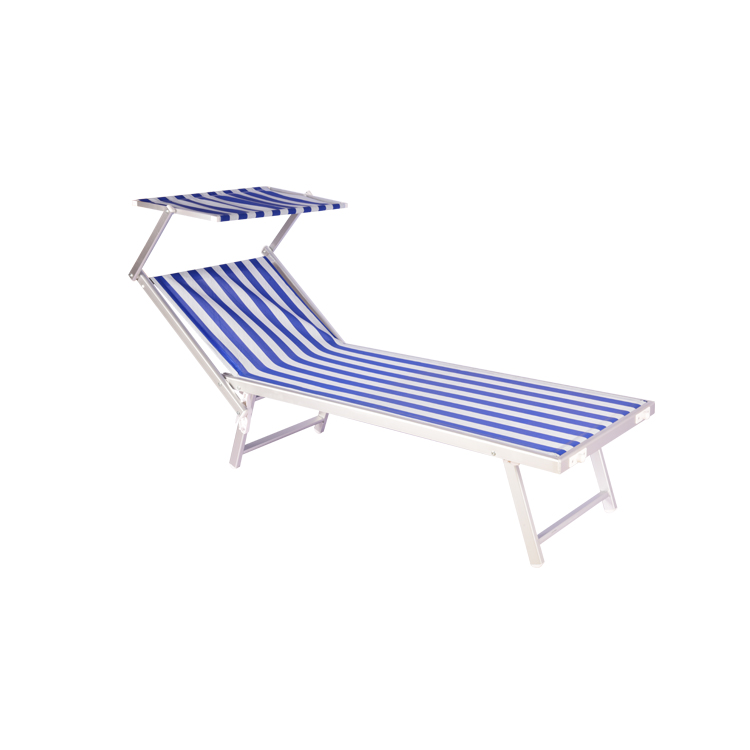
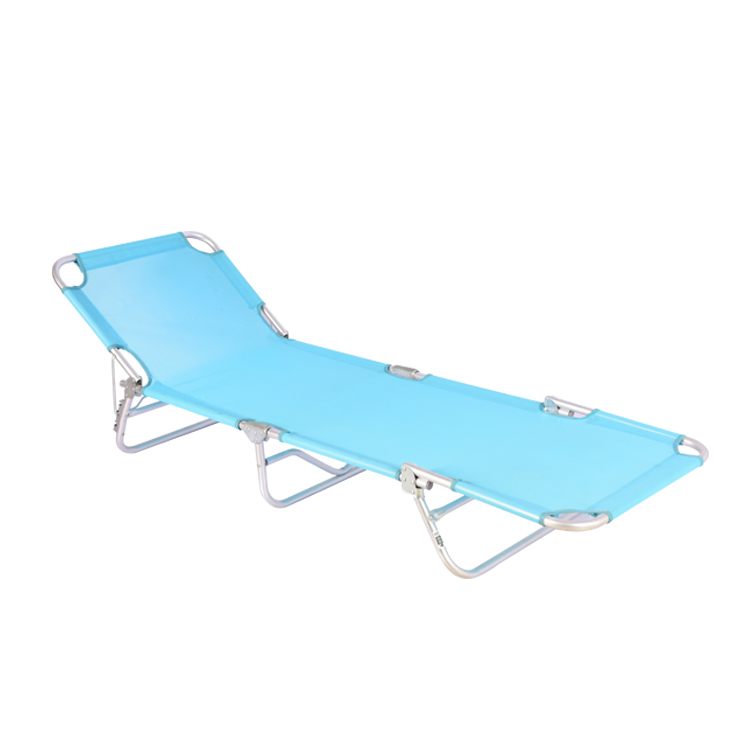
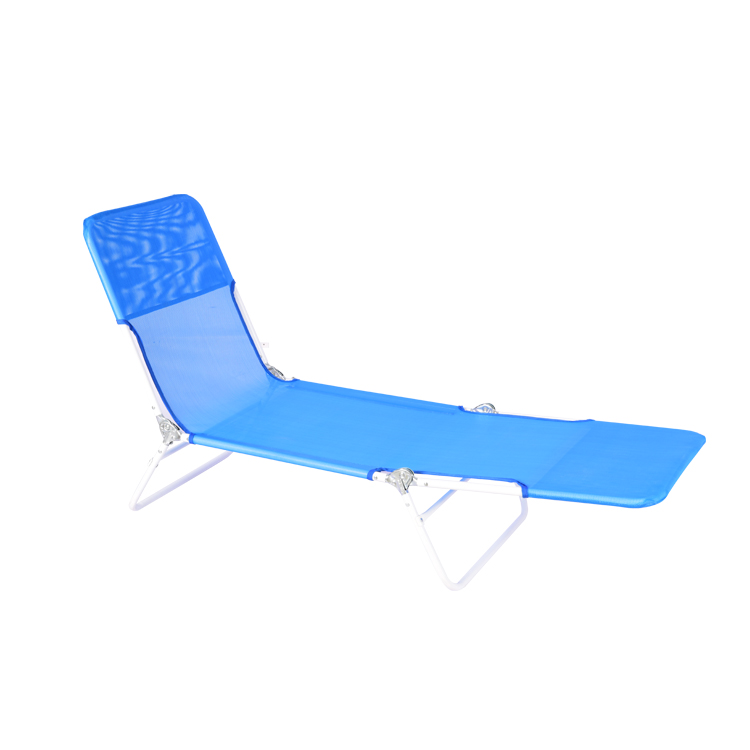
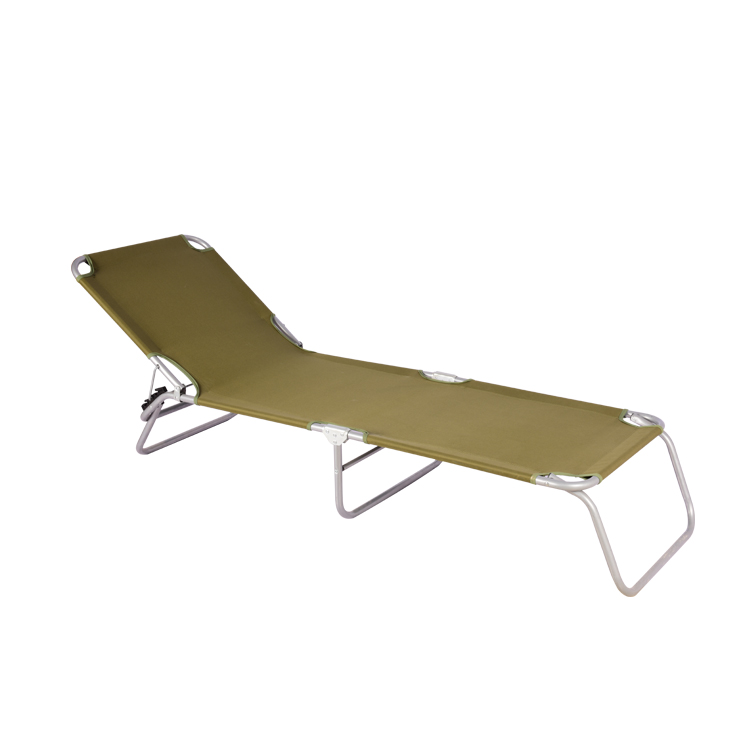
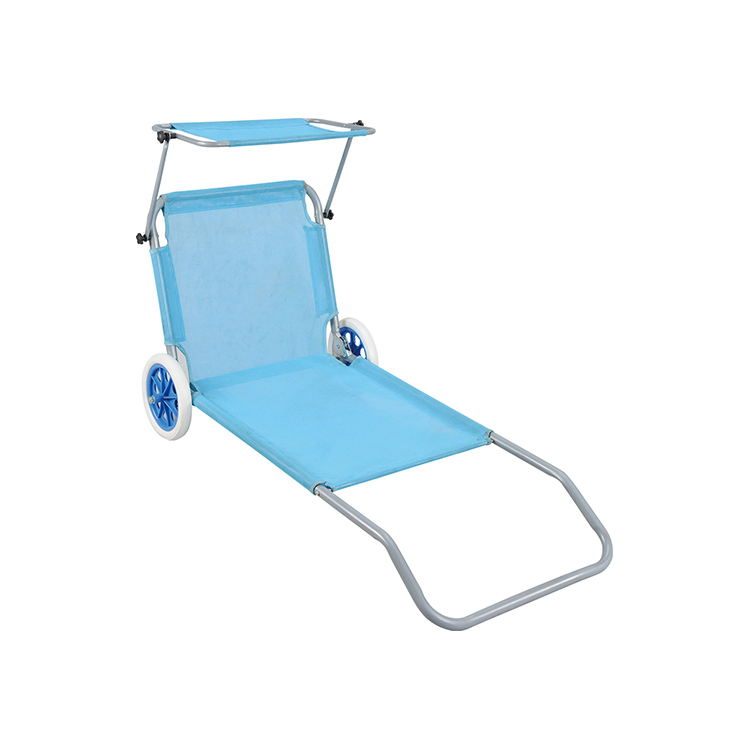
- Reclining Lounge Chair (Sun Lounger): A long chair (120-180 cm) with adjustable backrest positions, typically from 90 degrees (upright) to 180 degrees (flat). The frame is steel or aluminium. The fabric is Textilene (PVC-coated polyester mesh) or padded polyester. Used for poolside, garden, or balcony lounging. Weight is 6-12 kg. Some models include wheels for moving.
- Rocker Chair (Porch or Camping Rocker): A folding chair with curved base tubes that allow the chair to rock. The rocking motion is produced by the chair's legs flexing (for lightweight fabric rockers) or by a separate rocker base (for heavier steel rockers). Rocking amplitude is typically 5-10 cm at the seat front. Seat height 45-50 cm. Weight 4-7 kg. Used on porches, decks, and at campsites.
- Folding Stool (Compact Seat): The simplest design: a fabric or plastic seat (25-35 cm diameter) supported by three or four folding legs. No backrest, no armrests. Seat height 35-50 cm. Weight 0.5-1.5 kg. Used for brief sitting (fishing, mushroom picking, waiting in line). Packs into a bag the size of a water bottle.
Material Specifications of Outdoor Leisure Chairs
Frame Materials
Steel is the most common frame material for mid-weight and heavy-duty chairs. Mild steel (Q195 or Q235) has tensile strength of 350-450 MPa. It is inexpensive but rusts easily. Powder coating (60-120 microns) provides corrosion protection. A powder-coated steel frame lasts 3-5 years outdoors before rust appears on scratches. Galvanised steel (zinc coating, 20-40 microns) lasts 5-8 years outdoors but is more expensive. Aluminium (6061 or 6063 alloy) is used for lightweight and beach chairs. Tensile strength is 200-280 MPa, lower than steel, so aluminium tubes have larger diameters (19-25 mm versus 16-22 mm for steel). Aluminium does not rust but can corrode in salt air (pitting corrosion). Anodised aluminium (type II, 10-20 microns) resists pitting for 2-3 years at the beach. Powder-coated aluminium lasts 4-6 years. The tube wall thickness is critical: 0.8-1.2 mm for steel, 1.2-1.8 mm for aluminium. Thinner walls (0.6 mm steel, 1.0 mm aluminium) are found in budget chairs and bend under users over 80 kg.
Fabric and Mesh Materials
Polyester 600D (denier) is the standard seat fabric. It has a tear strength of 50-80 N and tensile strength of 800-1,200 N per 50 mm width. Polyester is UV-resistant (20-30 percent strength loss after 1,000 hours of sunlight). Polyester 1200D is heavier, with a tear strength of 100-150 N. It is used for heavy-duty and double chairs. Oxford fabric (polyester with a textured weave) is common for camping chairs. It dries within 1-2 hours after rain. Nylon is lighter (200-400D) and stronger (tear strength 80-120 N at 210D) but absorbs moisture (3-5 percent of its weight) and degrades faster under UV (40-50 percent strength loss after 500 hours). Nylon is used in backpacking chairs where weight is more important than longevity. Mesh fabrics (polyester or nylon with open weave) provide ventilation but sag over time. A mesh seat will stretch 2-4 cm after 200 hours of use. Textilene (PVC-coated polyester mesh) is used for pool and beach loungers. It is waterproof, UV-resistant (3-5 year life), and supports up to 120 kg. However, it heats up in direct sunlight: surface temperature reaches 55-65°C after 30 minutes, compared to 45-50°C for uncoated polyester. Breathable mesh chairs are cooler (35-40°C) but less durable. For hot, sunny climates, a light-coloured breathable fabric is the most comfortable choice.
Armrest and Joint Hardware
Armrests are made of wood (teak, eucalyptus, or acacia), aluminium, or plastic. Wood armrests (20-30 mm thick) are comfortable and do not heat up in the sun, but they require annual oiling (teak oil or linseed oil) to prevent cracking. Aluminium armrests (25-40 mm wide) are durable but heat up (surface temperature 50-60°C in direct sun). Plastic armrests (polypropylene or ABS) are inexpensive but become brittle in cold weather (below 5°C). Joint hardware (hinges, rivets, and screws) is made of steel, stainless steel (304 or 316), or aluminium. Steel hardware rusts, especially in coastal environments; rusted rivets can snap under load. Stainless steel 304 resists rust for 3-5 years outdoors; 316 (marine grade) lasts 10+ years. Bronze or brass bushings at pivot points (0.5-1.0 mm thick) prevent metal-on-metal wear and extend hinge life from 2-3 years to 7-10 years. However, chairs with bronze bushings cost 30-50 percent more than those without.

-
-
 TEL:
TEL:
- +86-13738961469
-
-
-
 EMAIL:
- cnds@cndsgm.com
-
-
-
 ADDRESS:
- Niubei Jincun, Baiyang Sub-district, Wuyi County, Jinhua City, Zhejiang Province, China
-
Outdoor Leisure Products Manufacturer

