


 русский
  Español
  Deutsch
How a Vacation Beach Bed Replaces Uncomfortable Sand Lying
Sand shifts under your weight, retains heat through the afternoon, and clings to skin and fabric regardless of how carefully you arrange a towel. After a short time lying directly on the ground, most people find themselves adjusting position repeatedly — trying to find a level surface that does not exist on a natural beach. The discomfort is predictable, and it gradually shortens how long people are willing to stay in place. A Vacation Beach Bed addresses each of these problems structurally rather than cosmetically: it creates a defined, stable, and elevated surface between the body and the sand, changing the resting experience from something tolerated to something genuinely comfortable.
Why Sand Lying Falls Short as a Rest Surface
The Surface Is Never Level or Stable
Beach sand compresses unevenly under body weight. Hip bones, shoulder blades, and heels sink at different rates, creating pressure points that become uncomfortable within minutes. Shifting position to relieve one pressure point often creates another, and the overall experience is one of managed discomfort rather than actual rest.
Towels and thin mats do nothing to solve this problem — they conform to the same uneven surface underneath and provide only a thin layer of material between skin and ground.
Heat Transfers Through Direct Contact
Sand absorbs significant heat from the sun and holds it through the afternoon hours. Direct ground contact transfers that stored heat into the body, which is tiring and dehydrating over time. A towel does not provide meaningful insulation against a hot sand surface in peak daytime conditions.
Elevating the body above the sand — even by a modest amount — interrupts this heat transfer pathway. Air circulation beneath the resting surface removes heat rather than storing it.
Sand Adheres to Everything
The fine texture of beach sand means it adheres to sunscreen-covered skin, fabric, and hair with minimal effort. Lying directly on sand or a thin mat guarantees contamination of personal items, clothing, and body — a problem that persists well after leaving the beach. For families with children, this compounds quickly.
A contained, elevated resting surface keeps the body out of direct sand contact, significantly reducing the amount of sand that transfers to skin, fabric, and bags.
What a Vacation Beach Bed Actually Provides
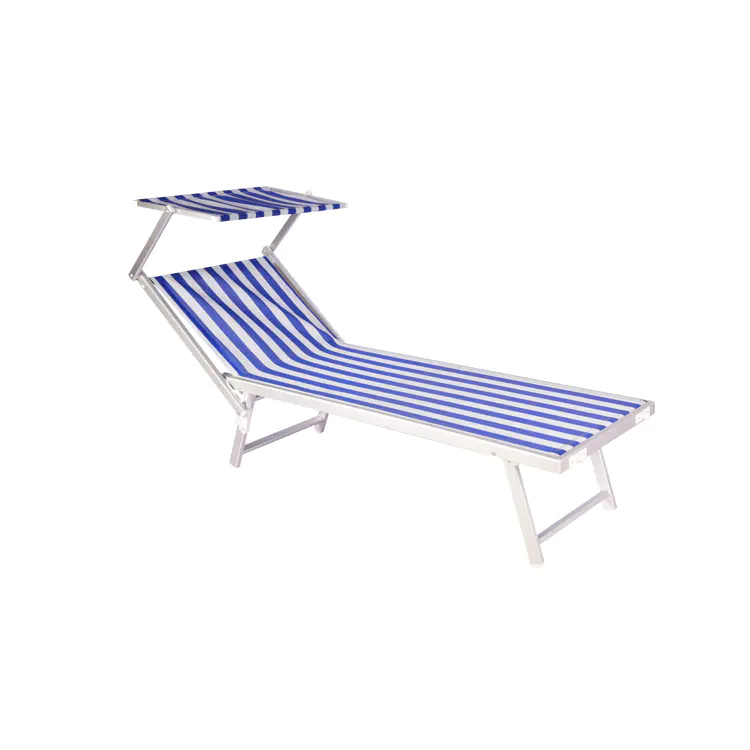
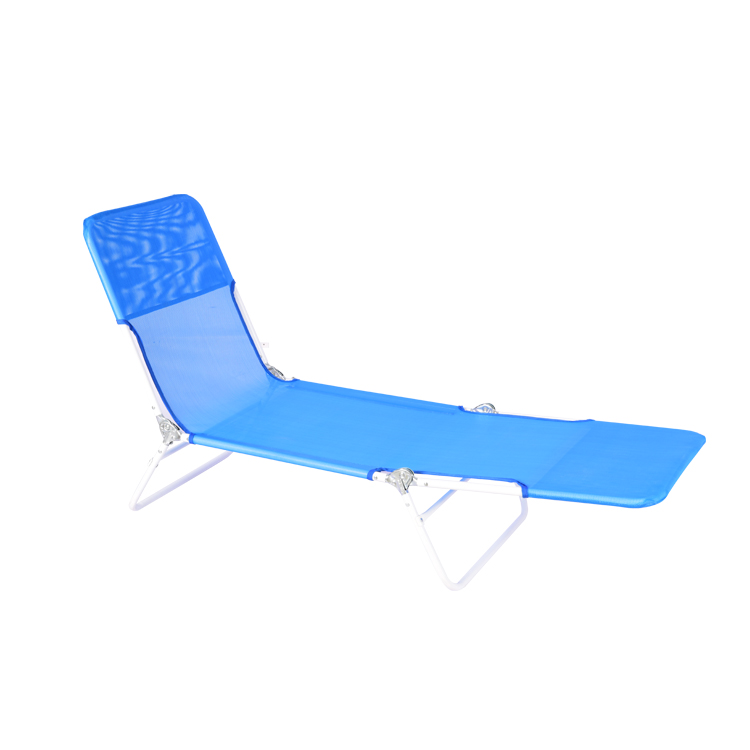
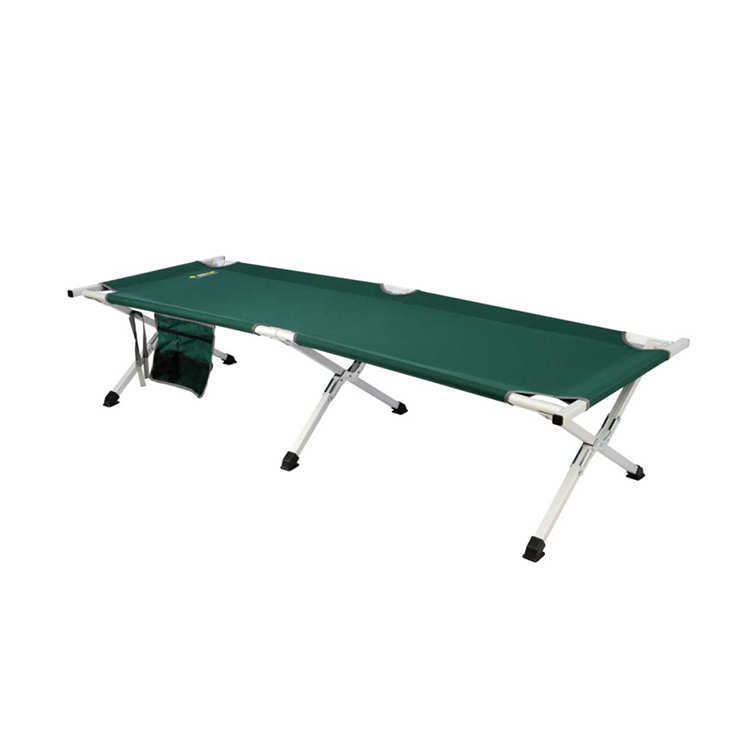
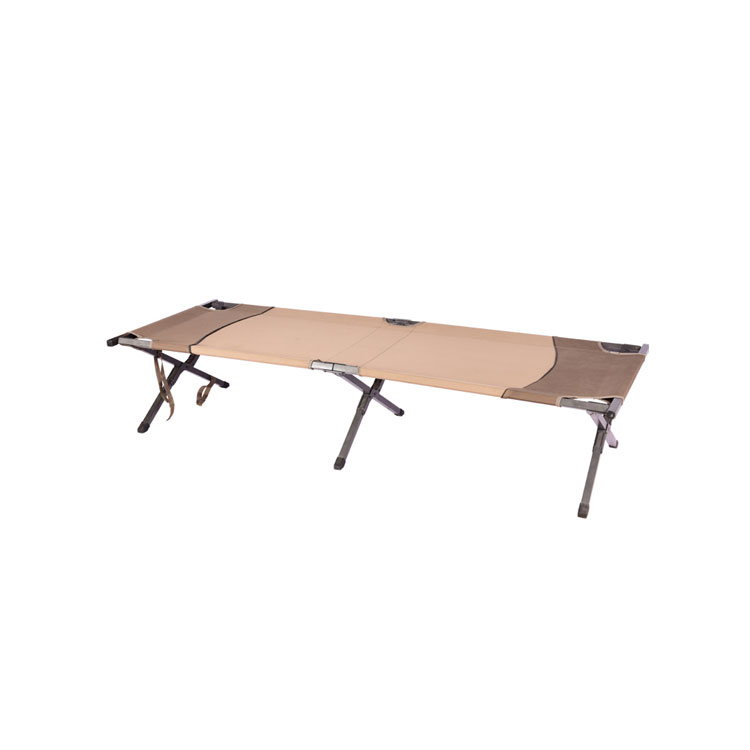
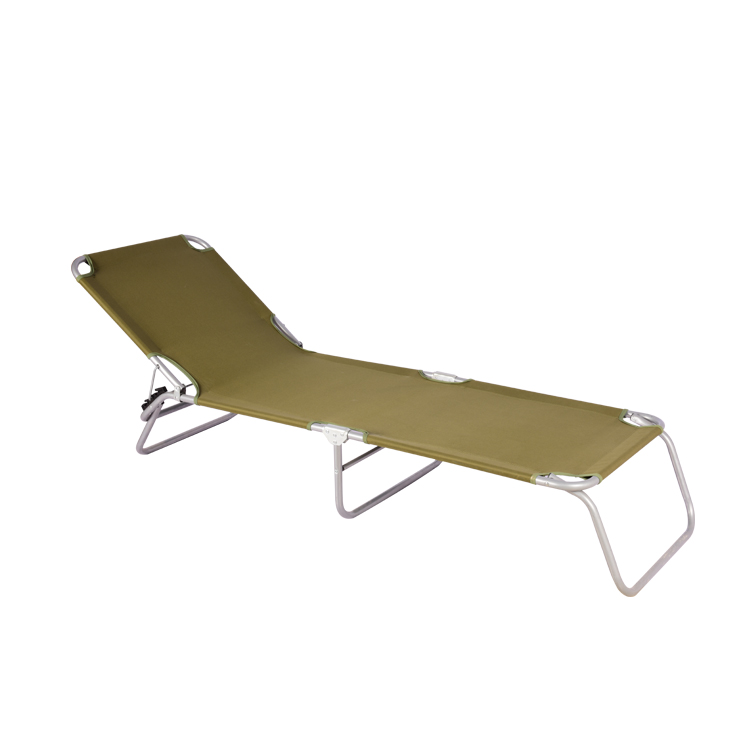
A Vacation Beach Bed is an inflatable or foldable resting platform designed for outdoor leisure use, particularly on sand, grass, or similar natural surfaces. It provides a defined lying or lounging surface with enough structural support to distribute body weight comfortably without direct ground contact.
Key functional characteristics:
- Elevated surface: Creates physical separation between the body and the ground, interrupting heat transfer and sand contact
- Distributed support: Spreads body weight across a broad area rather than concentrating it at pressure points
- Stable geometry: Maintains a consistent surface profile rather than deforming under shifting weight
- Portability: Deflates or folds into a compact carry form that fits in a beach bag or backpack
- Self-contained: Does not require external infrastructure — no posts, frames, or anchor points
Unlike a beach chair or lounger, a beach bed allows a lying position — which is the posture most people actually want for extended rest and sunbathing — without requiring a fixed folding structure.
How Does It Compare to Other Common Beach Resting Options?
| Resting Option | Ground Contact | Heat Insulation | Sand Adhesion | Portability | Lying Position |
|---|---|---|---|---|---|
| Towel on sand | Direct | None | High | Very easy | Yes, with discomfort |
| Beach mat | Near-direct | Minimal | Reduced | Easy | Yes, with some support |
| Folding beach chair | None | N/A | None | Moderate | Partial — reclined only |
| Hammock | None | N/A | None | Easy | Yes, but requires anchor points |
| Vacation Beach Bed | None | Active — air gap | None | Easy | Full lying position |
The combination of a full lying position with genuine ground separation and portability is what distinguishes this category from the alternatives. Folding chairs provide comfort but not a lying position. Hammocks require trees or poles. Towels and mats provide a lying position but do not solve the heat or pressure point problems.
What Makes Inflation the Right Construction Approach?
Most Vacation Beach Beds use an air-filled chamber as the structural core. Inflation creates a rigid but conforming surface through air pressure — the chamber holds its shape under load while the surface material distributes contact across the full resting area.
Practical advantages of air-based construction:
- Compact storage: Deflated, the product folds to a fraction of its in-use size — making it genuinely portable rather than just nominally portable
- Adjustable firmness: Partial inflation allows the user to tune the surface firmness to preference — firmer for back support, softer for a more cushioned feel
- Self-insulating: The air chamber itself acts as an insulating layer between the body and the ground, independent of the material temperature
- No rigid components: Without metal or hard plastic frame elements, the product is lightweight and safe in environments where rigid edges are a problem
Inflation mechanisms vary — some products use a wind-scoop design that fills the chamber through physical movement without a pump; others use a valve system with a standard pump or breath inflation. Both approaches work; the choice affects setup time and convenience.
Which Scenarios Benefit from a Beach Bed Over Direct Sand Lying?
Extended Sunbathing Sessions
For anyone spending several hours in a static resting position, the difference between direct sand contact and a supported surface becomes pronounced over time. Pressure point discomfort accumulates. A beach bed maintains comfort across the full duration rather than degrading after the first thirty minutes.
Families with Young Children
Children are particularly susceptible to sand in clothing, eyes, and food. A defined, elevated resting surface for parents and children gives a consistent clean zone on an otherwise sandy beach. It also creates a clear home base that is easier to manage than a spread-out towel.
Outdoor Festivals and Camping
Vacation Beach Beds are not limited to beach environments. They perform equally well on grass at outdoor events, in campsites, on lake shores, and at picnic areas. The underlying function — elevated, portable resting surface — applies across outdoor leisure contexts.
Travel Packing Constraints
For travelers with limited luggage space, a deflating beach bed represents a meaningful upgrade over a bulky folding chair without sacrificing the resting experience. The packed volume of an inflatable beach bed is typically comparable to a large water bottle, fitting into carry-on luggage or a day pack.
What Should You Look for When Evaluating Beach Bed Options?
Material Durability
The outer material needs to withstand UV exposure, salt water, abrasion from sand, and repeated inflation and deflation cycles. PVC and reinforced nylon are common choices for the outer shell — both handle outdoor conditions well, though the specific formulation and thickness affect long-term performance.
Look for:
- UV-stabilized material that resists fading and brittleness from sun exposure
- Welded or sealed seams rather than stitched seams, which are more resistant to moisture ingress
- Material thickness sufficient to resist puncture from shells or debris on the beach surface
Inflation System Convenience
The inflation method affects how quickly the product is usable after arriving at the beach. Wind-scoop designs are convenient — they fill passively by walking into the wind — but require enough breeze to function. Pump or valve systems work in calm conditions but require carrying additional equipment.
Consider:
- How long inflation takes under typical conditions
- Whether the inflation method works without tools or accessories
- How reliably the valve holds pressure over several hours of use
Packed Size and Weight
A beach bed that is inconvenient to carry will be left behind. The deflated dimensions and weight should be genuinely compatible with the intended carry method — beach bag, day pack, or luggage.
Surface Area and Load Capacity
The usable lying surface should accommodate the intended user comfortably in a full lying position. Wider surfaces are more comfortable but deflate to a larger packed size. Load capacity should be verified against the intended user weight.
How to Set Up a Vacation Beach Bed in Practice
The setup process varies by product type, but the general sequence for an inflatable beach bed is straightforward:
- Select a location with relatively smooth sand — large shells, sticks, or stones beneath the product will concentrate stress on the shell material
- Unfurl the deflated product fully before beginning inflation to ensure even filling
- Inflate using the appropriate method — wind scoop, pump, or breath — until the surface is firm but not rigid; slight give under pressure is normal
- Position the product with the head end upwind if there is a breeze, which keeps sand from blowing into the face during use
- Adjust firmness after the first few minutes of use — body weight redistributes air slightly, and a small top-up may be needed
- Deflate completely before packing, rolling or folding from the valve end to remove all air before storing
Maintenance and Care Considerations
A well-maintained inflatable beach bed lasts across multiple seasons without significant performance degradation.
- Rinse with fresh water after each beach session to remove salt and sand, which accelerate material wear if left on the surface
- Dry completely before storing — moisture trapped inside an inflatable product during storage promotes material deterioration and odor
- Store away from direct sunlight when not in use — UV exposure during storage degrades material faster than during active use
- Inspect the valve and seams periodically for early signs of wear — slow leaks through valve or seam degradation are typically repairable with standard patch kits before they become significant
The shift from lying directly on sand to using a Vacation Beach Bed is not about luxury — it is about making a basic outdoor resting experience functional for the full duration of a beach day. The structural separation from the ground, the distributed support across the body, and the portability that makes it practical to carry all address real discomfort rather than marginal inconveniences. For suppliers and retailers sourcing this category, the product range extends across different materials, inflation methods, sizes, and surface finishes, and the procurement decision involves matching those variables to the end-use context. Wuyi Dasheng Leisure Products Co., Ltd. manufactures inflatable leisure products for outdoor and vacation use, including beach beds and portable lounging solutions across a range of configurations and materials. If you are evaluating product specifications for a retail line, sourcing for a hospitality or resort program, or looking for a supplier with flexible production capacity across different design requirements, reaching out to their team is a practical starting point.

-
-
 TEL:
TEL:
- +86-13738961469
-
-
-
 EMAIL:
- cnds@cndsgm.com
-
-
-
 ADDRESS:
- Niubei Jincun, Baiyang Sub-district, Wuyi County, Jinhua City, Zhejiang Province, China
-
Outdoor Leisure Products Manufacturer

