


 русский
  Español
  Deutsch
More Than a Seat: Reclining Camping Chairs Bring Adjustable Comfort Outdoors
Outdoor activities rarely involve the same sitting position for an entire day. A camper may sit upright during breakfast, lean back while reading, and recline further during an afternoon break. A fixed chair cannot provide the same posture across these activities. This is where adjustable outdoor seating becomes useful.
At Dasheng, we develop reclining outdoor camping chairs around this change in use. Our focus goes beyond adding a reclining mechanism. Backrest angles, frame stability, seat fabric, foot support, and folded dimensions all need to work together so the chair remains comfortable without becoming difficult to transport.
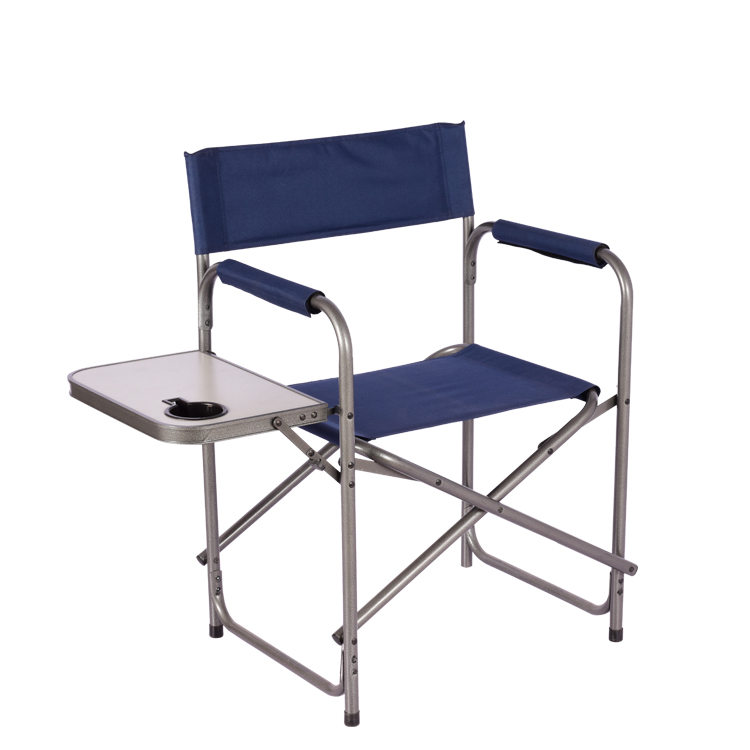
1. Useful Recline Angles Make a Difference
A reclining chair does not need a large number of positions simply to increase its specification list. Each angle should serve a practical purpose.
| Position | Suitable Activity | Key Requirement |
| Upright | Eating and conversation | Firm back support |
| Moderate recline | Reading and relaxing | Balanced back support |
| Deep recline | Resting and napping | Head and leg support |
Current outdoor chairs show several approaches. One model provides three positions at 103°, 112°, and 132°, while another offers 90°, 110°, and 130° positions.
We use the intended activity as a reference rather than adding adjustment points without a clear purpose.
2. The Reclining Mechanism Needs Controlled Movement
Once a backrest becomes adjustable, the side joints and locking structure become important parts of the chair. The mechanism should allow users to change positions without excessive movement after the adjustment is complete.
Key Structural Points
- Clearly defined reclining positions.
- Secure locking points.
- Stable side joints.
- Simple adjustment operation.
- Frame balance across different angles.
Some current models use push-button adjustment systems, while others rely on different side-frame mechanisms. The important consideration is that the mechanism remains practical during repeated use.
3. Footrests Turn a Chair Into a Lounger
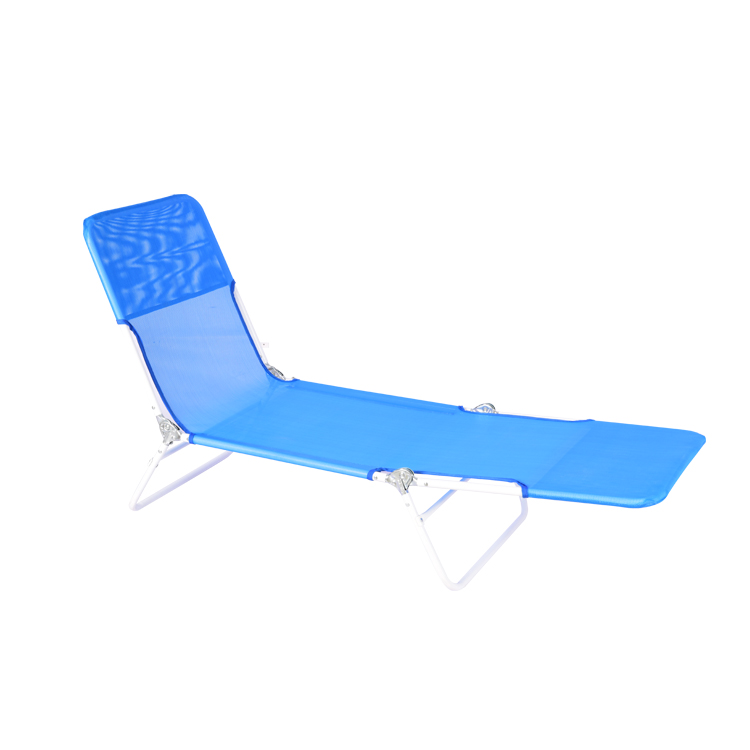
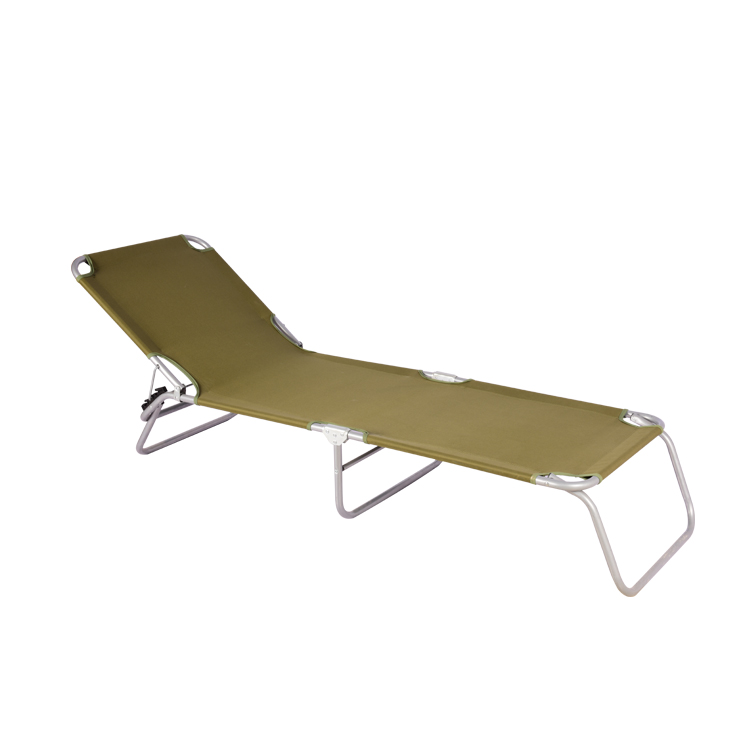
A reclining backrest supports the upper body, but deeper reclining can leave the legs without enough support. A detachable footrest provides another level of flexibility.
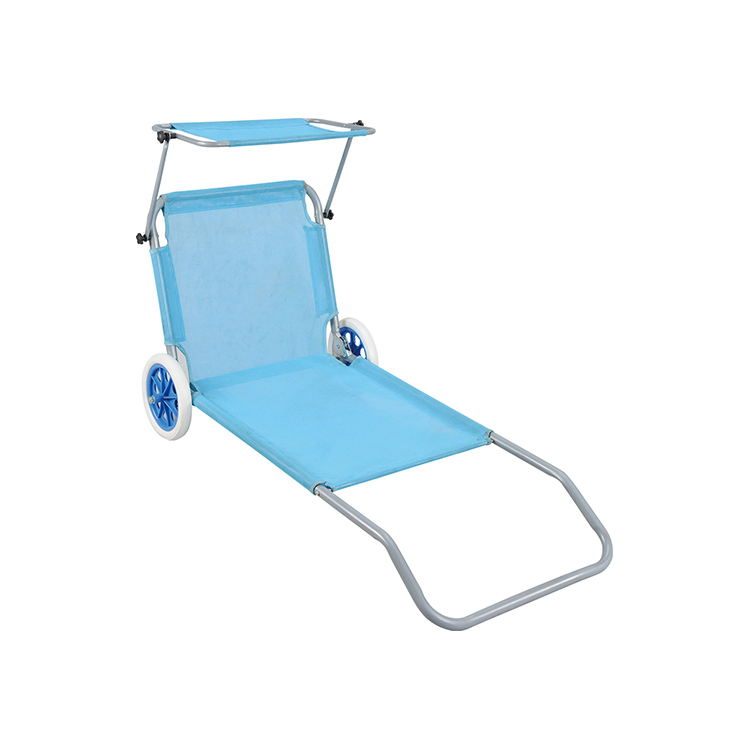
Current reclining camping chairs commonly use removable footrests. One design, for example, changes from a standard chair into a longer lounge configuration with a footrest extending the overall length to about 60 inches.
We see this as a useful two-mode structure:
- Chair mode: suitable for meals, conversation, and general campsite use.
- Lounge mode: adds leg support for reading or longer rest periods.
Detachable components also allow the chair to maintain a more compact configuration during transportation.
4. Fabric Determines How the Recline Feels
The metal frame provides the structure, but the fabric determines how the body interacts with it. Outdoor reclining chairs commonly combine polyester, Oxford fabric, and mesh.
One current model uses breathable mesh together with 600D Oxford fabric, while another uses a reinforced carbon-steel frame with outdoor fabric.
| Material | Product Function |
| Oxford fabric | Structured seating and wear resistance |
| Mesh | Airflow around the back and seat |
| Padded fabric | Additional cushioning |
We consider fabric tension as well as material type. The seating surface needs to provide consistent support as the backrest moves through different positions.
5. Stability Should Continue Through the Recline
A chair behaves differently as the user leans backward. The load distribution changes, making the frame footprint, joints, and ground-contact points important.
Outdoor surfaces add another variable. Camping chairs may stand on grass, soil, sand, or uneven ground. Some current models use cross-shaped frames and anti-slip feet to improve stability across different surfaces.
At Dasheng, we therefore consider:
- Leg spacing.
- Frame tube structure.
- Joint reinforcement.
- Ground-contact design.
- Balance at different reclining angles.
6. Portability Still Matters
Extra features can increase product size and weight. Reclining mechanisms, footrests, headrests, and reinforced frames all need to fit within a portable structure.
Current products illustrate different approaches. One reclining camping chair weighs around 8.8 lb and folds to approximately 6 × 6 × 37 inches, while another model weighs 13.9 lb and folds to approximately 9.8 × 7.9 × 36.6 inches.
These differences show why portability needs to be considered alongside comfort. A chair designed for car camping may accommodate more features than one intended for longer-distance carrying.
7. Small Details Add Practical Value
Reclining is the central function, but supporting features can improve everyday outdoor use.
- Headrest: supports the neck during deeper reclining.
- Cup holder: keeps drinks within reach.
- Side pocket: stores phones, books, or small items.
- Carry bag: simplifies transportation and storage.
These features already appear across current reclining outdoor seating, showing that buyers increasingly evaluate the complete chair rather than the backrest mechanism alone.
How We Approach Reclining Camping Chair Development
At Dasheng, our outdoor leisure seating range covers camping chairs, folding leisure chairs, lounge chairs, and related products. For a reclining model, we consider the complete product structure rather than treating each feature separately.
Our review can cover:
- Backrest adjustment range.
- Seat dimensions and height.
- Frame material and structure.
- Fabric and mesh configuration.
- Footrest design.
- Folded dimensions and product weight.
- Accessories and packaging.
Comfort Comes From More Than Reclining
A reclining camping chair becomes useful because it can adapt to different moments outdoors. Upright seating supports meals and conversation, moderate reclining suits reading or sightseeing, while a deeper position can provide a more relaxed break.
At Dasheng, we bring these functions together through frame geometry, adjustable mechanisms, fabric construction, leg support, and folding design. Current market products show that three- and four-position systems, detachable footrests, breathable mesh, and compact folding structures can be combined within one portable chair.
For buyers developing reclining outdoor camping chairs, the key product consideration is not simply how far the backrest reclines. The complete chair needs to remain supportive, stable, practical, and portable across the different positions.

-
-
 TEL:
TEL:
- +86-13738961469
-
-
-
 EMAIL:
- cnds@cndsgm.com
-
-
-
 ADDRESS:
- Niubei Jincun, Baiyang Sub-district, Wuyi County, Jinhua City, Zhejiang Province, China
-
Outdoor Leisure Products Manufacturer

