


 русский
  Español
  Deutsch
Casual Folding Chairs: Does Seat Height Change Everyday Comfort
A folding chair may appear simple. A few extra inches can change how it feels when you sit on it every day. The height of a folding chair’s seat changes where the hips, knees, feet and arms are positioned. It also changes how easy it is for a person to sit down or stand up from a folding chair. Because of this seat height is a specification for a folding chair, not just a small detail.
At Dasheng we build outdoor leisure seating with real-life use in mind. Our casual folding chairs are made for moments—garden parties, outdoor meals, camping trips, balcony breaks, patio relaxation, picnics and temporary seating needs. We don’t just focus on one feature like comfort. We look at seat height with seat depth, frame shape, backrest angle, fabric tightness and how compact the chair folds. This way every detail works together to make the chair better for people in real situations.
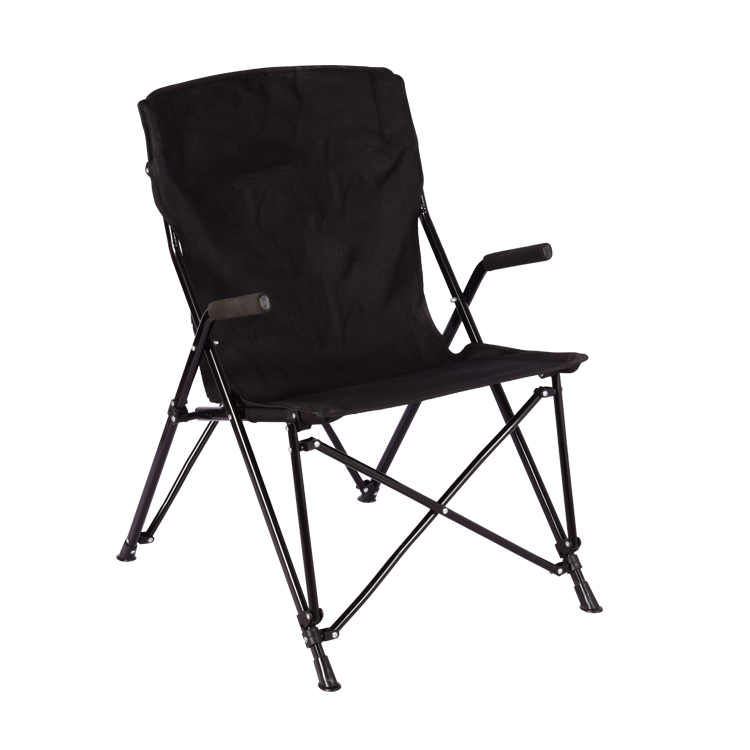
1. Why Seat Height Changes the Sitting Experience
Seat height determines how far the body sits above the ground. A chair that is too low can place the knees higher relative to the hips and make standing more demanding. A taller seat can make sitting down and getting up easier, while also creating a different leg position.
Standard folding chairs commonly sit around 17–18 inches from the floor. One current commercial folding chair specification lists an actual seat height of 17¾ inches, with a 17 × 18-inch seat and an 18-gauge steel frame.
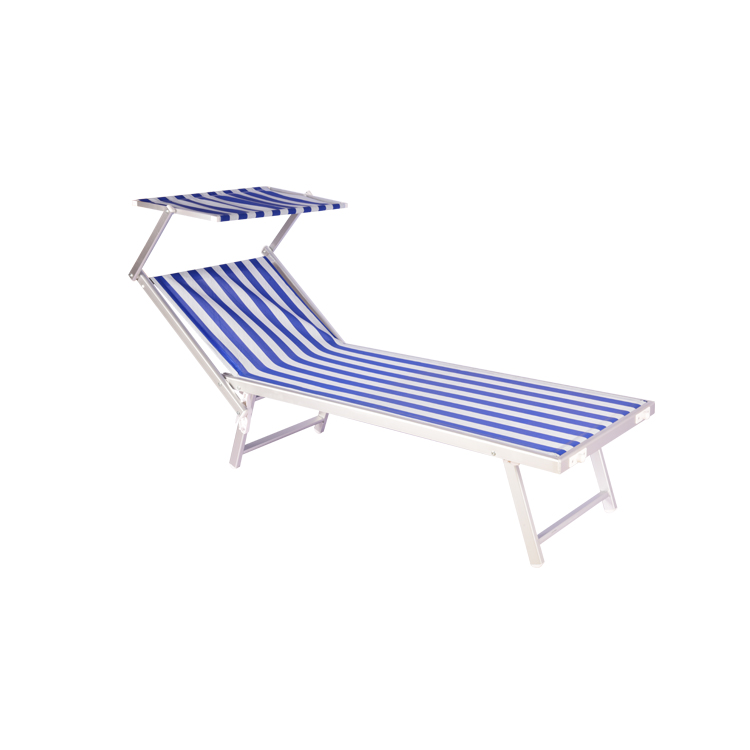
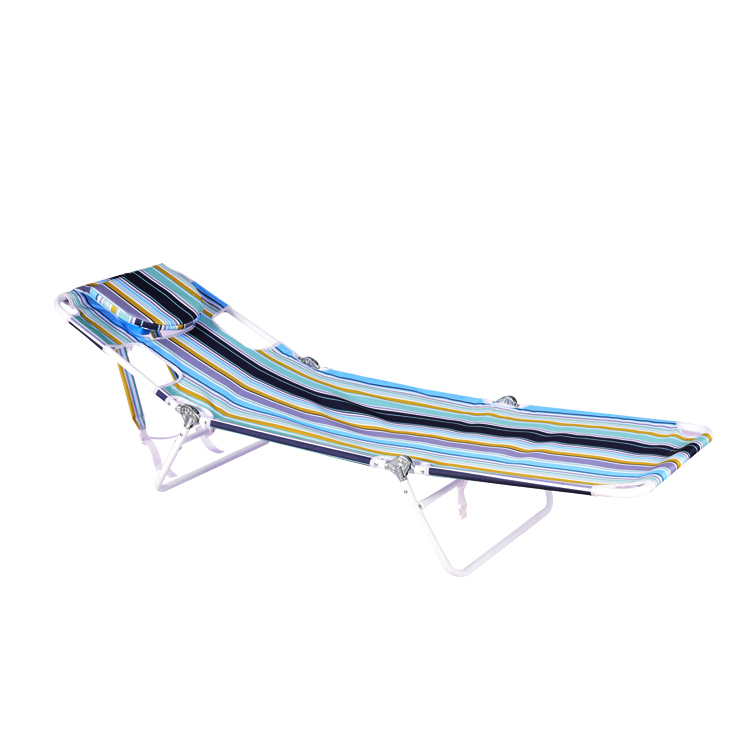
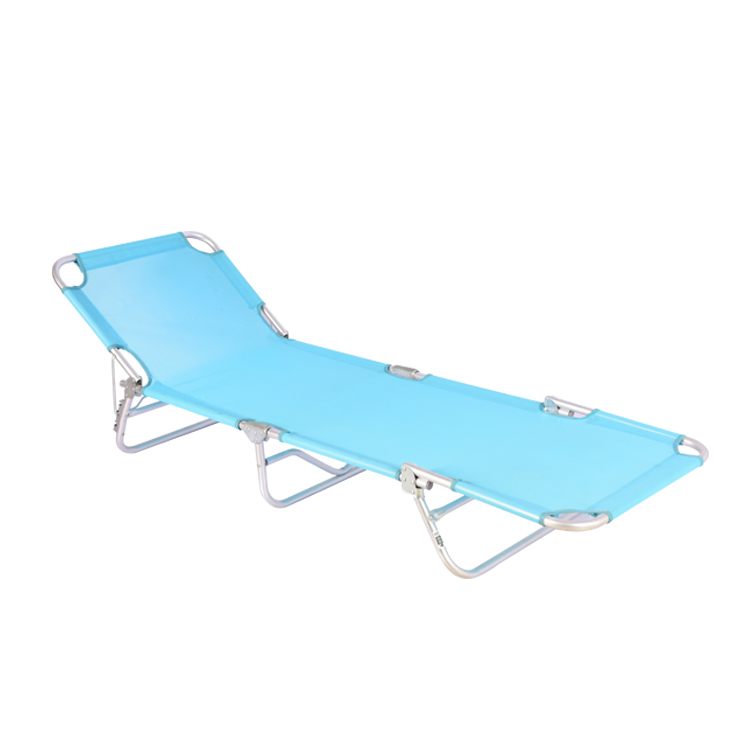
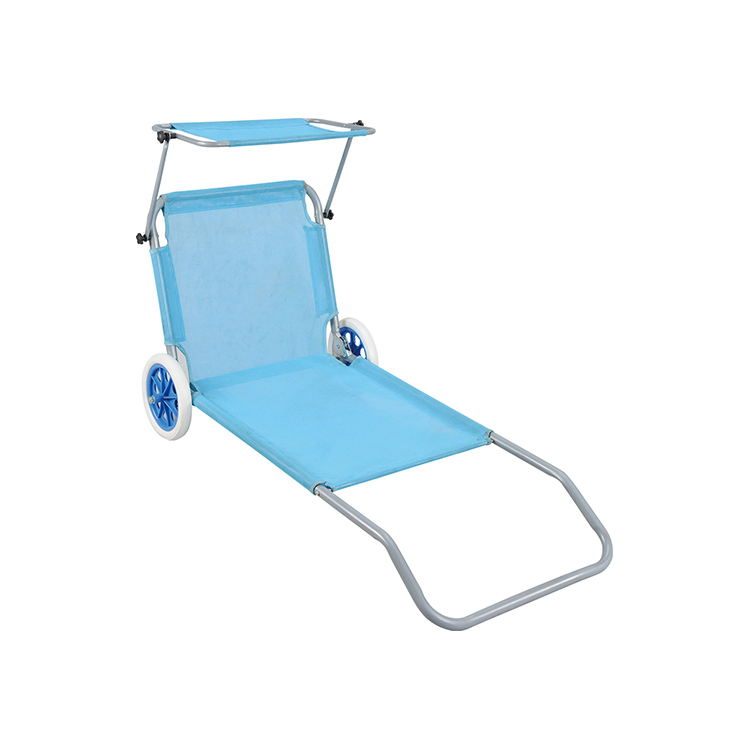
Outdoor seating does not follow one fixed dimension, though. Some lightweight aluminum folding chairs use a seat height of approximately 15.5 inches, while beach-oriented designs may sit around 10 inches from the ground.
These differences reflect different purposes rather than a simple good-or-bad distinction.
2. Three Seat-Height Zones for Different Uses
| Approximate Seat Height | Typical Application | Seating Character |
| 10–14 inches | Beach, low lounge, relaxed outdoor use | Lower sitting position with a closer-to-ground feel |
| 15–16.5 inches | Camping, lawn, casual outdoor seating | Compact and relaxed positioning |
| 17–19 inches | Dining, patio, events, general seating | More upright seating and easier table compatibility |
Published outdoor-chair specifications also show this range. One outdoor seating reference places general camping and picnic chairs around 15–18 inches, while patio dining folding chairs commonly fall around 17–19 inches.
We use these ranges as design references rather than rigid rules. The final dimensions depend on the chair's seat depth, backrest angle, frame structure, intended user group, and application.
3. Seat Height Needs to Match the Table
Casual seating often moves between different environments. A chair may be used beside a dining table during lunch, moved to the lawn after a meal, and folded away later. Table compatibility therefore deserves attention.
Standard dining-height tables are commonly around 29–30 inches high, while folding chairs paired with them often have seat heights around 17–19 inches. A clearance of roughly 10–12 inches between the seat and the underside of the tabletop provides useful legroom according to current folding-furniture guidance.
We pay attention to this relationship during product development because a chair can feel comfortable by itself yet become awkward around a table.
Typical Table and Chair Relationship
- Standard dining table: approximately 29–30 inches
- General folding chair: approximately 17–18 inches seat height
- Counter-height seating: considerably taller seat position
- Low lounge seating: designed around relaxed posture rather than table use
This is particularly relevant for buyers developing coordinated outdoor furniture collections. A chair's dimensions should work with the table rather than being specified separately.
4. Seat Depth Can Change the Effect of Seat Height
Seat height does not work alone. Seat depth changes how the legs are supported and how far the user sits from the backrest.
A seat that is too shallow may provide limited thigh support. A very deep seat can prevent shorter users from placing their back comfortably against the backrest. Current folding-chair references commonly place adult seat depth around 16–18 inches, although actual dimensions vary across chair categories.
Our approach is to consider seat height and seat depth as a combined dimensional system. Increasing one dimension without checking the other can change the entire sitting posture.
| Dimension | Potential User Experience |
| Lower seat + moderate depth | Relaxed position with easier foot contact |
| Mid-height seat + moderate depth | Versatile configuration for daily seating |
| Higher seat + deeper seat | More elevated seating with greater thigh support |
| Higher seat + shallow seat | More upright posture and easier movement around tables |
5. Backrest Position Can Make the Same Seat Height Feel Different
Two chairs may share a 17-inch seat height and still feel completely different. The backrest angle, height, and distance from the front edge influence how the body rests.
A relatively upright backrest supports dining, conversation, and desk-style activities. A slightly reclined structure creates a more relaxed posture for reading or outdoor leisure.
Some current folding-chair designs combine a 17–18-inch seat height with flexible seat and back materials to provide additional movement under body weight. Other folding outdoor models use sling fabric, steel frames, and approximately 17-inch seat heights for patio or dining applications.
Our design work therefore looks at the complete seating profile. Seat height establishes the starting point, while the backrest and seat geometry determine how that height is experienced.
6. Lower Chairs Are Not Simply Smaller Versions
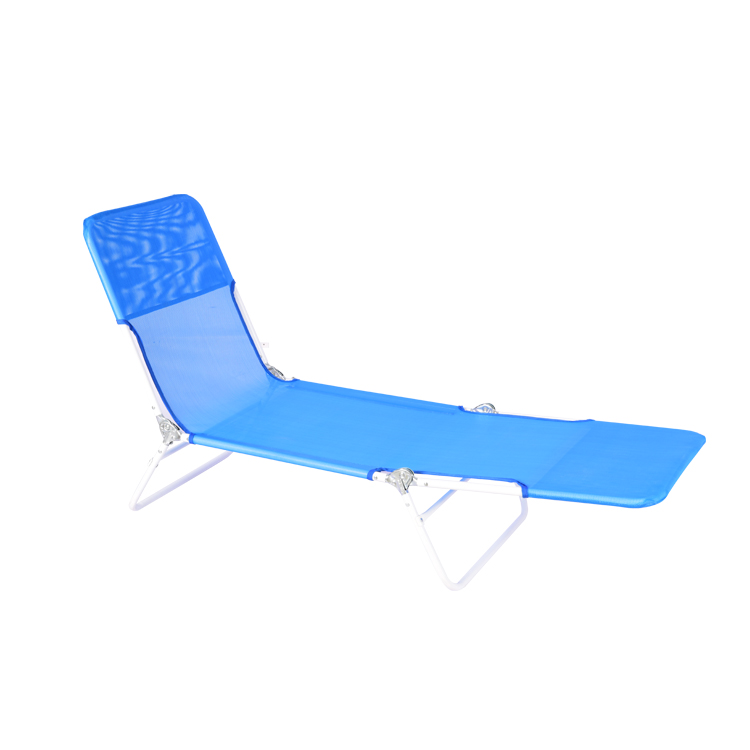
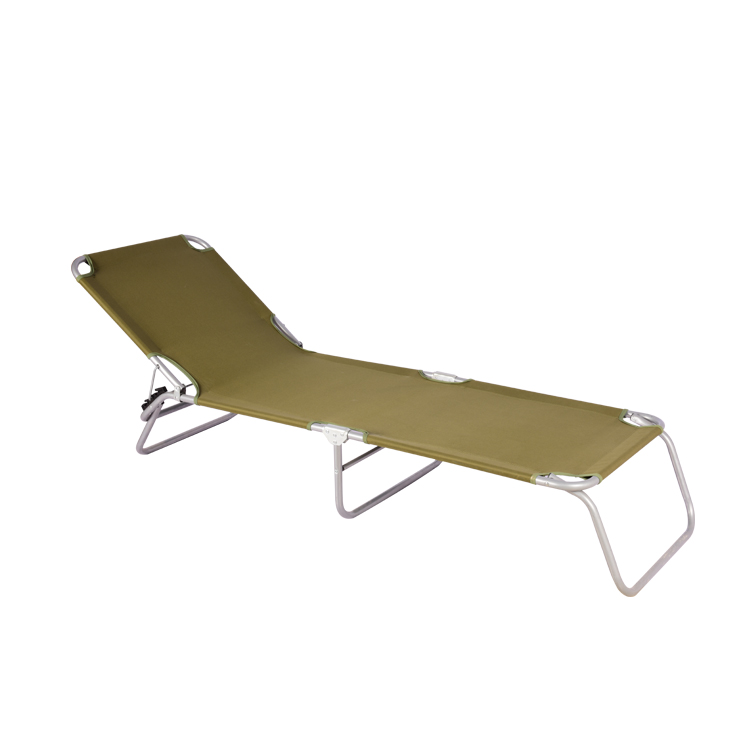
Low-profile folding chairs serve a different purpose from dining-height chairs. Beach and lounge models may place the seat much closer to the ground to create a relaxed seating position. This configuration can work well around open outdoor spaces, but standing up requires more leg movement.
That is why we avoid applying one seat-height specification across every casual folding chair. Camping chairs, picnic chairs, patio chairs, and leisure loungers can require different dimensional relationships.
- Picnic seating: a moderate seat height can make movement between the chair and ground more convenient.
- Patio dining: seat height needs to coordinate with the tabletop.
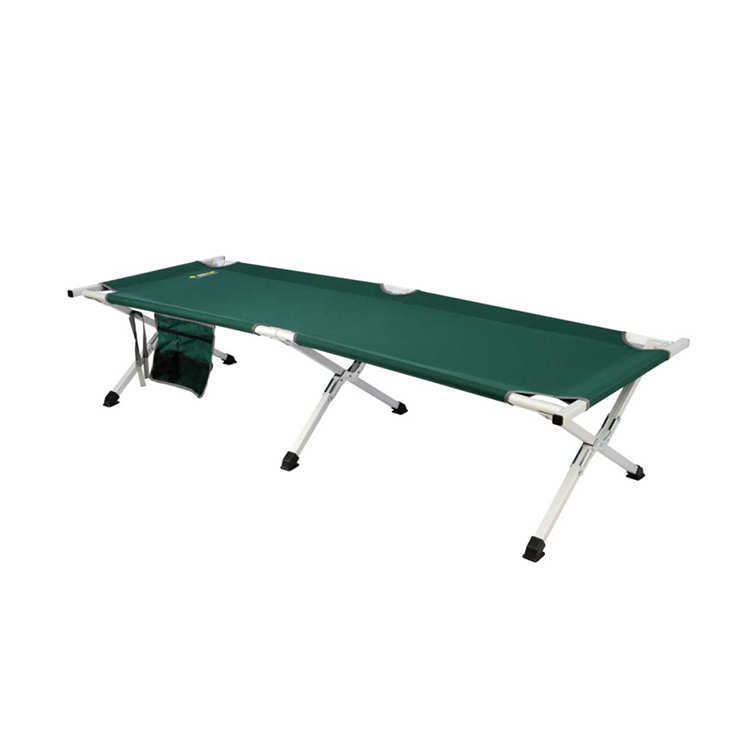
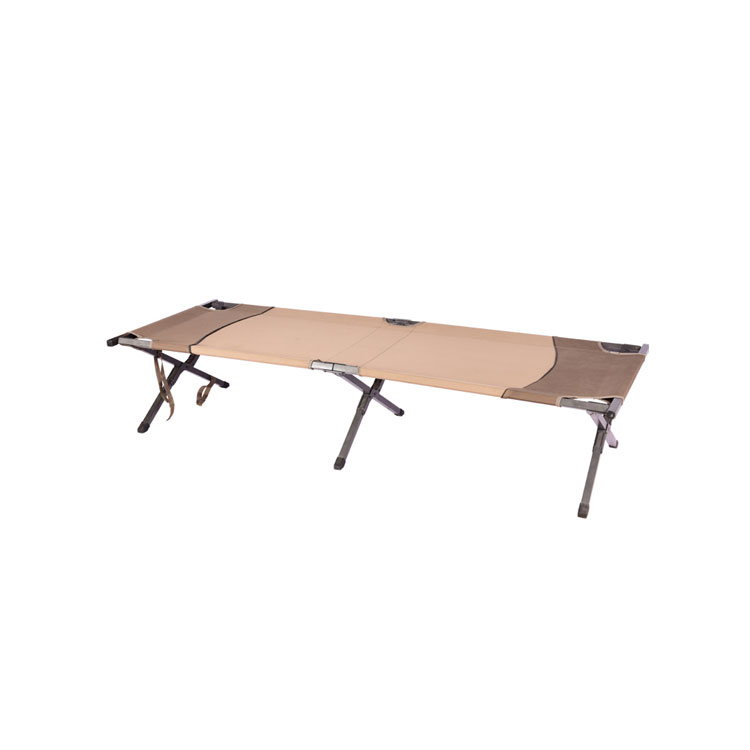
- Camping: portability and ground clearance may influence the overall height.
- Beach lounging: a lower seat can support a more relaxed outdoor posture.
7. Chair Height Also Affects Portability
Folding furniture has another dimensional challenge: the chair needs to work both open and folded.
Increasing seat height can affect leg length, overall chair height, folded dimensions, and package volume. A taller backrest may also increase the folded profile. These changes matter to buyers who transport chairs in vehicles, store them in limited spaces, or purchase them in larger quantities.
One commercial folding chair with an 18-inch seat height has an overall height of 32 inches and a folded profile of approximately 20 × 2¼ × 40 inches. This illustrates why open dimensions and folded dimensions need to be reviewed together.
8. What We Check During Product Development
At Dasheng, we evaluate more than the distance from the floor to the seat surface. A practical chair specification can include:
- Seat height from ground
- Seat width and usable depth
- Backrest height and angle
- Distance between the seat and armrests
- Open chair footprint
- Folded dimensions
- Frame material and tube specification
- Fabric type and tension
- Ground-contact structure
- Chair weight and packaging dimensions
These details help us create different versions for customers with different market requirements. A casual folding chair intended for outdoor dining does not need exactly the same geometry as one developed for camping or leisure use.
9. A Useful Specification Checklist for Buyers
Buyers reviewing casual folding chairs can start with several straightforward questions:
- Is the seat height compatible with the intended table?
- Does the seat depth provide enough thigh support without pushing the user away from the backrest?
- Does the backrest encourage an upright or relaxed sitting position?
- Does the open footprint provide suitable stability?
- Are the folded dimensions practical for storage and shipping?
- Does the frame specification match the intended usage frequency and load?
- Are the seat fabric and frame materials suitable for the target environment?
Comfort Starts With the Complete Chair Geometry
Seat height can certainly change everyday comfort, but it is only one part of the equation. A 17-inch chair, a 15.5-inch outdoor chair, and a low beach chair can all serve useful purposes because each one addresses a different seating position. Current outdoor furniture products demonstrate considerable variation across these dimensions.
At Dasheng, we develop folding leisure seating by connecting seat height with seat depth, backrest geometry, frame structure, folding dimensions, and intended use. Our goal is to make the complete chair work as a product rather than treating one measurement as the answer to every comfort requirement.
For buyers sourcing casual folding chairs, reviewing the full dimensional profile can provide a clearer basis for product development, private-label programs, and outdoor furniture collections. The right seat height is ultimately the one that fits the chair's intended environment, table relationship, body position, and transportation requirements.

-
-
 TEL:
TEL:
- +86-13738961469
-
-
-
 EMAIL:
- cnds@cndsgm.com
-
-
-
 ADDRESS:
- Niubei Jincun, Baiyang Sub-district, Wuyi County, Jinhua City, Zhejiang Province, China
-
Outdoor Leisure Products Manufacturer

