


 русский
  Español
  Deutsch
Is Weight the Real Deal Breaker for Folding Beach Chairs
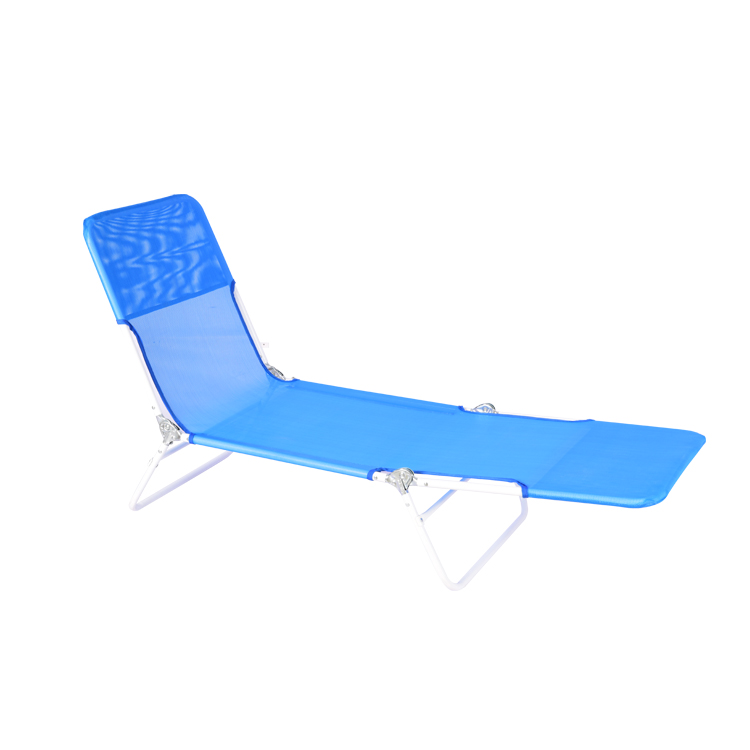
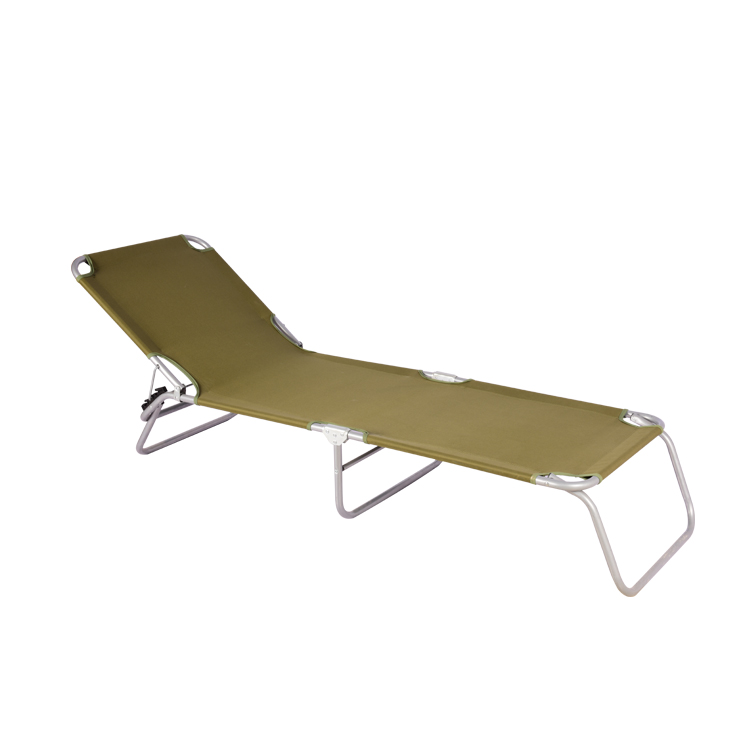
Beach seating has evolved far beyond simple metal frames and fabric slings. Modern folding designs aim to balance portability, comfort, and structural reliability, yet weight still becomes a deciding factor for many users. The real question is not just how light a chair feels in hand, but how that weight connects to stability, usability, and long-term comfort on unstable sand terrain.
Industry reviews consistently show that aluminum-frame beach chairs typically range from 4 to 8 lbs, while steel versions often exceed 9 lbs due to higher material density and reinforcement requirements. That difference may look small on paper, but it changes how the chair behaves during transport and use across uneven shoreline surfaces.
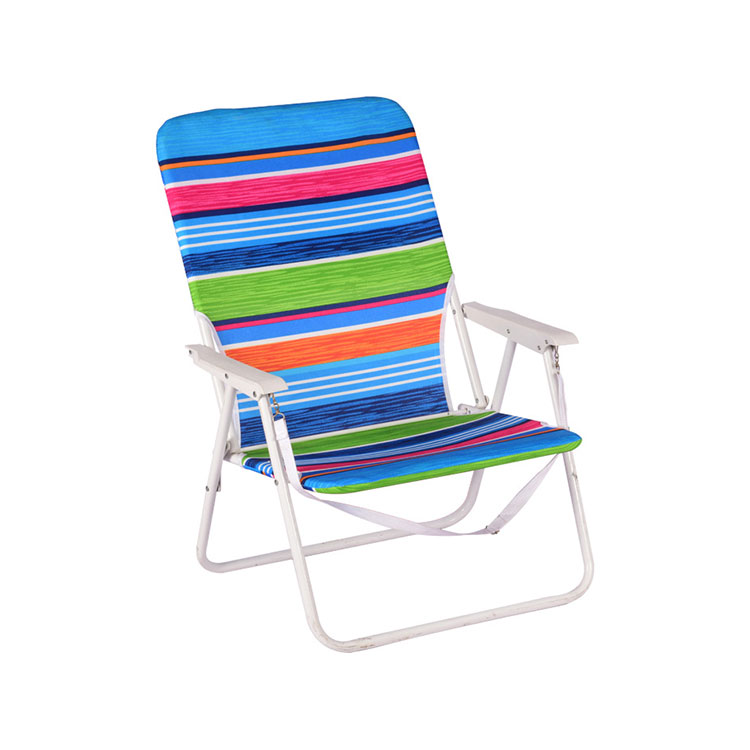
Weight vs Structural Stability on Sand
Sand behaves like a shifting foundation, meaning chair geometry often matters more than raw mass. A heavier chair does not automatically mean better stability, since leg width, foot design, and seat height influence balance more directly.
- Low seat height improves balance by lowering the center of gravity, reducing tilt risk on soft sand surfaces.
- Wide anti-sink feet distribute load and prevent deep sinking regardless of chair weight.
- Frame geometry often outweighs material weight, especially under shifting load conditions caused by movement or wind.
Some lightweight aluminum chairs outperform heavier steel versions simply due to smarter load distribution design rather than mass advantage.
Material Density and Carrying Experience
Weight becomes more relevant during transport than during sitting. Beach access often involves walking across parking lots, boardwalks, or soft dunes, where every extra pound accumulates fatigue over distance.
- Aluminum frames (6061 or similar alloys) typically stay within 4–7 lbs, offering corrosion resistance and easy carry handling.
- Steel frames add durability but usually push total chair mass above 8–10 lbs, increasing shoulder strain.
- Backpack strap systems reduce perceived load, making weight differences less noticeable during short walks.
Field comparisons show that most users begin noticing discomfort after carrying anything above roughly 7–8 lbs for extended beach walks, especially when combined with additional gear like coolers or umbrellas.
Comfort Trade-offs Behind Lightweight Designs
Lighter chairs often raise concerns about reduced durability or comfort, but modern design adjustments have narrowed that gap significantly. Fabric tension systems, reinforced hinges, and angled seating geometry now compensate for lower frame mass.
- Tensioned mesh or vinyl webbing supports body weight while allowing airflow and sand drainage.
- Reinforced hinge points distribute stress to avoid frame flex during recline or shifting posture.
- Load capacity ranges of 250–330 lbs are common even in sub-7 lb aluminum chairs.
Manufacturers such as a Folding Beach Chair Manufacturer often focus on optimizing alloy thickness and joint architecture rather than increasing raw material volume, which keeps weight low without sacrificing usability.
Portability vs Durability Conflict
Weight reduction introduces a constant engineering trade-off: portability versus long-term ruggedness. Steel offers rigidity but sacrifices ease of transport, while aluminum improves mobility but requires smarter reinforcement strategies.
- Steel frames resist deformation under high load but suffer from corrosion in salt-heavy environments.
- Aluminum frames resist rust and simplify transport, but rely heavily on joint design to maintain rigidity.
- Hybrid reinforcement systems (gussets, cross-bracing) help lightweight chairs perform closer to heavier models.
Many users mistakenly equate weight with durability, yet corrosion resistance and joint integrity often determine lifespan more accurately than total mass.
Real Beach Performance Factors Beyond Weight
Practical use on sand reveals that weight is only one part of performance evaluation. Other physical design elements frequently overshadow it during daily use.
- Footprint width determines sinking depth more than frame heaviness.
- Backrest angle stability influences comfort during long sitting periods.
- Fabric breathability impacts heat buildup far more than structural weight differences.
A lighter chair with optimized geometry often feels more stable than a heavier model placed on soft or uneven sand, especially under shifting body positions.
Engineering Perspective on Weight Optimization
From a manufacturing standpoint, reducing weight involves controlled adjustments rather than simple material removal. Tube wall thickness, alloy composition, and hinge reinforcement are carefully tuned to maintain safety margins.
- 6061 and 7075 aluminum alloys are commonly used for strength-to-weight optimization.
- Wall thickness between 1.0–1.5 mm often balances rigidity with portability.
- Load-tested frames exceeding 300 lbs remain achievable even under lightweight construction.
These engineering decisions demonstrate that weight is not simply reduced; it is redistributed through structural design intelligence.
Weight alone does not define whether a folding beach chair performs well or poorly. It influences transport convenience, but stability, geometry, and material selection play equally critical roles in real beach environments.
Modern folding designs prove that lighter construction can still deliver strong load capacity, corrosion resistance, and comfort when engineered correctly. The real decision point lies in understanding how weight interacts with structural design rather than treating it as the sole performance indicator.

-
-
 TEL:
TEL:
- +86-13738961469
-
-
-
 EMAIL:
- cnds@cndsgm.com
-
-
-
 ADDRESS:
- Niubei Jincun, Baiyang Sub-district, Wuyi County, Jinhua City, Zhejiang Province, China
-
Outdoor Leisure Products Manufacturer

