


 русский
  Español
  Deutsch
Do Outdoor Chairs Really Survive Constant Sun and Salt Air Exposure
Outdoor furniture faces a combination of ultraviolet radiation, moisture, airborne salt, wind, and changing temperatures every day. Coastal regions create an even harsher environment because salt particles continuously settle on chair frames, fasteners, and fabrics. Many buyers assume every outdoor chair can tolerate these conditions simply because it is labeled "weather-resistant." Reality tells a different story.
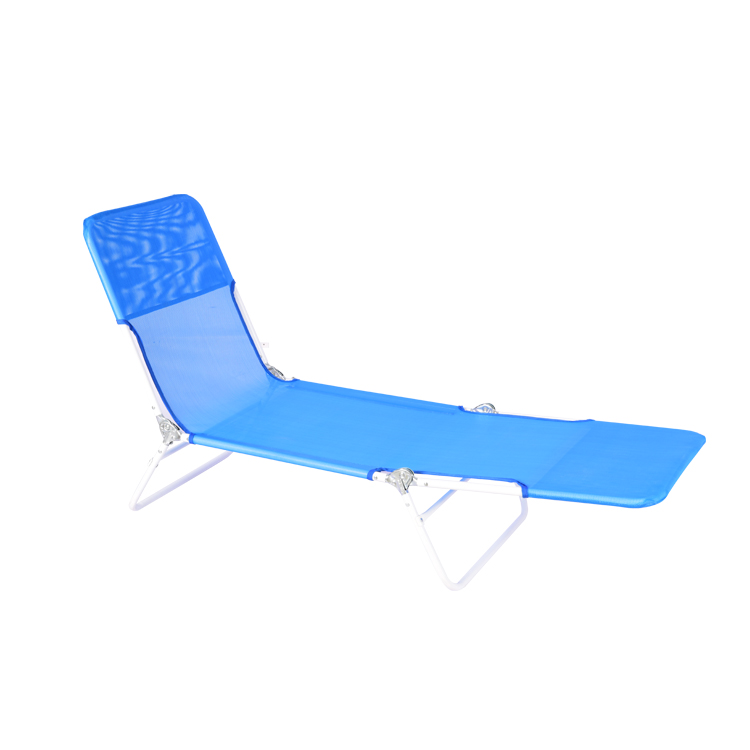
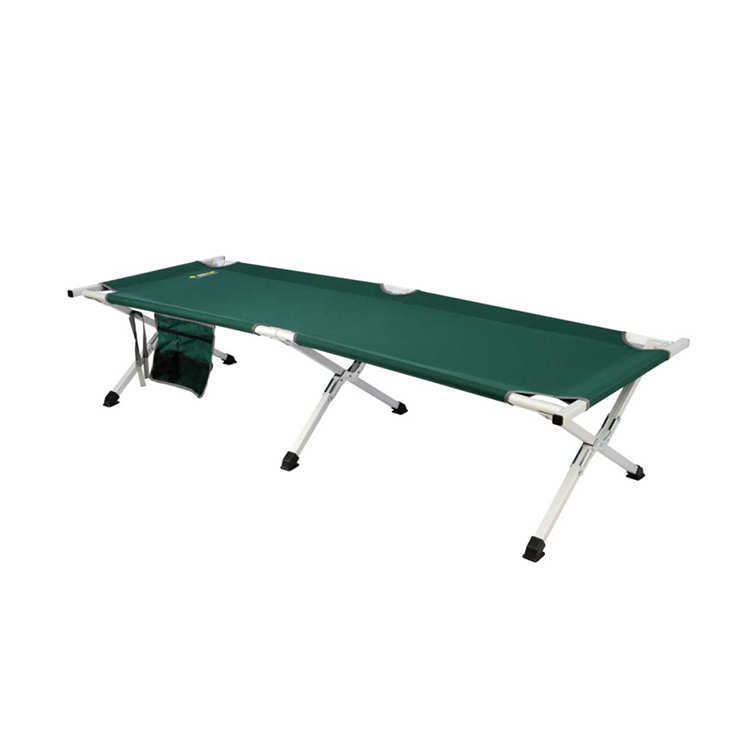
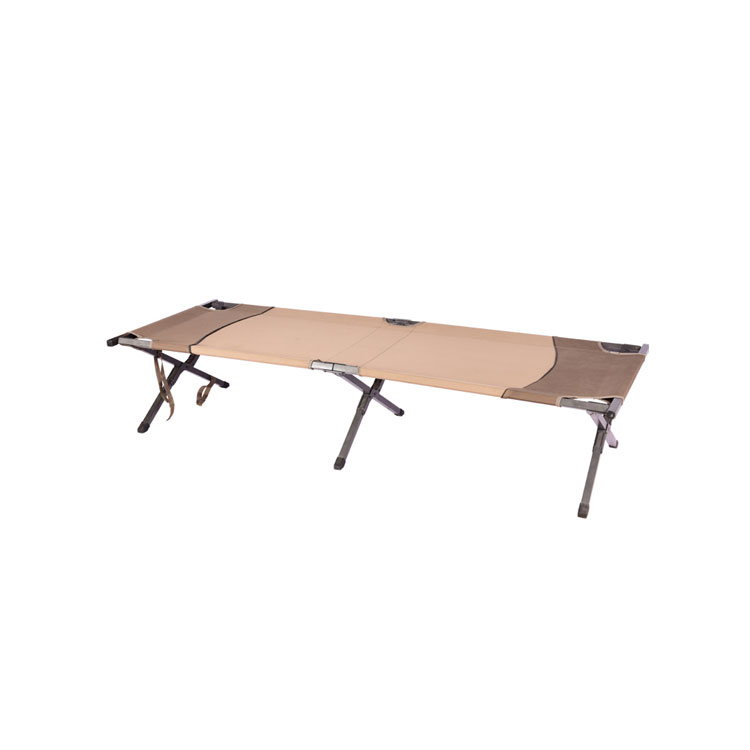
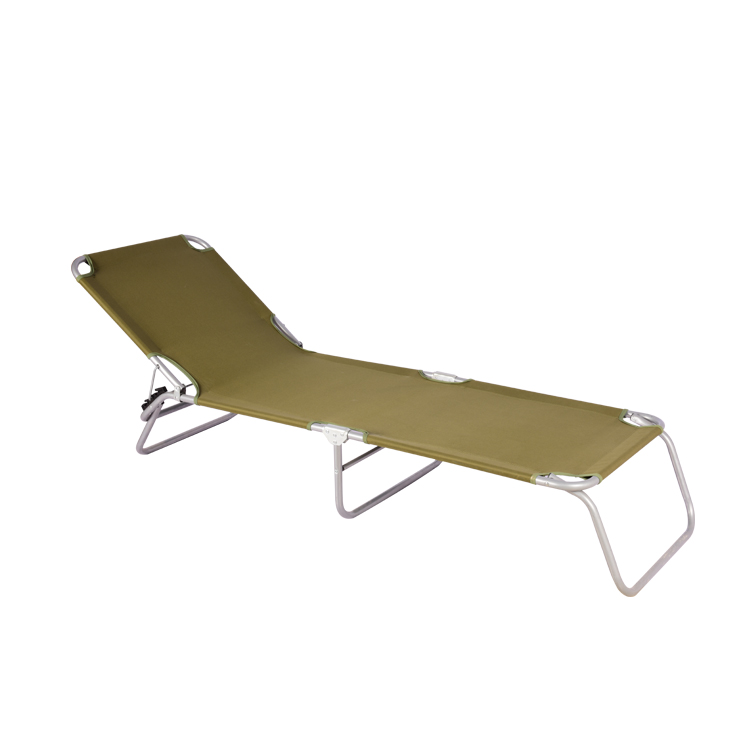
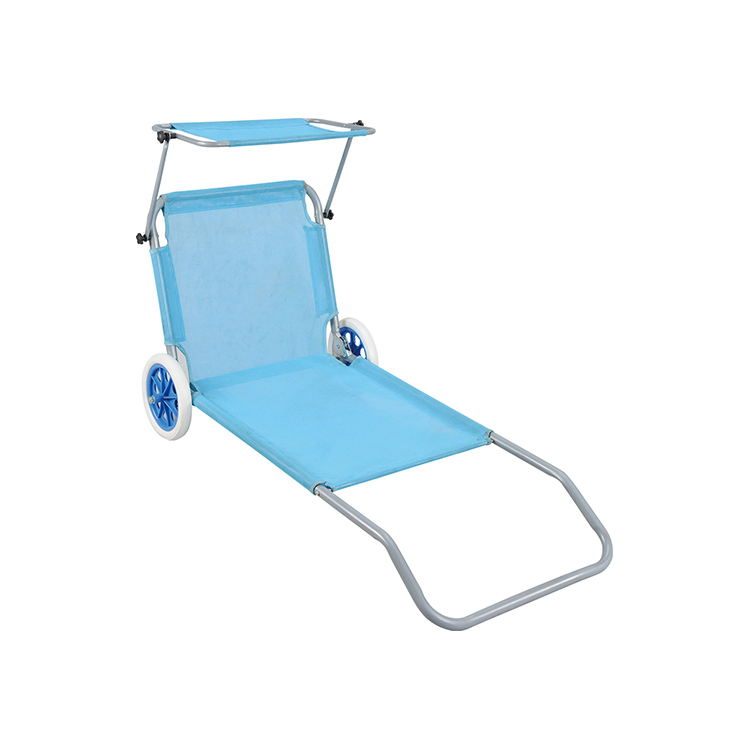
Long-term performance depends on material choice, surface treatment, structural design, and manufacturing quality rather than appearance alone. A reliable outdoor leisure chair factory pays close attention to every component, from aluminum tubing and welding techniques to UV-resistant fabrics and corrosion-resistant hardware. These details determine whether a chair continues performing after years outdoors or begins showing damage after only one season.
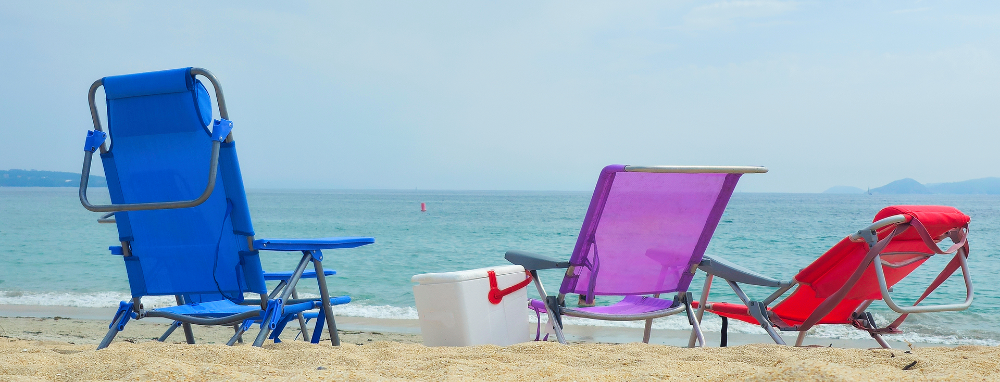
Sunlight Does More Than Fade Colors
Ultraviolet radiation affects nearly every material used in outdoor furniture. Fabric discoloration is often the earliest visible sign, yet internal material degradation begins much earlier.
- Polymer chains gradually weaken, making plastic components less flexible.
- Outdoor fabrics lose tensile strength, even before noticeable fading appears.
- Protective coatings slowly deteriorate, exposing metal beneath.
Premium outdoor fabrics commonly include UV stabilizers or solution-dyed fibers, allowing pigments to remain embedded throughout the material rather than sitting only on the surface. This construction helps reduce color fading during prolonged sunlight exposure.
Salt Air Creates a Different Type of Damage
Unlike ordinary rainwater, salt particles remain on furniture surfaces after moisture evaporates. These tiny deposits attract humidity from the surrounding air, accelerating corrosion even during dry weather.
Coastal environments frequently shorten the lifespan of untreated steel components. Salt crystals also scratch protective coatings through repeated wind-driven abrasion.
- Bare carbon steel rusts rapidly once protective paint becomes damaged.
- Fasteners become vulnerable unless stainless steel hardware is used.
- Surface coatings require consistent adhesion to resist salt penetration.
Marine environments are widely recognized as one of the harshest conditions for outdoor furniture, making corrosion-resistant materials essential.
Material Choice Makes a Significant Difference
Not every outdoor chair uses identical materials, even though product photos often appear similar.
Powder-Coated Aluminum
Aluminum naturally develops a protective oxide layer, providing strong corrosion resistance while remaining lightweight.
- Frame wall thickness commonly ranges between 1.2 mm and 2.0 mm.
- Powder coating adds another protective barrier against moisture and UV exposure.
- Lower overall weight improves portability without sacrificing structural integrity.
Marine-Grade Stainless Steel
High-grade stainless steel, especially 316 stainless, performs better in coastal applications because molybdenum improves resistance to pitting corrosion.
HDPE and Outdoor Resin
High-density polyethylene absorbs virtually no water and resists cracking caused by repeated moisture cycles. UV stabilizers further improve long-term appearance.
Frame Construction Influences Service Life
Material quality alone cannot guarantee durability. Structural engineering also contributes to outdoor performance.
- Continuous welding minimizes moisture entry around joints.
- Reinforced cross braces distribute weight more evenly.
- Drainage openings reduce standing water inside hollow tubing.
- Rounded frame corners reduce coating stress during expansion and contraction.
Even premium materials may deteriorate earlier than expected if structural details receive insufficient attention during production.
Outdoor Fabrics Face Constant Stress
Fabric components receive continuous sunlight, humidity, sunscreen residue, sand abrasion, and repeated body movement.
Commercial outdoor seating frequently incorporates polyester with UV additives or solution-dyed acrylic fabrics to improve weather resistance.
- Fabric density commonly falls between 600D and 1200D for heavy-duty seating.
- Double stitching strengthens high-load areas.
- Quick-drying foam helps reduce internal moisture retention.
These improvements extend usable life while maintaining seating comfort under outdoor conditions.
Hardware Often Determines Long-Term Reliability
Small components receive less attention from buyers, yet bolts, rivets, washers, and hinges frequently become failure points.
- 316 stainless fasteners perform well in marine environments.
- Galvanized hardware provides additional corrosion protection.
- Nylon bushings reduce friction inside folding mechanisms.
Well-designed hardware helps folding systems remain smooth after thousands of opening and closing cycles.
Testing Standards Reveal More Than Product Labels
Professional manufacturers typically evaluate outdoor furniture through multiple durability tests before mass production.
- Salt spray testing may exceed 500 to 1,000 hours for coastal-oriented products.
- UV aging chambers simulate years of sunlight exposure.
- Static load tests verify structural capacity under repeated use.
- Cycle testing evaluates folding mechanisms over thousands of operations.
These evaluations provide valuable engineering data before products enter real-world environments.
Manufacturing Details Matter More Than Appearance
Two outdoor chairs may appear nearly identical while delivering very different service lives. Tube thickness, coating adhesion, welding consistency, hardware quality, and fabric composition all influence long-term durability.
An experienced outdoor leisure chair factory generally focuses on balancing lightweight construction with corrosion resistance, structural stability, and material compatibility. Careful engineering helps outdoor seating remain functional despite continuous exposure to sunlight, sea breeze, humidity, and seasonal weather changes.
Final Thoughts
Outdoor chairs can survive constant sun and salt air, although survival depends far more on engineering than marketing claims. High-quality aluminum frames, marine-grade hardware, UV-stabilized fabrics, durable surface treatments, and thoughtful structural design work together to improve long-term performance.
Rather than judging outdoor furniture by appearance or price alone, examining material specifications and manufacturing details offers a much clearer picture of how a chair will perform after years of exposure to challenging outdoor environments.

-
-
 TEL:
TEL:
- +86-13738961469
-
-
-
 EMAIL:
- cnds@cndsgm.com
-
-
-
 ADDRESS:
- Niubei Jincun, Baiyang Sub-district, Wuyi County, Jinhua City, Zhejiang Province, China
-
Outdoor Leisure Products Manufacturer

