


 русский
  Español
  Deutsch
What Makes a Metal Folding Chair Feel Stable Without Adding Bulk
A folding chair needs to solve two different seating requirements at the same time: it should feel firm under the user while remaining practical to carry, store, and transport. That balance becomes particularly important with metal folding chairs. Adding thicker tubing or extra structural components can increase rigidity, but excessive material can also make a chair heavier and less convenient to handle.
At Dasheng, we approach this challenge through frame geometry, connection points, weight distribution, and folding structure rather than simply adding material. Our experience with outdoor leisure chairs and folding seating has shown us that stability comes from the relationship between several structural elements, not from frame weight alone. This approach allows us to develop folding seating for camping, leisure, events, travel, and other outdoor applications.
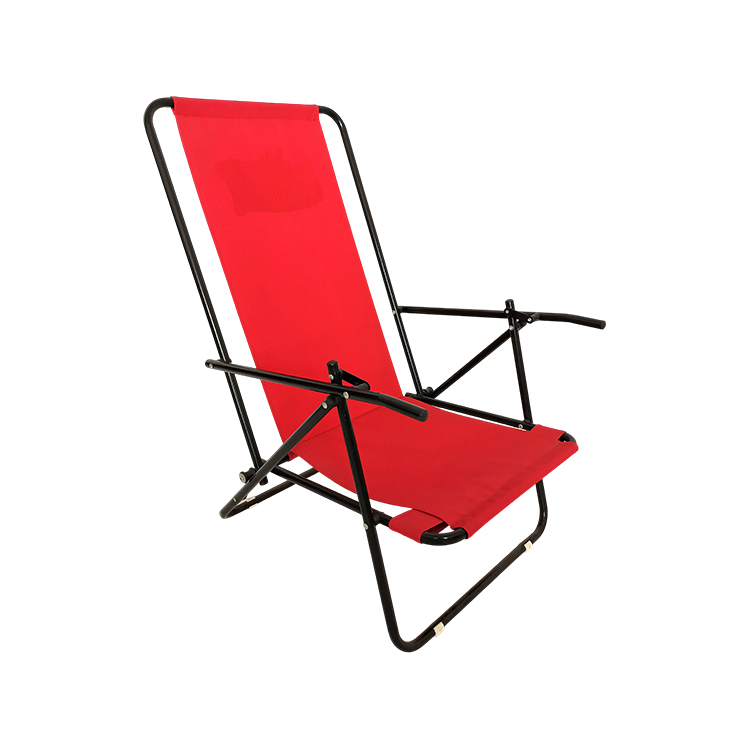
1. Frame Geometry Matters More Than Raw Material Volume
A metal frame can remain relatively compact while providing a firm seating platform through the way its tubes are positioned. Straight vertical legs are only part of the structure. The angle between the front and rear legs, the width of the seating base, and the position of supporting tubes all influence how forces move through the chair.
We pay attention to several structural details during product development:
- Leg angles that create a stable footprint without making the chair unnecessarily wide.
- Cross-support elements positioned around areas exposed to greater loads.
- Balanced spacing between the seat frame and leg assembly.
- Folding joints designed to remain compact while maintaining controlled movement.
Commercial folding chairs on the market demonstrate how relatively compact tubular frames can support substantial loads. Some steel folding chair designs use 7/8-inch tubular frames combined with cross braces and seat-frame reinforcement, with published capacities ranging from roughly 300 lb to 500 lb depending on the design.
2. Tube Diameter and Wall Thickness Need a Practical Balance
Frame tubing affects both structural behavior and overall chair weight. Increasing tube diameter or wall thickness can improve resistance to bending, yet it also adds material. Our design process therefore considers the intended application before establishing the frame specification.
| Structural Factor | Effect on Chair Design | Design Consideration |
| Tube diameter | Influences frame rigidity and visual profile | Match the diameter with the chair's load requirements |
| Wall thickness | Affects strength and frame weight | Avoid unnecessary material that increases bulk |
| Tube shape | Changes bending behavior and appearance | Consider round or formed profiles according to the structure |
| Tube connection | Influences joint stability | Reinforce stress points rather than adding material everywhere |
Published folding-chair specifications provide useful examples of this balance. Some commercial models use 18-gauge or 19-gauge tubular steel frames together with cross braces and seat-frame reinforcement. These figures should be treated as product-specific references rather than universal requirements because chair size, material, construction, and intended load all vary.
3. Cross Braces Can Strengthen the Structure Without Creating a Heavy Frame
Cross braces are another important part of folding-chair construction. Rather than increasing the size of every frame tube, targeted bracing can reinforce the areas that experience movement or lateral forces.
During sitting, a chair does not only receive downward pressure. Users may shift their weight, move sideways, stand up, or sit down at different angles. Outdoor surfaces can add another variable because grass, gravel, soil, and uneven ground do not provide the same support as a flat indoor floor.
That is why we consider lateral stability as well as vertical load support. A chair that supports a high static load but moves excessively from side to side may not deliver the seating experience users expect.
Targeted Reinforcement
Our approach is to place reinforcement around structural junctions and load-bearing areas rather than simply making the entire frame heavier. This principle helps maintain a manageable overall weight while preserving the rigidity required by the product's intended use.
4. Hinges Are Small Components With a Major Structural Role
Folding functionality creates a special engineering requirement. A fixed chair can rely on permanent joints, while a folding chair needs moving connections that allow the frame to collapse and open repeatedly.
Hinge position, joint alignment, rivets, bolts, sleeves, and surrounding reinforcement all affect how the chair behaves during repeated folding cycles. Excessive movement around these points can create a loose feeling even though the primary frame tubes remain intact.
We therefore treat the folding mechanism as part of the structural system rather than an accessory attached to the frame. Smooth folding and firm open-position locking need to work together.
5. The Chair Footprint Influences Perceived Stability
Frame weight is only one factor behind stability. The contact area between the chair and the ground also matters.
A wider footprint can improve resistance to tipping, but making the legs excessively wide can make transportation and storage less convenient. Our design work therefore considers the relationship between the open dimensions and the folded dimensions.
| Dimension | Why It Matters |
| Overall width | Influences lateral stability and seating space |
| Leg spread | Changes the ground contact footprint |
| Seat height | Affects sitting posture and entry/exit comfort |
| Folded thickness | Determines storage and transportation convenience |
| Overall frame weight | Influences carrying and handling requirements |
Some commercial metal folding chairs have folded thicknesses around 2 inches, showing how structural reinforcement can be incorporated without creating a large folded package.
6. Stability Also Depends on the Seating Surface
The frame is not the only part that determines how stable a chair feels. Seat construction can influence pressure distribution and the user's perception of support.
A rigid seat may transmit pressure directly to the frame, while fabric seating distributes the user's weight across a wider area. For outdoor leisure products, we may combine metal frames with fabrics and other materials according to the intended application.
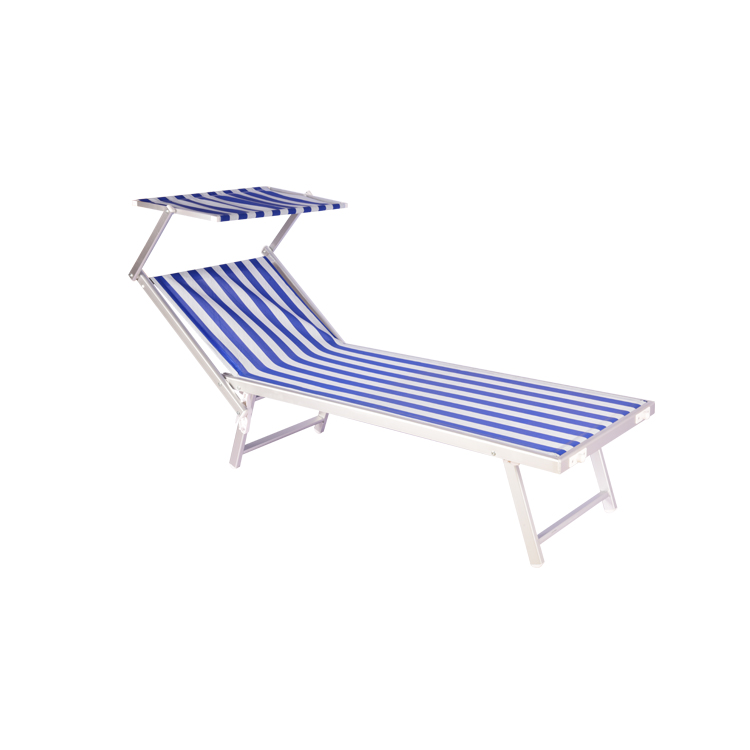
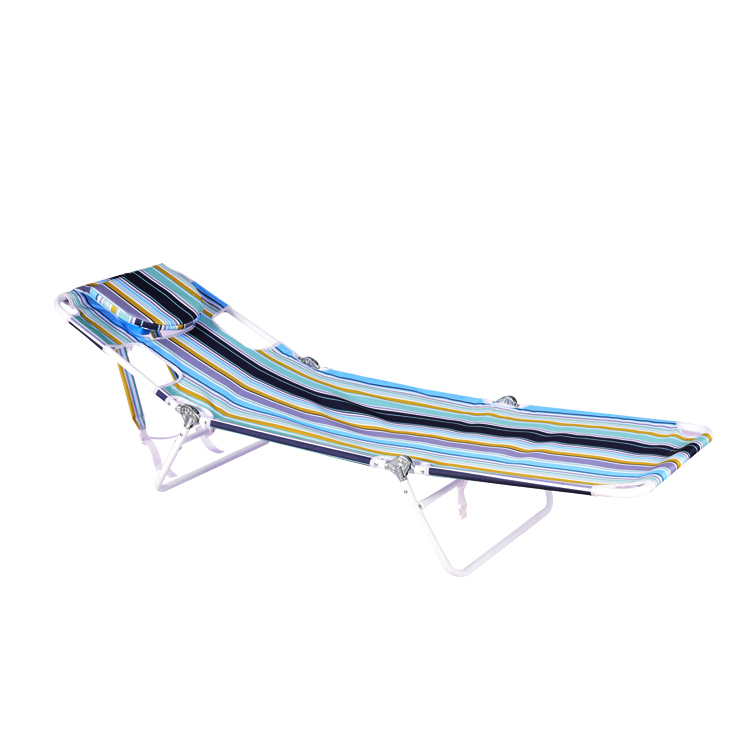
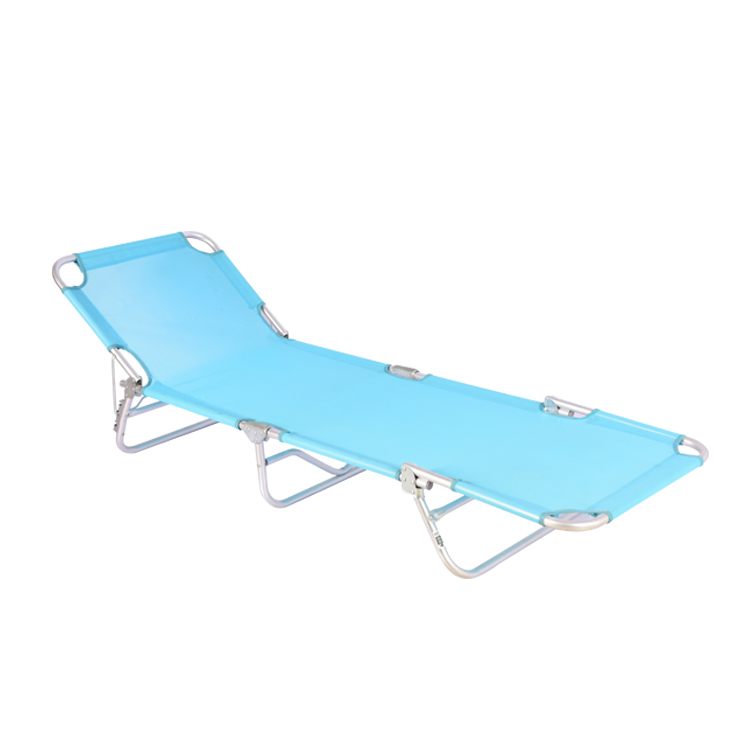
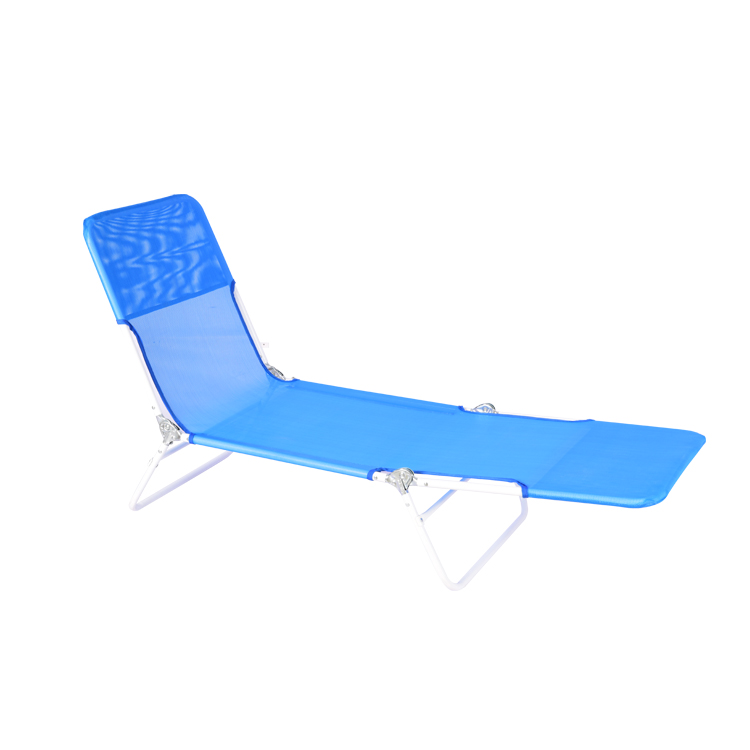
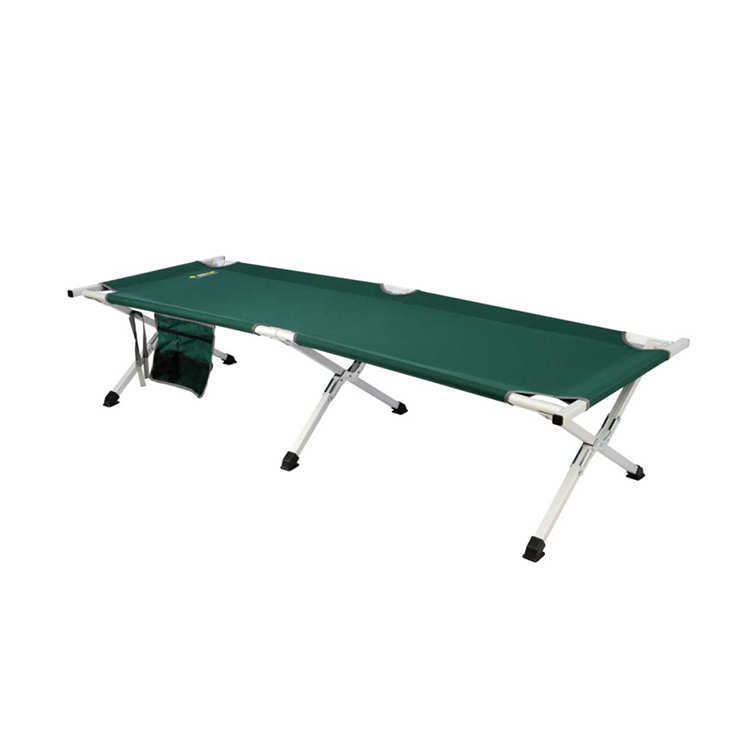
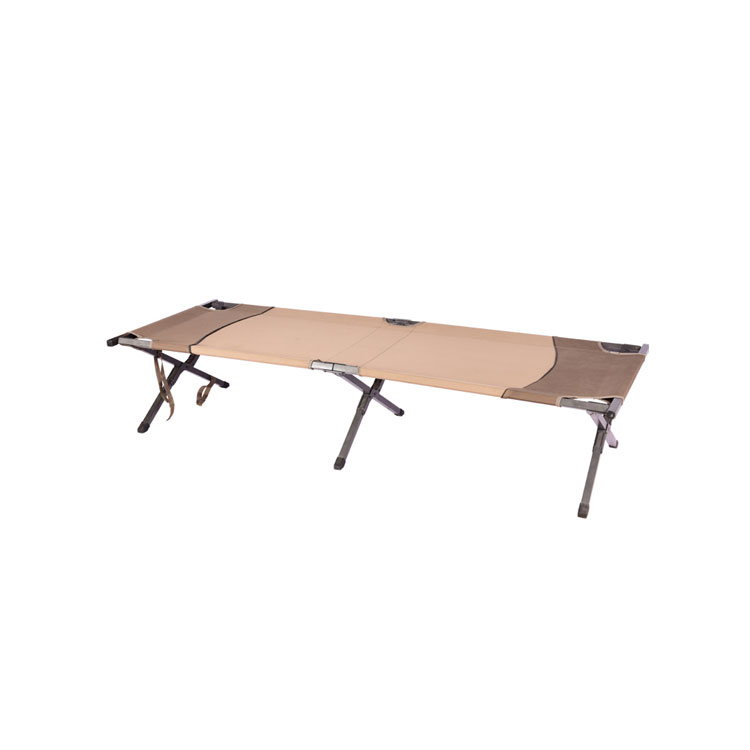
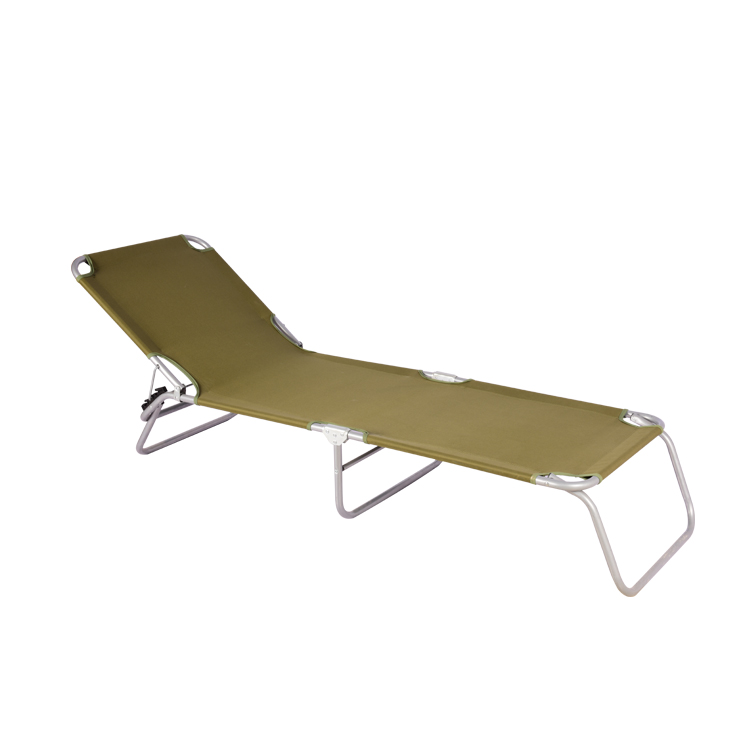
Our product range covers camp chairs, folding leisure chairs, lounge chairs, beach chairs, and related outdoor seating categories. This range gives us experience working with different combinations of frame structures, fabrics, armrests, backrests, and folding mechanisms.
7. Stability Should Match the Intended Use
Not every folding chair needs the same structural specification. A lightweight chair designed for short-distance carrying has different requirements from seating intended for repeated commercial use.
We consider the application before establishing the structural configuration:
- Camping: portability, compact folding size, ground adaptability, and easy setup are important.
- Beach use: frame geometry and foot design need to account for softer ground.
- Events: repeated opening, closing, transportation, and storage place greater emphasis on frame and hinge durability.
- Leisure seating: backrest angle, seat dimensions, fabric tension, and overall balance influence comfort as well as stability.
This application-based approach is also useful for buyers working with metal folding chair manufacturers. Instead of requesting a heavier frame by default, buyers can define the load range, open dimensions, folded dimensions, material preference, surface finish, and usage environment. These parameters give the manufacturer a clearer basis for developing the structure.
8. Why Lightweight Does Not Have to Mean Fragile
Lightweight construction is sometimes associated with reduced durability, but the relationship is not that simple. A carefully designed frame can remove unnecessary material while retaining reinforcement at critical points.
Our production approach focuses on this balance. Dasheng provides customized outdoor leisure chair solutions based on customer requirements, allowing specifications to be adjusted around different applications and market needs.
That flexibility is useful for buyers who need a particular combination of portability and structural support. Frame material, fabric, dimensions, colors, accessories, packaging, and other product details can be discussed around the target market and intended application.
9. A Practical Specification Checklist for Buyers
Before ordering a metal folding chair, we recommend looking beyond the stated weight capacity. A complete specification review can provide a clearer picture of how the chair is constructed.
- Frame material and tube specification
- Seat height, width, and depth
- Open and folded dimensions
- Frame reinforcement method
- Hinge and connection structure
- Leg footprint and floor-contact design
- Surface treatment and coating
- Fabric specification for outdoor models
- Product weight and carton dimensions
- Applicable load and intended usage scenario
From Frame Design to a More Balanced Folding Chair
Stable folding seating does not always need a heavy metal frame. The shape of the structure the type of tubes, where the reinforcements go how the hinges are built where the legs are positioned and the design of the seat all combine to make a chair that feels solid while staying light.
At Dasheng we build leisure chairs and stable folding seating by focusing on real product needs instead of just one part of the structure. We offer options and can customize different frame shapes, seat materials, sizes and uses. If you are looking at folding seating, for camping, leisure, events, beach trips or other outdoor activities the important thing is to look at the whole build not just how thick the frame is.

-
-
 TEL:
TEL:
- +86-13738961469
-
-
-
 EMAIL:
- cnds@cndsgm.com
-
-
-
 ADDRESS:
- Niubei Jincun, Baiyang Sub-district, Wuyi County, Jinhua City, Zhejiang Province, China
-
Outdoor Leisure Products Manufacturer

