


 русский
  Español
  Deutsch
The Surge in Leisure Chair Consumption: Key Selection Tips for Beach, Camping, and Home Use
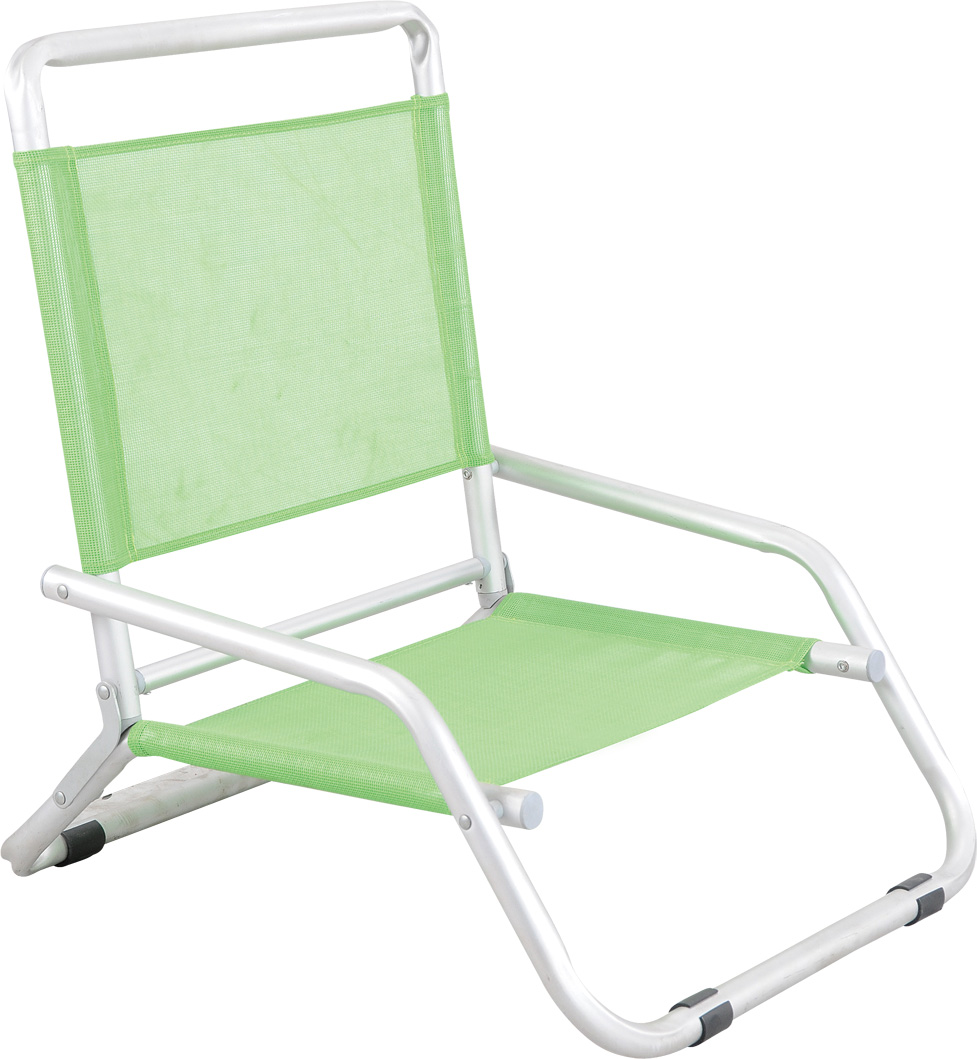
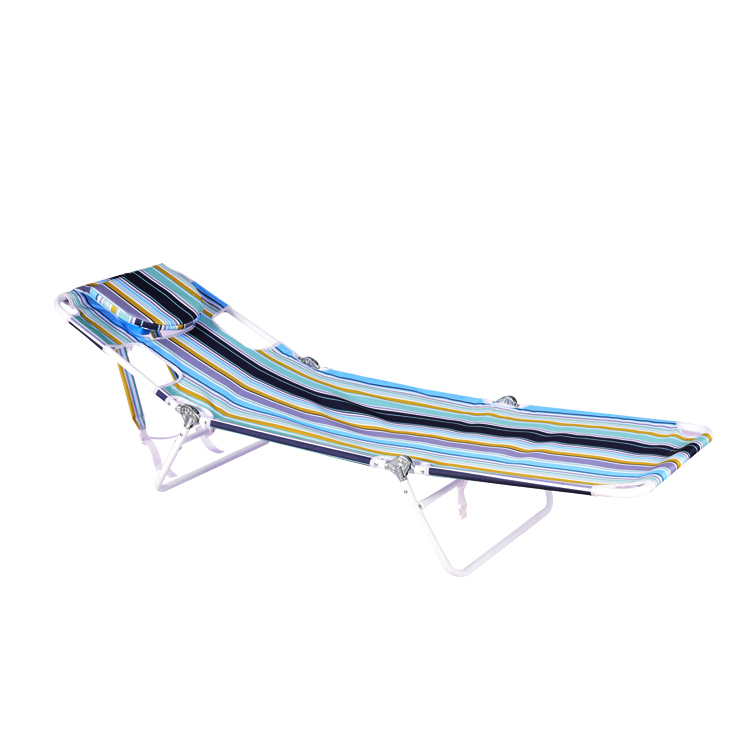
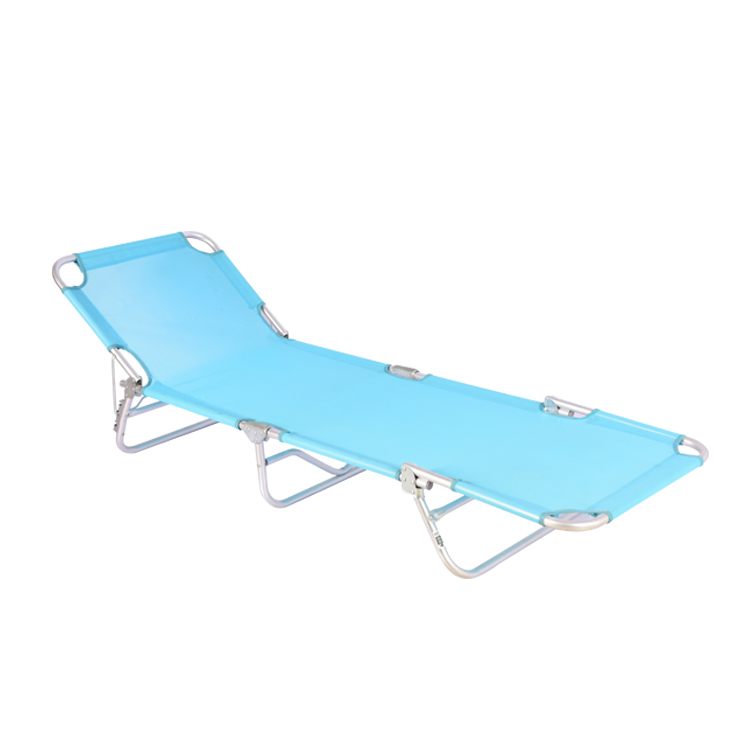
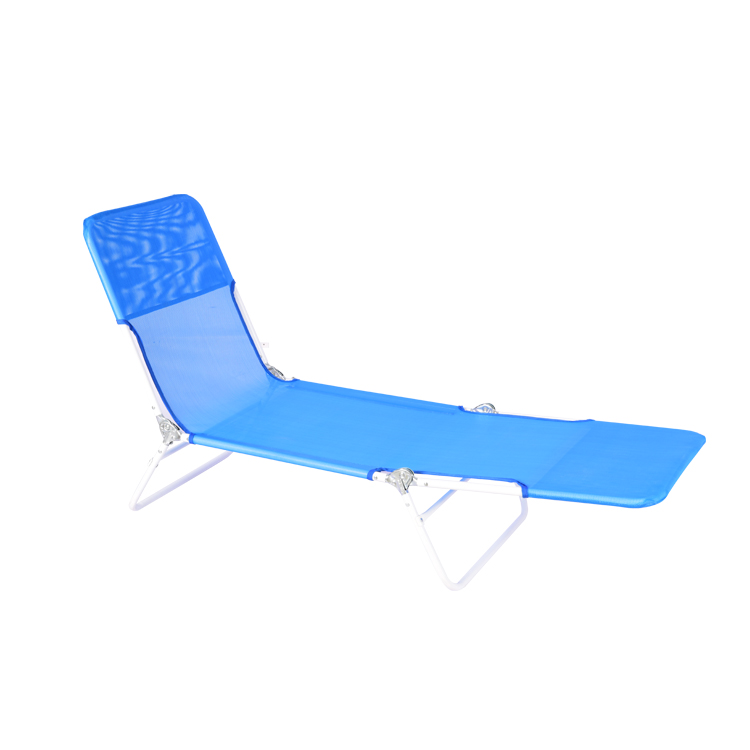
Key Purchasing Points for Beach Chairs: Weather Resistance & Portability
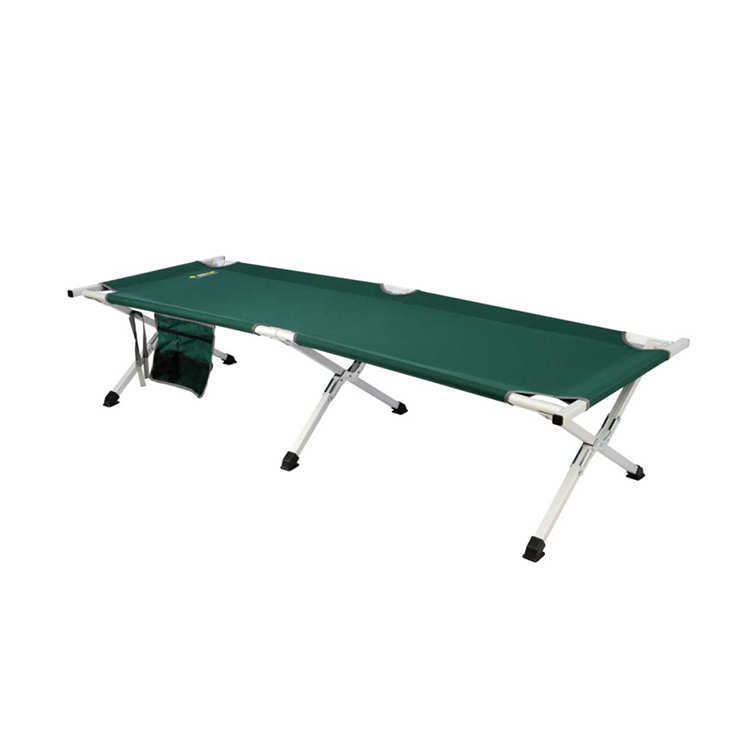
Key Purchasing Points for Camping Chairs: Stability & Scene Adaptability
- For family road trips with ample space, multi-functional models with armrests and footrests are recommended. Some products can switch freely between seating and reclining modes, meeting diverse needs such as resting and dining.
- For hiking or lightweight camping, foldable chairs weighing less than 1kg are more suitable. These chairs typically use high-strength nylon fabric, which is wear-resistant and easy to clean.
- Notably, chairs with non-slip textured legs and ground nail designs effectively prevent slipping on muddy or stony campsites, offering superior safety.
Key Purchasing Points for Home Leisure Chairs: Comfort & Compatibility
- For living room leisure chairs paired with sofas, opt for styles with a slightly deeper seat depth and complement them with soft cushions to enhance relaxation.
- For balcony or study use, breathable cotton-linen or mesh fabrics are more suitable for extended periods of sitting.
- Meanwhile, chair height should match the scenario: 45-50cm is ideal for pairing with coffee tables, while leisure chairs for reading should preferably have adjustable headrests to reduce neck pressure.
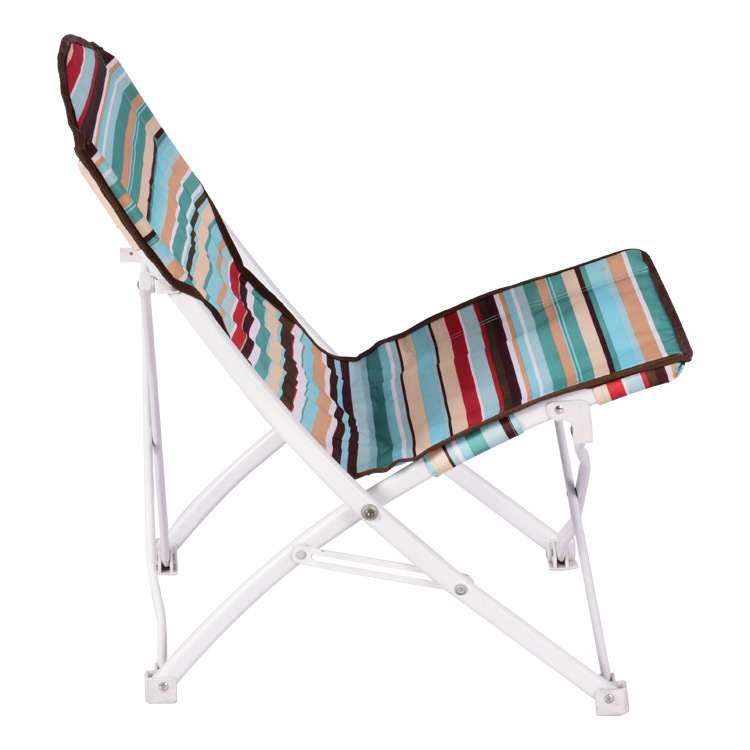
Zero gravity lounge chairs differ from regular lounge chairs in design, functionality, and intended use. The main difference lies in the seating position. Zero gravity chairs are engineered to recline in a way that distributes weight evenly across the body, typically elevating the legs above the heart level. Regular lounge chairs usually have a fixed or slightly reclined position without this specific weight distribution. Other differences include frame design, adjustability, and intended comfort levels.
|
Feature |
Zero Gravity Lounge Chair |
Regular Lounge Chair |
|
Seating Position |
Reclines to a zero-gravity angle with legs elevated above heart |
Standard reclining or upright, legs usually at or below heart level |
|
Weight Distribution |
Evenly spreads body weight to reduce pressure on spine and joints |
Weight is concentrated on the lower back and seat |
|
Adjustability |
Multiple reclining angles with lockable positions |
Limited reclining, often fixed or single-angle adjustment |
|
Frame Design |
Foldable metal or aluminum frame with pivot points for recline |
Simple frame, often wood, plastic, or metal without pivoting |
|
Portability |
Many models fold for storage and transport |
Usually heavier, less portable |
|
Intended Use |
Outdoor relaxation, stress relief, extended lounging |
General seating indoors or outdoors, casual use |
|
Accessories |
Often includes headrests, cup holders, and adjustable armrests |
May include cushions or built-in armrests, usually minimal |
How Comfortable is the Zero Gravity Lounge Chair?
The comfort of a zero gravity lounge chair comes from its design, which evenly distributes body weight. By positioning the legs slightly above the heart, the chair reduces pressure on the lower spine, hips, and legs. This angle can help reduce fatigue during long periods of sitting.
The frame design contributes to comfort as well. Most zero-gravity chairs have a metal or aluminum frame with pivot points that allow smooth reclining. The ability to lock the chair in different positions enables users to adjust the angle based on personal preference or activity, such as reading, sunbathing, or resting.
The seat material also affects comfort. Chairs typically use breathable mesh, polyester, or padded fabric, which provides moderate support while allowing airflow. Mesh surfaces prevent heat buildup, making the chair suitable for outdoor use in warmer conditions. Padded versions offer slightly more cushioning for longer sessions of sitting.
Many zero gravity lounge chairs include detachable or adjustable headrests, armrests, and cup holders. Some models also include lumbar support to improve posture. The folding design allows the chair to recline fully or partially without straining joints or muscles, and its stable frame minimizes rocking or wobbling.
Foldable Leisure Chair: How to Quickly Fold and Store It?
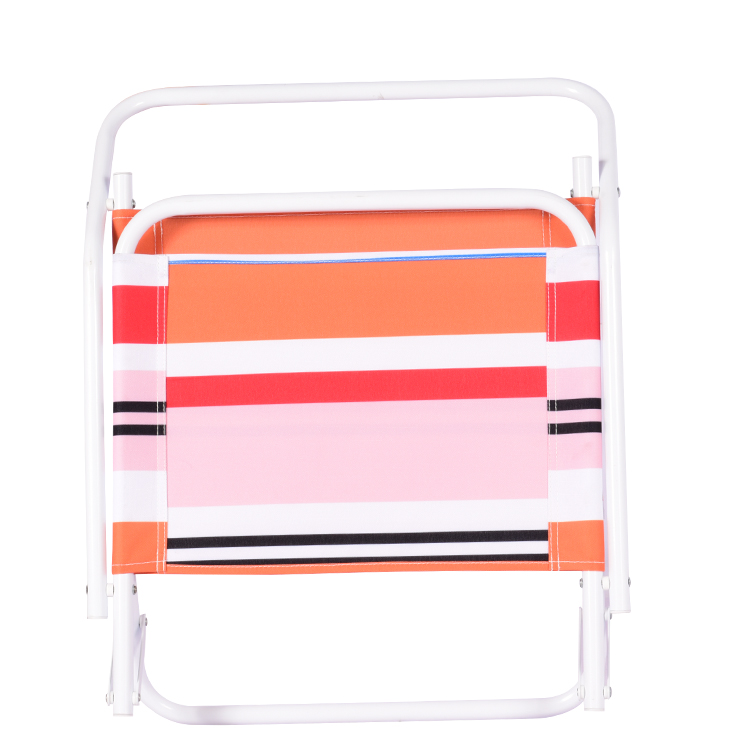
Foldable leisure chairs are designed for portability and convenience. To fold and store one quickly, begin by identifying the locking mechanisms and pivot points. Most foldable chairs have joints where the frame meets the seat and backrest. These points allow the chair to collapse inward for compact storage.
1. Prepare the Chair: Remove any detachable accessories such as cushions, cup holders, or storage pouches. This prevents obstruction during folding and protects the components.
2. Release Locking Mechanisms: Many foldable chairs have levers, clips, or sliding locks that secure the frame in the open position. Disengage these mechanisms carefully to allow movement at the pivot points.
3. Collapse the Frame: Start folding from the top or backrest, guiding the seat and legs inward. The chair should begin to form a flatter, narrower profile. Ensure all legs align to prevent bending or pinching of the frame.
4. Secure for Storage: Some chairs include straps or clips to keep the folded frame compact. If a carrying bag is provided, place the chair inside to simplify transportation and protect it from dust or moisture.
5. Store in a Dry Location: To maintain durability, store the folded chair in a shaded or dry area. Avoid placing heavy objects on top to prevent bending the frame or damaging the fabric.
Foldable Leisure Chair: Why is it More Practical than a Fixed Chair?
Foldable leisure chairs offer practical benefits that fixed chairs cannot easily provide.
1. Portability
Foldable chairs are designed to be lightweight and compact. They can be carried using built-in handles or stored in carrying bags. Fixed chairs, by contrast, are usually heavier and difficult to move between locations, limiting their versatility.
2. Space Efficiency
Foldable chairs collapse into smaller dimensions, allowing for easy storage in closets, car trunks, or camping gear compartments. This is useful in homes, apartments, or outdoor environments where storage space is limited. Fixed chairs occupy the same footprint at all times, which can be impractical for temporary seating.
3. Versatility
Foldable chairs can be used in multiple settings, including beaches, campsites, picnics, and backyards. Their compact form and lightweight materials allow users to transport them over longer distances. Fixed chairs are generally intended for a single location, making them less suitable for outdoor activities or travel.
4. Adaptability
Many foldable leisure chairs include adjustable features, such as reclining backrests or armrests. This allows users to customize seating for different activities or comfort preferences. Fixed chairs often lack this flexibility.
5. Ease of Maintenance
Foldable chairs typically use materials that are easy to clean and maintain, such as mesh or polyester fabric. The ability to fold also reduces exposure to the elements when stored. Fixed chairs, especially outdoor models, can be more cumbersome to clean or move indoors during adverse weather.

-
-
 TEL:
TEL:
- +86-13738961469
-
-
-
 EMAIL:
- cnds@cndsgm.com
-
-
-
 ADDRESS:
- Niubei Jincun, Baiyang Sub-district, Wuyi County, Jinhua City, Zhejiang Province, China
-
Outdoor Leisure Products Manufacturer

