


 русский
 Español
 Deutsch

Should Outdoor Retailers Stock Reclining or Fixed-Position Lounge Chairs
Outdoor furniture retailers face a practical inventory question: should their product range focus on adjustable reclining chairs, fixed-position loungers, or a combination of both? At Dasheng, we understand that this decision affects shelf space, purchasing budgets, customer preferences, and seasonal sales planning. Our outdoor camping lounge chairs sourcing discussions begin with the intended market and usage scenario, helping buyers evaluate chair configurations according to their retail strategy rather than appearance alone.

1. Fixed-Position Chairs: A Straightforward Retail Option
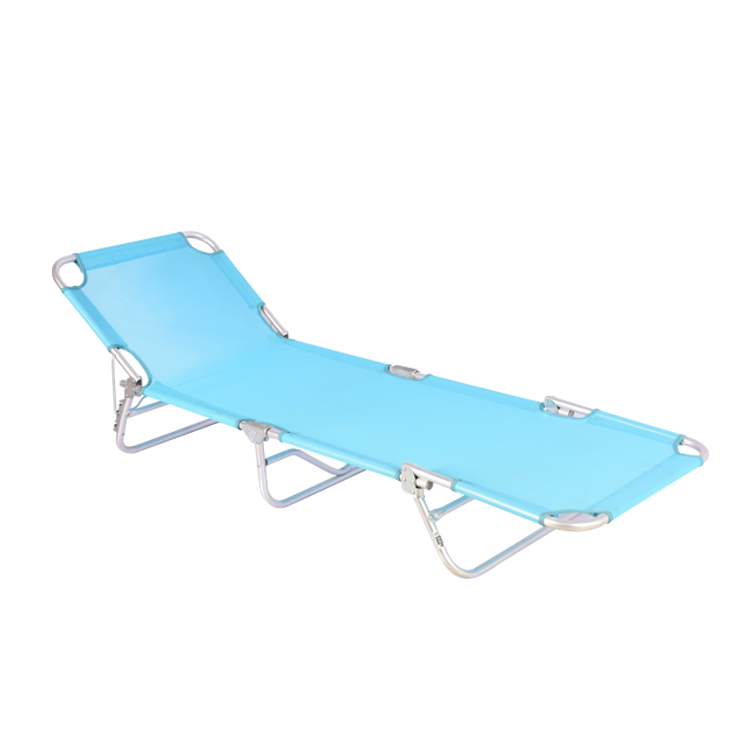
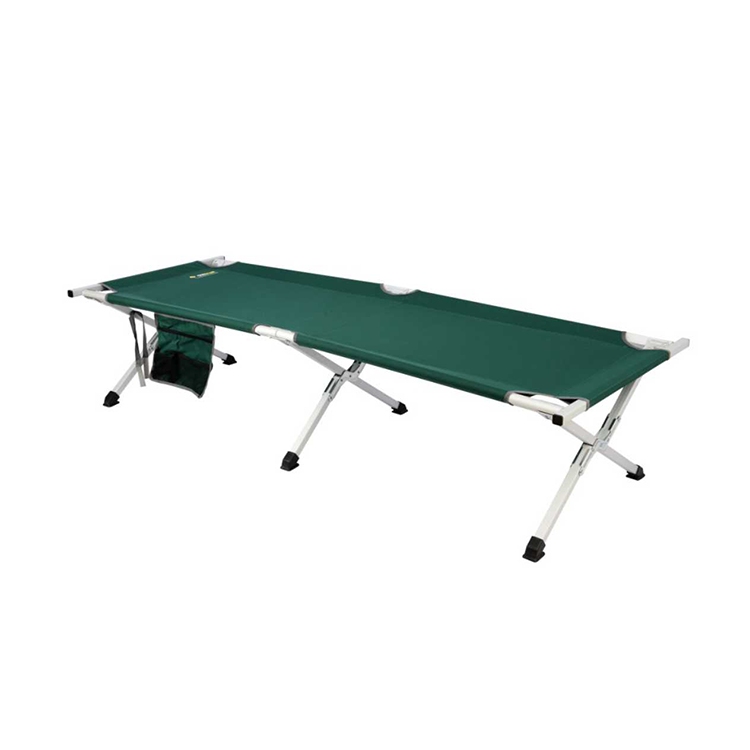
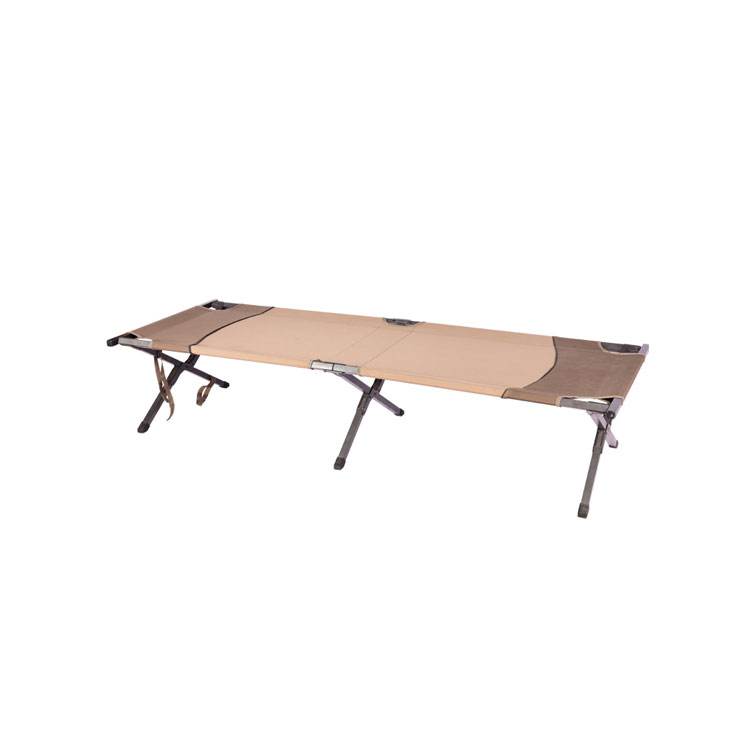
Fixed-position lounge chairs maintain a predetermined backrest angle. Their structure can be relatively simple because they do not require a multi-position adjustment mechanism. This design may suit retailers serving customers who want straightforward outdoor seating for patios, gardens, poolside areas, or campsites.
Points Retailers Should Consider
- Product simplicity: Fewer adjustment components can make product demonstrations and specification comparisons easier.
- Price positioning: A simpler structure may support an entry-level product range, depending on materials and manufacturing costs.
- Customer expectations: Buyers should check the backrest angle, seat depth, and overall dimensions to ensure the fixed design suits the intended use.
- Storage planning: Confirm whether the chair folds, stacks, or requires dedicated storage space.
Fixed-position models may be suitable for retailers building a value-focused assortment. However, frame materials, fabric quality, finishing, and packaging still influence the final selling price and customer experience.
2. Reclining Chairs: More Positions, More Product Choices
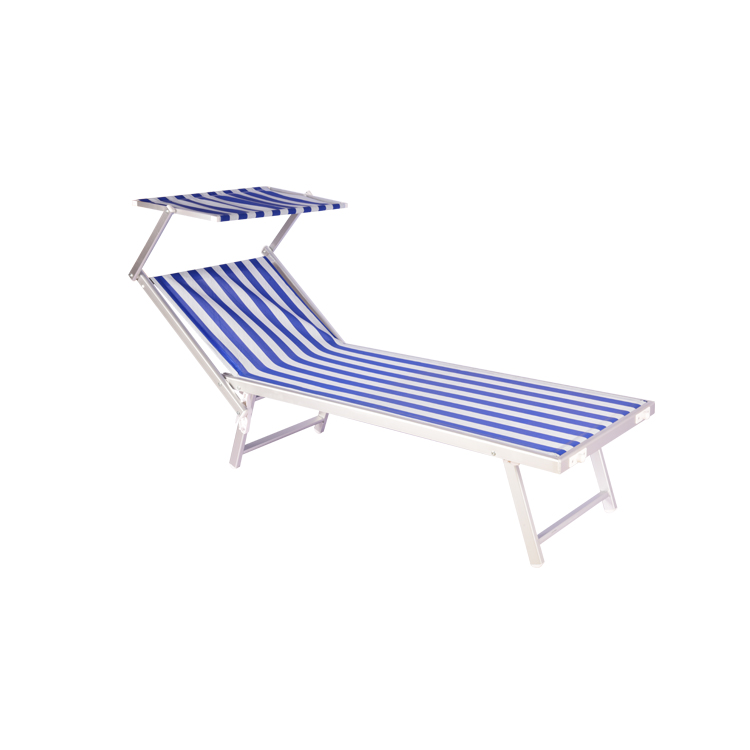
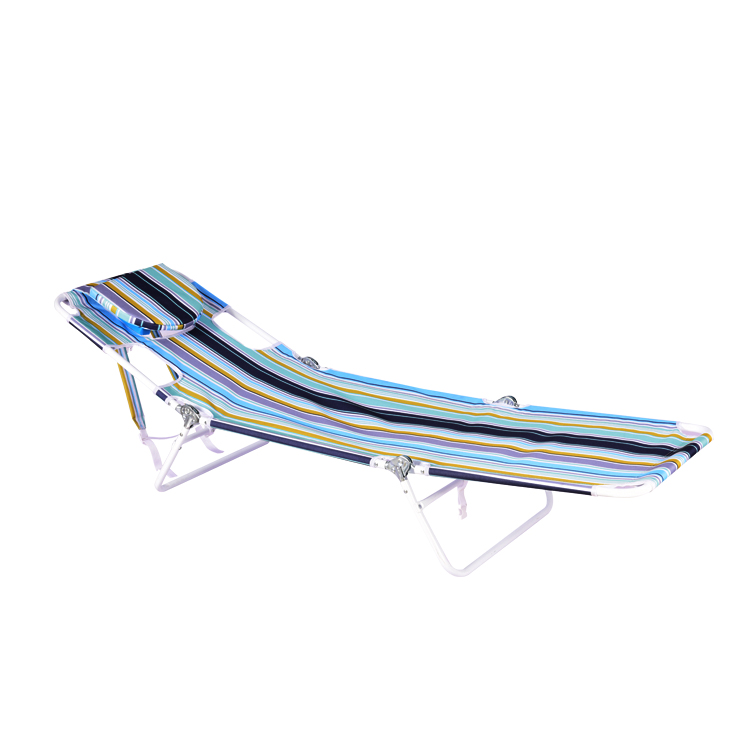
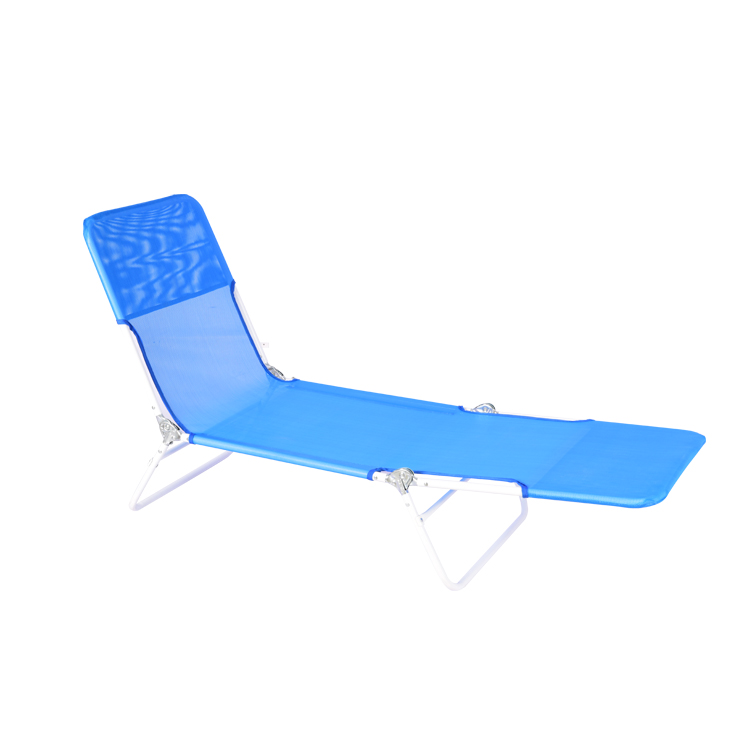
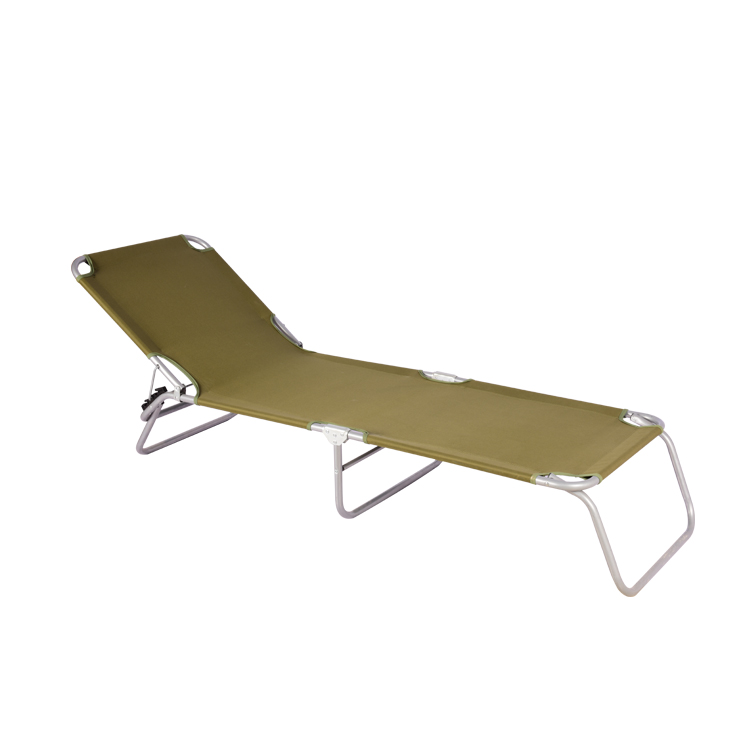
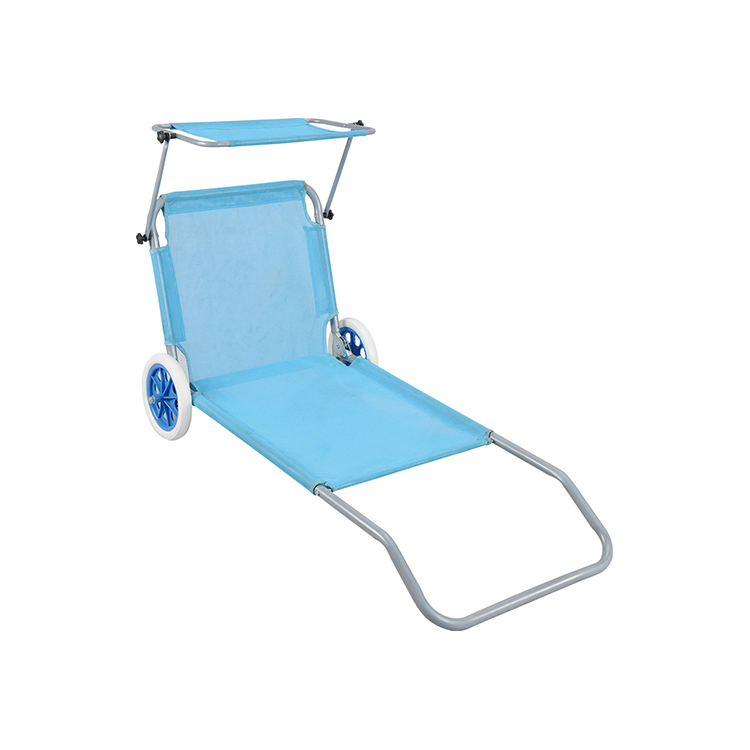
Reclining lounge chairs allow users to change the backrest angle to suit reading, resting, or outdoor relaxation. Depending on the design, a model may provide two, three, or four adjustment positions, while other mechanisms allow more flexible positioning.
Retailers considering this category should review several details before confirming an order:
- Adjustment mechanism: Check locking points, hinge construction, and ease of operation.
- Comfort accessories: Headrests, padded armrests, and removable footrests may support different price segments.
- Product dimensions: Reclining positions can change the space required behind or in front of a chair.
- Testing requirements: Request applicable load and functional test records for the approved model.
Additional mechanisms may increase product complexity, packaging requirements, and purchase costs. Retailers should compare these factors with the price range and features their customers expect before expanding the category.
3. Fixed vs. Reclining: A Purchasing Comparison
| Evaluation Factor | Fixed-Position Chair | Reclining Chair |
| Backrest adjustment | Predetermined angle | Multiple positions or adjustable angles |
| Structure | May use a simpler frame design | Requires a suitable adjustment mechanism |
| Target customers | Buyers seeking straightforward outdoor seating | Customers interested in adjustable relaxation |
| Retail positioning | Entry-level to premium, depending on materials | Mid-range to premium, depending on configuration |
| Storage considerations | Depends on folding or stacking design | Depends on frame design and folded dimensions |
| Inspection priorities | Frame stability, joints, fabric, and dimensions | All fixed-chair checks plus adjustment and locking functions |
These comparisons describe common design differences rather than fixed rules. A well-finished fixed chair may cost more than a basic reclining model, depending on the materials, dimensions, and production specifications.
4. How Should Retailers Plan Their Inventory Mix?
Rather than committing the entire purchasing budget to a single configuration, retailers can use sales data and customer feedback to establish an appropriate product mix.
- Review historical sales: Compare sales volume, return rates, and customer inquiries for fixed and adjustable seating.
- Define price bands: Group products by retail price, material, accessories, and intended application.
- Assess seasonal demand: Consider local camping seasons, holiday periods, and outdoor recreation patterns.
- Compare carton specifications: Review folded dimensions, units per carton, gross weight, and shipment volume before placing bulk orders.
- Test new configurations: Introduce a limited assortment where practical, then adjust future purchasing according to actual sales performance.
For example, a retailer serving casual campers may prioritize straightforward folding models, while a store specializing in garden relaxation may allocate more space to adjustable loungers with headrests or footrests. The appropriate mix depends on customer demand, available storage, and purchasing budgets.
5. What Should Buyers Confirm with Dasheng?
At Dasheng, we encourage wholesale buyers and private-label brands to establish product requirements before requesting a quotation. Clear specifications help reduce misunderstandings during sampling, production, and shipment preparation.
- Chair style, open dimensions, folded dimensions, and net weight.
- Frame material, fabric composition, and stated load capacity.
- Reclining positions, locking mechanism, and accessory requirements.
- Logo placement, fabric colors, labels, and customized packaging.
- Order quantity, sample approval, inspection requirements, and delivery arrangements.
Our team can discuss available configurations and customization possibilities according to each buyer's project requirements. Product specifications, pricing, and production schedules should be confirmed against the agreed model and order details.
Build a Lounge Chair Range Around Your Customers
Fixed-position chairs can serve shoppers who value straightforward designs, while reclining models offer adjustable seating for customers with different relaxation preferences. Retailers can compare both categories by examining structure, comfort features, storage requirements, target prices, and verified product specifications.
Dasheng welcomes inquiries from outdoor furniture distributors, retailers, importers, and private-label businesses. Contact our team through our website to discuss camping chair configurations, customization options, packaging requirements, and bulk purchasing plans for your market.

-
-
 TEL:
- +86-13738961469
-
-
-
 EMAIL:
- cnds@cndsgm.com
-
-
-
 ADDRESS:
- Niubei Jincun, Baiyang Sub-district, Wuyi County, Jinhua City, Zhejiang Province, China
-
Outdoor Leisure Products Manufacturer

