


 русский
  Español
  Deutsch
What Separates a Camping Chair Manufacturer from a Trading Supplier
Choosing a supplier for outdoor seating involves more than comparing quotations. Buyers need to understand who controls production, how product specifications are managed, and who takes responsibility for quality issues. At Dasheng, we believe that clear communication about manufacturing capabilities helps importers, wholesalers, and private-label brands make informed purchasing decisions. Comparing camping chair manufacturers with trading suppliers can help buyers identify the right sourcing model for their order volume, customization requirements, and long-term business plans.
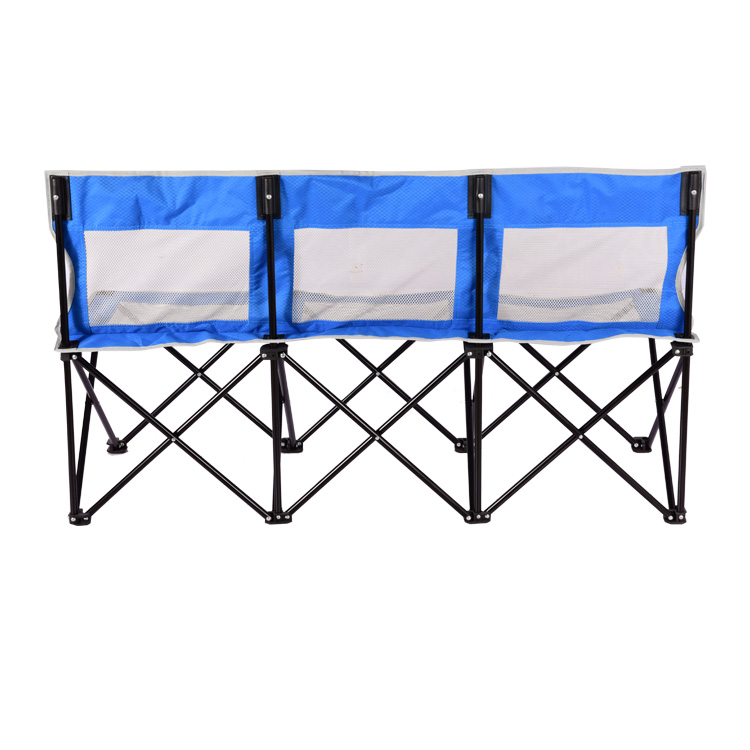
1. Production Control and Manufacturing Capabilities
A manufacturer produces products through its own facilities or directly managed production processes, while a trading supplier typically purchases products from external factories and resells them. However, the distinction should be verified through actual capabilities rather than company descriptions alone.
Questions Buyers Should Ask
- Production facilities: Can the supplier explain its frame processing, sewing, assembly, and packaging arrangements?
- Equipment and processes: Are metal cutting, tube bending, welding, fabric stitching, and final assembly handled internally or outsourced?
- Production planning: Can the supplier explain how orders are scheduled and how production capacity is allocated?
- Process visibility: Are production records, inspection reports, or facility videos available for review?
At Dasheng, we encourage buyers to request specific evidence related to the product they intend to purchase. A supplier's ability to explain its manufacturing arrangements is more informative than a general claim of factory-direct service.
2. Customization and Product Development
Outdoor brands often need more than a standard chair from a catalog. Fabric colors, frame finishes, seat dimensions, logos, carrying bags, and retail packaging may all require adjustments. The supplier's ability to coordinate these details can influence product differentiation and order consistency.
| Requirement | Manufacturer | Trading Supplier |
| Existing models | Can provide models made through its production system | Can source models from partner factories |
| Logo and packaging | Can coordinate changes within its available processes | Coordinates requests with the producing factory |
| Structural modifications | May provide direct technical input, depending on capabilities | Usually communicates requirements to an external producer |
| Sample revisions | Can coordinate adjustments with the responsible production team | Relays feedback and manages communication with the factory |
Neither sourcing model automatically guarantees stronger customization support. Buyers should confirm which changes are feasible, whether additional tooling is required, and how sample costs are calculated before placing an order.
3. Quality Control and Product Consistency
A camping chair combines several components, including metal tubes, connecting joints, fabric panels, stitching, fasteners, and sometimes plastic armrests or adjustable backrests. A defect in any of these areas may affect product appearance, stability, or usability.
Review the Quality Control Process
- Material inspection: Verify frame materials, fabric specifications, coatings, and hardware against the approved requirements.
- Assembly inspection: Check frame alignment, fastener installation, stitching, and folding mechanisms.
- Functional testing: Confirm that the chair opens, folds, and locks correctly. Review load-test results where applicable.
- Final inspection: Check dimensions, appearance, labeling, carton quantities, and packaging condition.
A trading supplier may operate a capable inspection team, while a manufacturer may have gaps in its quality procedures. The key is to request documented inspection criteria and agree on how defects will be handled. Buyers should also establish a reference sample and written specifications before mass production begins.
4. Price Transparency and Total Purchasing Costs
Manufacturers may offer direct access to production costs, while trading suppliers may include sourcing, communication, inspection, and logistics coordination in their quotations. A trading margin is not necessarily an unnecessary expense; the value depends on the services provided and the buyer's internal resources.
Rather than comparing unit prices alone, buyers should review the complete cost structure:
- Unit price and price breaks for different order quantities.
- Sample fees, tooling charges, and customization expenses.
- Packaging materials, carton dimensions, and labeling costs.
- Inspection fees, freight charges, insurance, and applicable import duties.
- Payment terms and the cost of managing potential quality claims.
For example, a buyer ordering 500 chairs should request comparable quotations based on the same frame material, fabric grade, rated capacity, logo requirements, and packaging method. This approach makes commercial differences easier to identify.
5. Communication, Accountability, and Order Management
Communication becomes particularly important during sample approval, artwork confirmation, production changes, and shipment preparation. A direct manufacturer may provide faster access to technical staff, while an experienced trading supplier may offer consolidated communication across multiple product categories.
Before signing a purchase agreement, confirm the following responsibilities:
- Who approves product specifications and sample revisions?
- Who provides production updates and inspection documentation?
- Who authorizes changes to materials, colors, or packaging?
- Who handles defective goods, replacement arrangements, and corrective actions?
- Who coordinates shipping documents and export packing requirements?
Written responsibilities reduce the risk of conflicting instructions and unclear ownership of problems. At Dasheng, we recommend recording agreed specifications, delivery milestones, and inspection requirements in the order documentation so that purchasing expectations remain clear throughout the project.
6. Which Sourcing Model Fits Your Business?
The right choice depends on the buyer's operating model, product range, and available sourcing resources.
- Importers with repeat orders: A manufacturer may suit buyers seeking direct production coordination and consistent specifications across recurring purchases.
- Small retailers testing a new product: A trading supplier may help combine different models or coordinate smaller sourcing projects, subject to the factory's order requirements.
- Private-label brands: Evaluate design support, sample revisions, branding options, packaging control, and ownership of custom artwork or tooling.
- Multi-category distributors: A trading supplier may simplify purchasing across several product types, while direct manufacturers may be appropriate for high-volume core products.
Discuss Your Camping Chair Project with Dasheng
Supplier evaluation should focus on verifiable capabilities, transparent commercial terms, consistent product specifications, and clear responsibility for order execution. Manufacturers and trading suppliers can both support international buyers, but their service structures and production access differ.
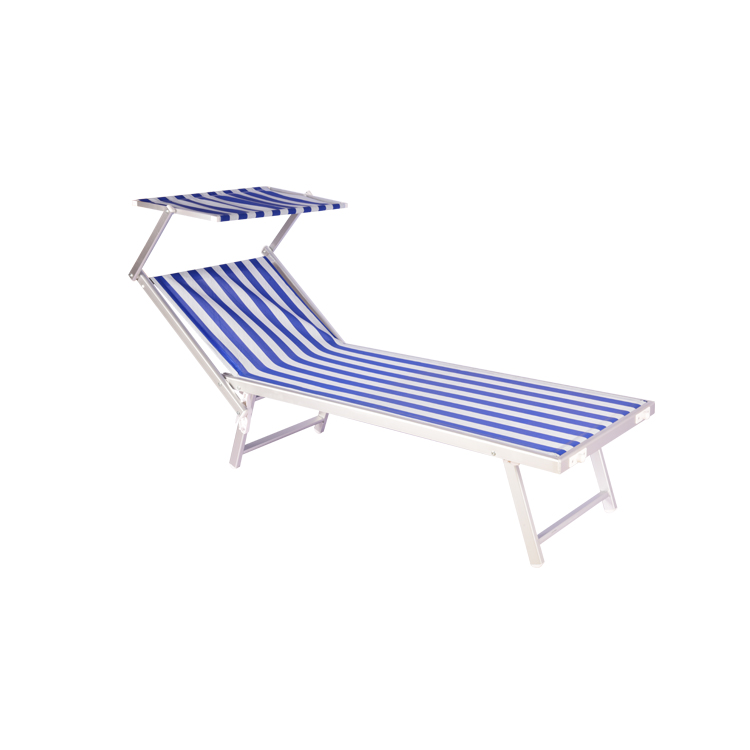
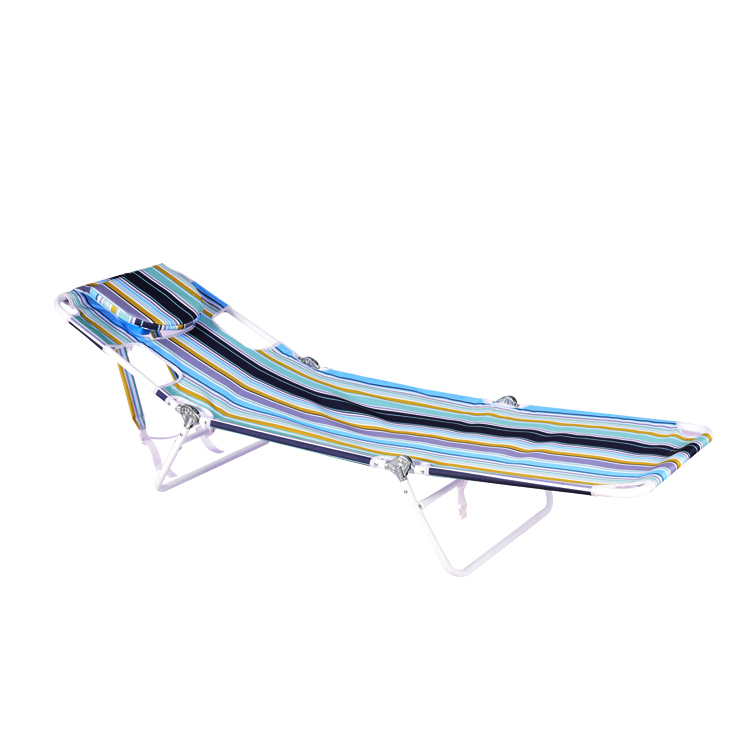
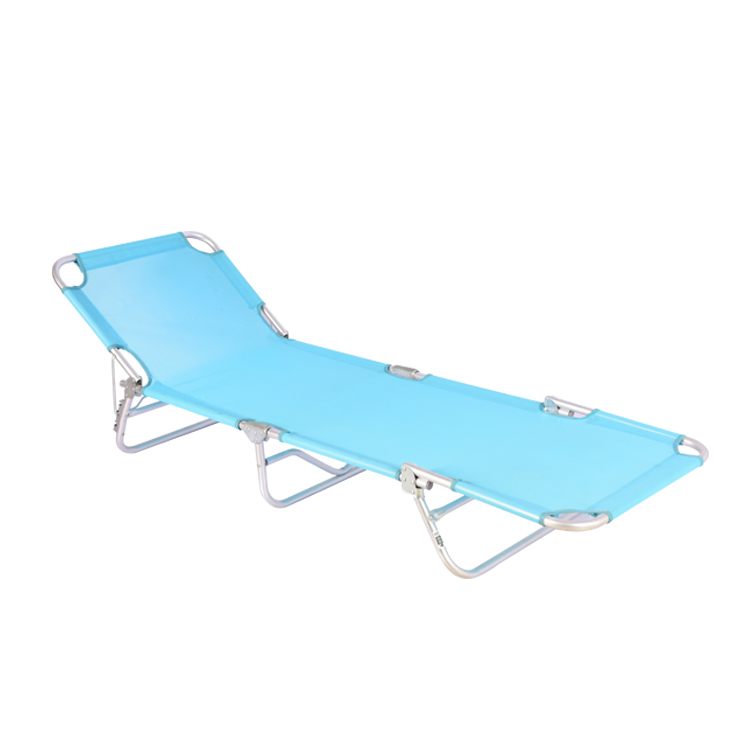
At Dasheng, we welcome inquiries from importers, wholesalers, retailers, and outdoor brands looking for camping chair sourcing solutions. Share your target market, preferred chair style, estimated order volume, frame and fabric requirements, branding needs, and packaging preferences with our team. These details help us assess suitable product options and clarify the specifications required for a quotation.

-
-
 TEL:
TEL:
- +86-13738961469
-
-
-
 EMAIL:
- cnds@cndsgm.com
-
-
-
 ADDRESS:
- Niubei Jincun, Baiyang Sub-district, Wuyi County, Jinhua City, Zhejiang Province, China
-
Outdoor Leisure Products Manufacturer

