


 русский
 Español
 Deutsch

Reclining Mechanisms Under Review: What Should Importers Test
Adjustable backrests make outdoor seating more versatile, allowing users to move between upright sitting and relaxed reclining positions. However, the convenience of multiple seating angles also introduces additional mechanical requirements. Locking components, hinges, connecting rods, and supporting frames must work together to maintain a stable position during use.
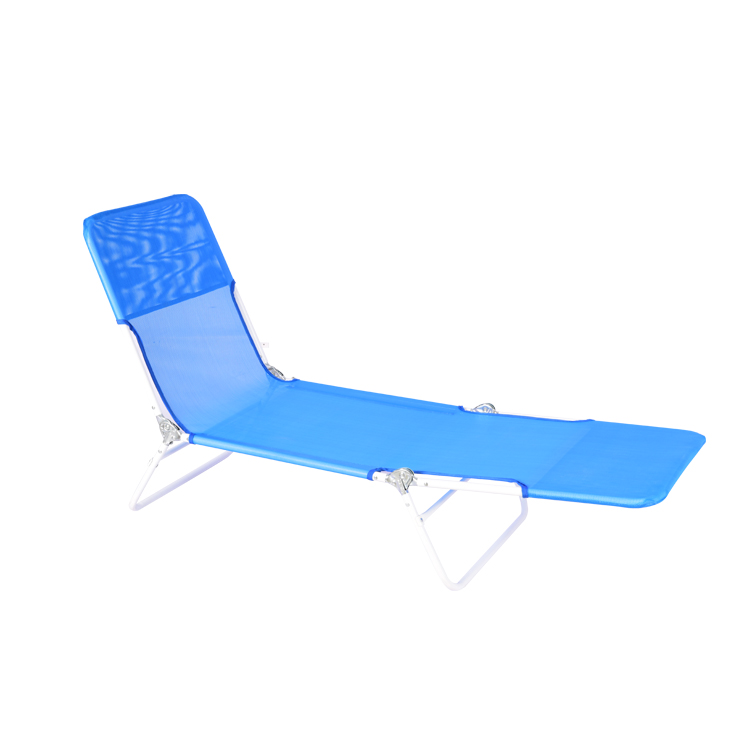
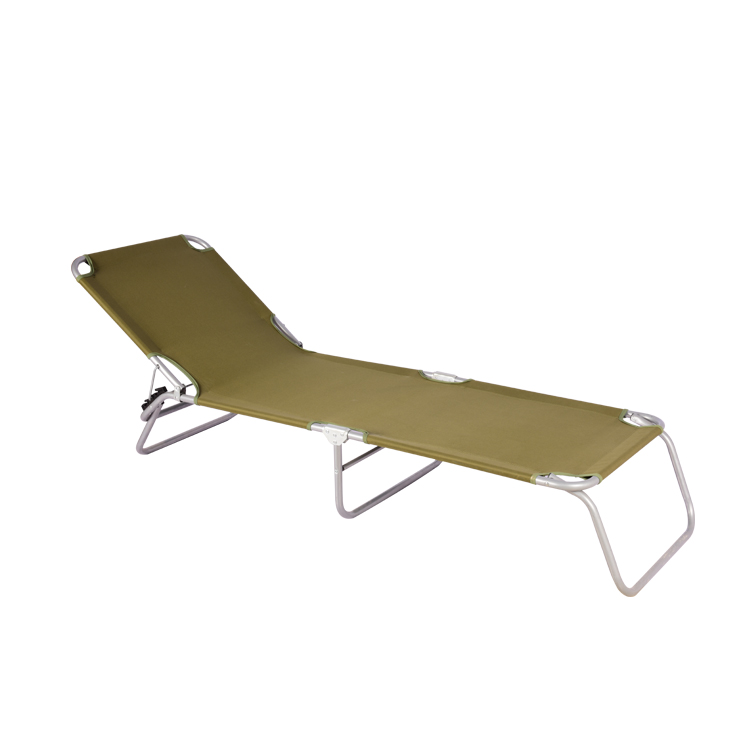
At Wuyi Dasheng Leisure Products Co., Ltd. (Dasheng), we understand that reclining functionality is an important consideration in outdoor furniture manufacturing. Our reclining outdoor camping chairs are designed around practical outdoor relaxation requirements. Importers should pay particular attention to adjustment performance and structural reliability before approving samples or confirming purchasing specifications.
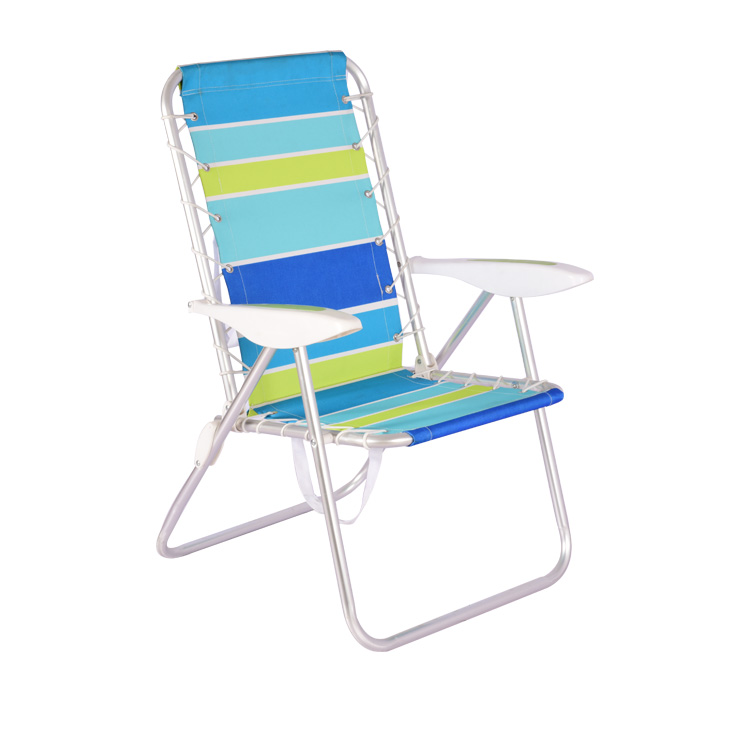
1. Examine the Reclining Mechanism Structure
Different outdoor lounge chairs use different backrest adjustment systems. Common designs include multi-position locking bars, adjustable hinge joints, and sliding support mechanisms. Each construction method has specific inspection requirements.
Key Components to Check
- Locking bars: Check whether the locking components engage securely at every available position.
- Hinge joints: Examine joint alignment, fastening quality, and smooth movement during adjustment.
- Support rods: Inspect their connection points and resistance to bending under normal use.
- Release controls: Confirm that users can change the backrest position without excessive force.
Importers should also confirm the number of reclining positions and the corresponding backrest angles. A clear specification helps prevent misunderstandings between approved samples and delivered products.
2. Test Locking Stability at Different Angles
A reclining chair should remain in its selected position without unexpected movement. A locking system that disengages easily may create safety concerns, particularly when users shift their body weight.
Dasheng recommends checking the following during sample evaluation:
- Set the backrest at every available adjustment position.
- Apply controlled pressure to the backrest and inspect possible movement.
- Check whether both sides of the adjustment system engage consistently.
- Observe whether the locking components release unintentionally during normal operation.
- Repeat the adjustment process to identify inconsistent engagement.
Particular attention should be given to the fully reclined position, where the user's weight distribution differs from the upright configuration. Stability should be evaluated across the complete adjustment range rather than at a single angle.
3. Evaluate Repeated Operation and Component Wear
Camping furniture is frequently folded, transported, opened, and adjusted. Repeated operation can gradually affect hinge connections, locking teeth, springs, and fastening components.
A practical inspection program should include several mechanical checks:
| Test Item | Inspection Method | Potential Problems |
| Adjustment cycles | Repeatedly change backrest positions | Joint wear or operating resistance |
| Lock engagement | Check locking performance at each angle | Slipping or incomplete engagement |
| Hinge inspection | Examine joints after repeated movement | Loosening or deformation |
| Frame loading | Apply controlled loads in relevant positions | Frame bending or connection damage |
| Folding operation | Repeat opening and closing procedures | Interference or damaged components |
Testing cycles should be established according to the product design, intended use, and applicable standards. EN 1728 provides seating strength and durability test methods, while EN 1022 addresses seating stability. The relevant requirements should be confirmed with the testing laboratory before product approval.
4. Check Frame Stability and User Safety
The reclining mechanism cannot perform reliably without adequate frame support. Backrest adjustment changes the distribution of weight across the seat, legs, and connecting structures. A chair that remains stable in an upright position may behave differently at a greater reclining angle.
Importers should examine these structural details:
- Frame material: Confirm tube material, dimensions, and wall thickness against the approved specification.
- Connection strength: Inspect welding, rivets, bolts, and other load-bearing joints.
- Ground contact: Check whether all supporting legs remain properly positioned during reclining.
- Pinch points: Review moving joints and gaps that could trap fingers during adjustment.
- Fabric tension: Examine seat and backrest fabric attachment under different seating positions.
5. What Should Importers Include in Sample Acceptance?
Physical sample approval provides an opportunity to identify mechanical problems before larger production batches begin. A structured inspection checklist makes communication between buyers and manufacturers more precise.
| Inspection Category | Recommended Acceptance Focus |
| Reclining positions | Confirm the specified number of positions and adjustment angles. |
| Locking performance | Verify secure engagement without unintended release. |
| Operating comfort | Check adjustment force and ease of operation. |
| Structural quality | Inspect frame joints, hinges, and support components. |
| Fabric workmanship | Check stitching, attachment points, and material consistency. |
| Packaging | Verify protection of moving parts during transportation. |
Buyers should document approved materials, dimensions, adjustment functions, and inspection requirements. These records provide a reference for production quality control and repeat purchasing arrangements.
6. Dasheng's Perspective on Reclining Camping Chair Manufacturing
At Wuyi Dasheng Leisure Products Co., Ltd., we recognize that reclining functionality involves more than adding an adjustable backrest. Mechanical coordination, frame construction, fabric attachment, and folding convenience all contribute to the finished product's usability.
Our manufacturing approach considers these elements together to address different outdoor leisure requirements. Importers can discuss reclining configurations, material specifications, product appearance, and packaging arrangements with our team according to their target markets.
A reliable reclining camping chair should maintain consistent adjustment performance throughout its intended service life. Careful mechanism testing, clear technical specifications, and structured sample inspections help buyers make informed purchasing decisions and develop outdoor furniture collections with greater confidence.

-
-
 TEL:
- +86-13738961469
-
-
-
 EMAIL:
- cnds@cndsgm.com
-
-
-
 ADDRESS:
- Niubei Jincun, Baiyang Sub-district, Wuyi County, Jinhua City, Zhejiang Province, China
-
Outdoor Leisure Products Manufacturer

