


 русский
 Español
 Deutsch

Rust Protection and Packaging: Two Priorities in Folding Furniture Sourcing
Metal folding furniture offers practical value for camping facilities, outdoor dining areas, event venues, and commercial leisure spaces. However, product quality does not depend solely on frame strength or folding convenience. Corrosion resistance and transportation protection also deserve careful attention, particularly for international shipments involving long-distance sea freight and changing humidity conditions.
At Wuyi Dasheng Leisure Products Co., Ltd. (Dasheng), we understand that buyers need to evaluate both product construction and delivery conditions. An outdoor metal folding table and chairs set should have suitable surface protection, reliable folding components, and packaging designed to reduce damage during storage and transportation.
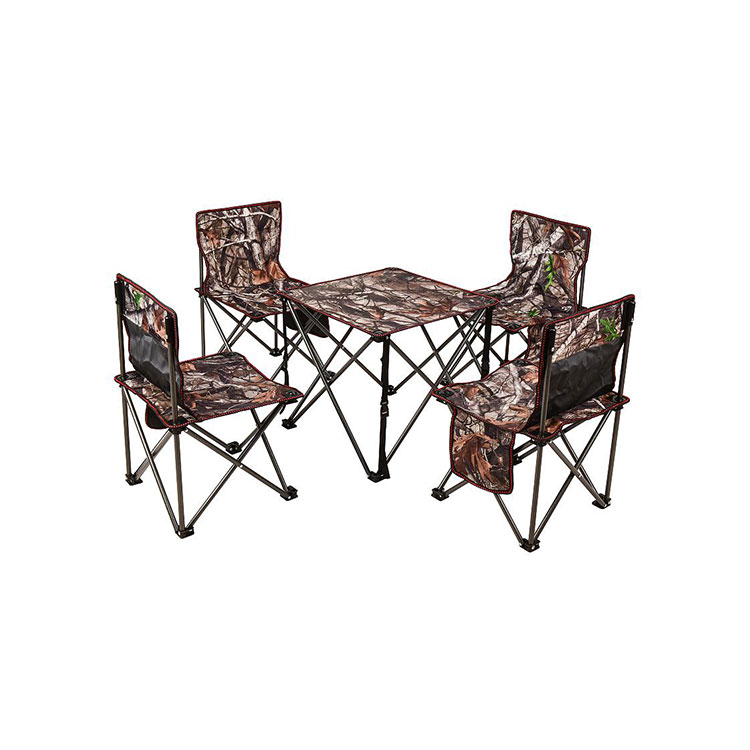
1. Why Rust Protection Matters in Outdoor Furniture Procurement
Outdoor metal furniture is regularly exposed to moisture, temperature changes, rain, and environmental contaminants. Coastal locations introduce additional challenges because salt particles can accelerate corrosion on inadequately protected metal surfaces.
Rust may affect more than product appearance. Corrosion around joints, welded sections, and folding mechanisms can gradually reduce structural reliability and interfere with normal operation.
Dasheng recommends that importers examine several aspects of metal protection:
- Base material: Confirm whether the frame uses carbon steel, galvanized steel, aluminum, or another specified metal.
- Surface treatment: Review the proposed powder coating, galvanization, or other corrosion protection process.
- Welded areas: Inspect welds and surrounding surfaces for incomplete coating or exposed metal.
- Fasteners: Check screws, hinges, bolts, and connecting hardware for suitable corrosion resistance.
- Drainage design: Examine hollow frame sections for water accumulation risks.
2. Comparing Common Metal Surface Protection Methods
Different metal finishing methods offer different levels of protection, appearance, and maintenance requirements. The appropriate solution depends on the frame material, intended environment, and purchasing budget.
| Surface Treatment | Main Characteristics | Procurement Considerations |
| Powder Coating | Creates a decorative and protective surface layer. | Check coating thickness, adhesion, and coverage. |
| Hot-Dip Galvanization | Provides a zinc coating for steel corrosion protection. | Inspect coverage around welds, edges, and openings. |
| Electroplating | Deposits a metal coating onto the component surface. | Confirm coating specifications and environmental suitability. |
| Anodizing | Creates a protective oxide layer on aluminum. | Check finish consistency and application requirements. |
Powder coating is commonly used for outdoor metal furniture because it combines surface protection with color customization. However, coating quality depends on surface preparation, application consistency, and curing conditions. A visually attractive finish alone cannot establish long-term corrosion resistance.
3. Which Tests Should Buyers Request?
Importers should request measurable inspection results rather than relying entirely on supplier descriptions such as rust-resistant or weatherproof.
Salt Spray and Coating Adhesion Tests
- Salt spray testing: ASTM B117 provides a controlled method for evaluating the corrosion resistance of coated metal specimens under salt fog exposure.
- Cross-cut adhesion testing: ISO 2409 helps assess the adhesion of coating films to their substrates.
- Coating thickness measurement: ISO 2808 provides methods for determining coating thickness.
- Visual inspection: Check scratches, bubbles, peeling, uneven coverage, and exposed metal.
Test duration and acceptance criteria should be agreed upon before production. Importers should also confirm that the tested material, coating system, and production batch correspond to the actual purchasing specification. Salt spray results should not be treated as a direct prediction of outdoor service life.
4. Packaging Requirements for Folding Metal Tables and Chairs
Corrosion protection addresses environmental exposure, while packaging helps prevent physical damage during transportation. Metal furniture can experience friction, impact, compression, and movement inside cartons or shipping containers.
Dasheng recommends considering the following packaging details:
- Protective wrapping: Use suitable nonwoven fabric, foam, or other protective materials to separate metal surfaces.
- Corner protection: Add protective components around vulnerable edges and frame corners.
- Component separation: Prevent table legs, chair frames, and hardware from rubbing against each other.
- Carton strength: Confirm that packaging can withstand stacking and normal transportation handling.
- Moisture management: Ensure products are dry before packing and consider suitable moisture-control measures for sea freight.
- Shipping labels: Provide clear product identification, handling instructions, and carton information.
5. How Can Importers Reduce Shipping Damage?
Packaging design should reflect the actual dimensions, weight, and folding structure of the furniture. Excessive empty space may allow products to move inside cartons, while insufficient protection can cause scratches and deformation.
Before confirming bulk production, buyers should review:
| Inspection Item | Recommended Check |
| Folded dimensions | Confirm product measurements and carton compatibility. |
| Frame protection | Check contact points and protective wrapping. |
| Carton performance | Review stacking strength and transportation suitability. |
| Moisture protection | Inspect product dryness and packaging conditions. |
| Container loading | Check stacking arrangement, load distribution, and cargo stability. |
Buyers should also request packaging photographs or conduct a packed-sample inspection before shipment. These checks help identify potential damage risks before products enter the international transportation process.
6. Dasheng's Approach to Folding Furniture Quality
At Wuyi Dasheng Leisure Products Co., Ltd., we recognize that outdoor furniture procurement involves several connected requirements. Metal finishing, folding structures, hardware quality, and packaging arrangements all influence the condition of the finished goods delivered to customers.
Our approach focuses on communicating product specifications clearly and coordinating manufacturing requirements with buyer expectations. Distributors and wholesalers can discuss frame materials, surface finishing options, product dimensions, packaging configurations, and inspection requirements during the purchasing process.
Rather than evaluating furniture solely by its initial appearance or quotation, importers should consider the complete process from material preparation to final shipment.
Quality Protection Extends Beyond Manufacturing
Rust prevention and packaging are closely connected to the purchasing risks associated with outdoor metal furniture. Suitable surface treatments help protect metal components against corrosion, while carefully planned packaging reduces scratches, deformation, and moisture-related damage during transportation.
At Dasheng, we believe that clear specifications and practical quality inspections provide a reliable foundation for international furniture cooperation. Importers interested in folding tables and chairs can contact our team to discuss manufacturing details, surface treatment requirements, and customized packaging solutions for their target markets.

-
-
 TEL:
- +86-13738961469
-
-
-
 EMAIL:
- cnds@cndsgm.com
-
-
-
 ADDRESS:
- Niubei Jincun, Baiyang Sub-district, Wuyi County, Jinhua City, Zhejiang Province, China
-
Outdoor Leisure Products Manufacturer

