


 русский
  Español
  Deutsch
Are Reclining Lounge Chairs Comfortable for Long Outdoor Sitting Sessions
Outdoor relaxation has shifted from short breaks to extended lounging sessions, especially in patios, poolside, and in garden spaces. A reclining structure is often seen as the key feature that defines comfort, yet long-duration sitting reveals a more complex interaction between posture support, pressure distribution, and adjustability.
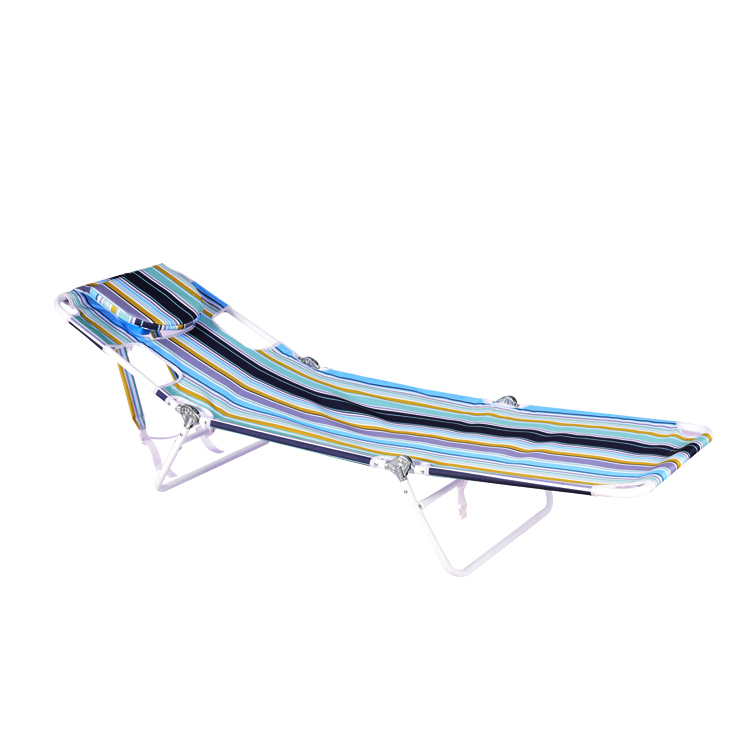
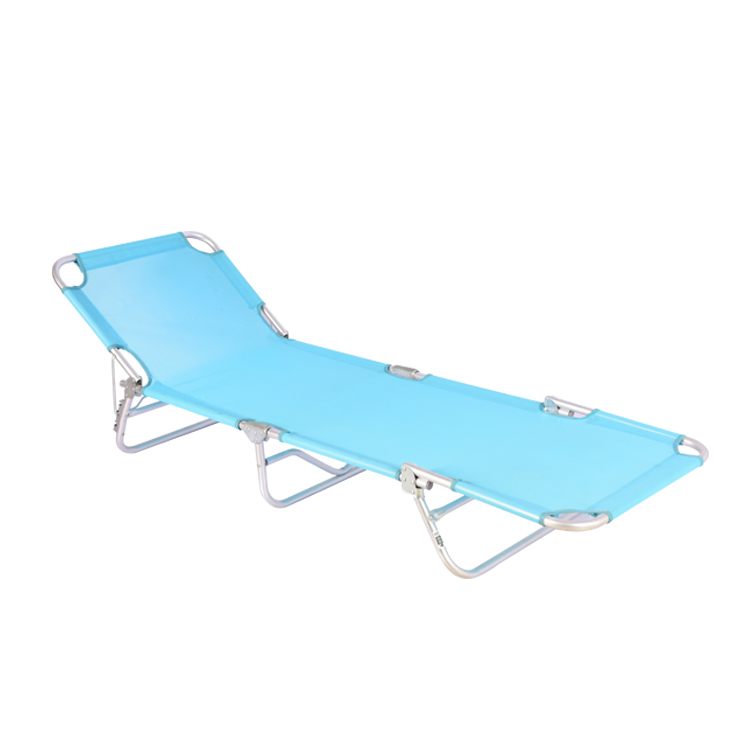
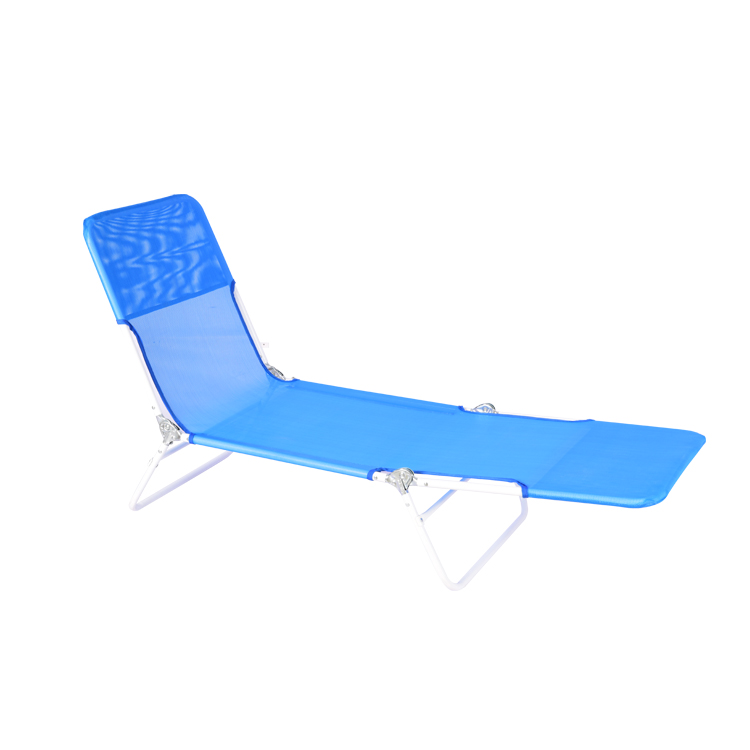
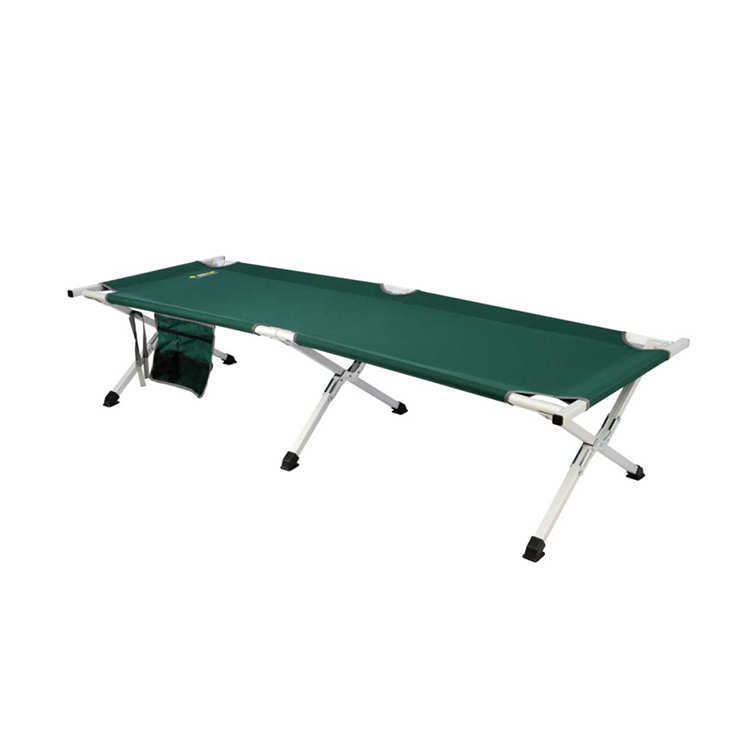
An outdoor leisure lounge chair is no longer just a resting seat. Modern designs function as ergonomic systems that attempt to reduce muscle fatigue, maintain spinal alignment, and adapt to multiple body positions across extended use periods.
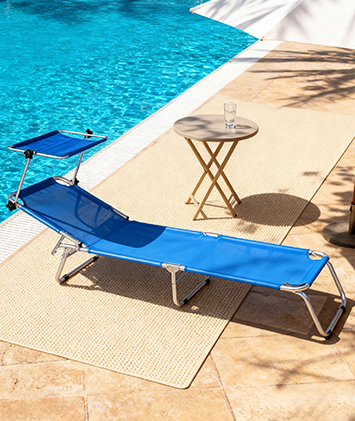
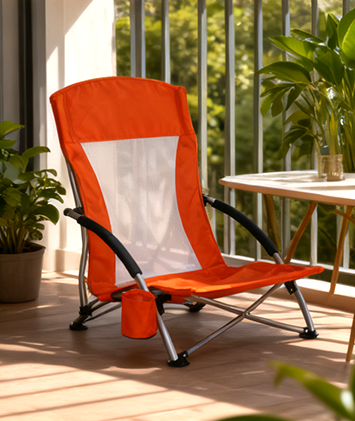
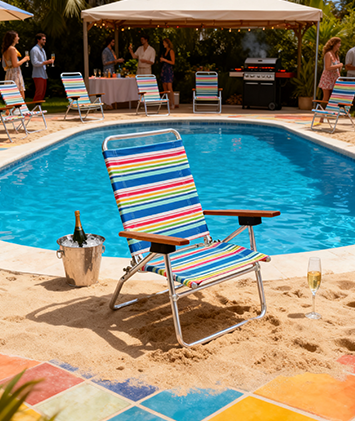
Recline Angle and Body Pressure Distribution
Comfort during long sitting sessions depends heavily on how body weight is distributed across the seat and backrest. Adjustable reclining changes the angle of force between the hips, spine, and legs, reducing localized pressure buildup.
- Upright positions (95°–110°) support reading or light activity while keeping spinal alignment active.
- Mid recline (110°–130°) reduces lumbar load and shifts weight toward the backrest.
- Deep recline (130°–150°) distributes pressure across the back and legs, reducing fatigue during rest periods.
Studies on seating ergonomics show that pressure redistribution plays a critical role in reducing discomfort during extended sitting, especially when posture remains unchanged for long durations.
Why Reclining Designs Reduce Fatigue
Static posture is one of the main causes of discomfort during outdoor lounging. Muscles continuously hold position, leading to tension buildup in the lower back and thighs.
- Adjustable backrests allow periodic posture changes without standing up.
- Leg elevation in reclined positions improves circulation and reduces pressure on the hips.
- Segmented support zones reduce strain on single contact points.
High-quality reclining systems often include multiple lock positions, allowing users to shift posture gradually throughout the day instead of remaining in one fixed angle.
Frame Design Differences That Affect Comfort
Structural engineering plays a major role in long-term seating comfort. Even small changes in frame geometry can significantly affect how pressure is distributed across the body.
- Aluminum frames provide rigidity while maintaining lighter weight for repositioning.
- Steel reinforced joints improve stability during deep recline positions.
- Anti-slip hinge systems prevent unwanted angle changes during movement.
Products from an outdoor leisure lounge chair production line often integrate reinforced pivot points to ensure smooth transitions between reclining levels without sudden instability.
Seat Material and Long Sitting Comfort
Material selection determines heat buildup, airflow, and surface pressure distribution. These factors become increasingly important after extended outdoor exposure.
- Breathable mesh fabrics improve ventilation and reduce heat accumulation.
- High-density foam cushions provide support without excessive sinking.
- Quick-dry materials reduce discomfort after humidity or water exposure.
Mesh-based sling systems are widely used because they distribute load evenly across the back and prevent pressure hotspots during prolonged use.
Ergonomic Factors That Matter More Than Recline Angle
Recline adjustment alone does not guarantee comfort. Several ergonomic elements influence long-session usability more significantly than angle flexibility.
- Lumbar curvature support maintains natural spine alignment over time.
- Seat depth proportion ensures thighs are fully supported without pressure behind the knees.
- Armrest positioning reduces shoulder strain during reading or device use.
Without these elements, even a highly adjustable recliner may still feel uncomfortable after extended sitting periods.
Real Outdoor Conditions Change Comfort Performance
Outdoor environments introduce variables that indoor seating does not face. Sun exposure, wind, temperature shifts, and surface unevenness all influence comfort perception.
- Direct sunlight increases surface temperature, affecting perceived softness of cushions.
- Wind resistance affects stability in lightweight reclining positions.
- Uneven ground alters balance even in well-designed recline systems.
These environmental factors explain why outdoor seating comfort often differs from controlled indoor ergonomics.
Engineering Approach in Modern Lounge Chairs
Manufacturers continuously refine recliner structures to improve long-session comfort. Mechanical and material innovations focus on stability, adjustability, and pressure balance.
- Multi-position locking systems enable controlled posture transitions.
- Ergonomic frame curvature aligns with natural spinal shape.
- Reinforced load paths distribute body weight evenly across structural joints.
These design improvements reflect the evolution of recliners from simple resting furniture into structured support systems for prolonged outdoor use.
Reclining lounge chairs can support long outdoor sitting sessions effectively, although comfort depends on more than just adjustable angles. Material quality, ergonomic structure, pressure distribution, and environmental adaptability all contribute to overall performance.
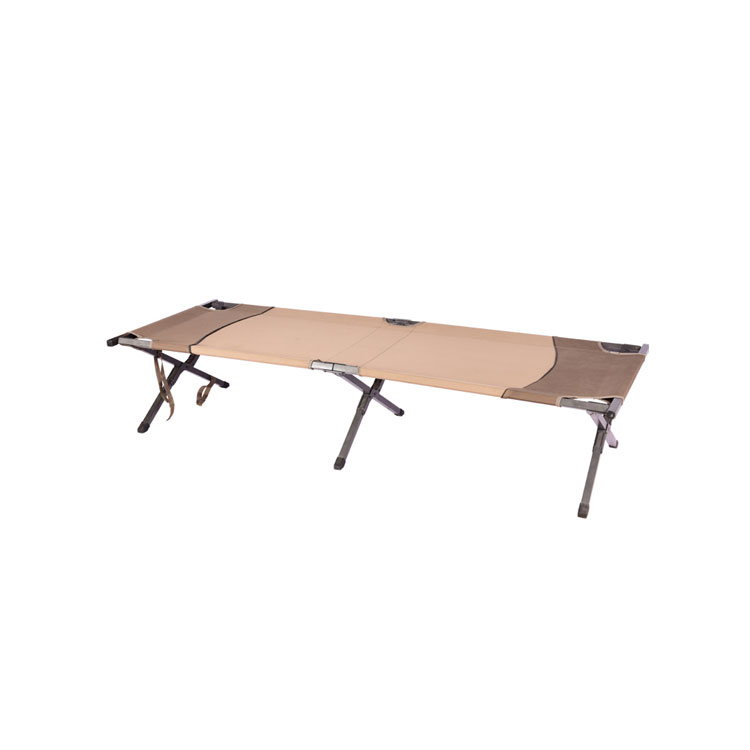
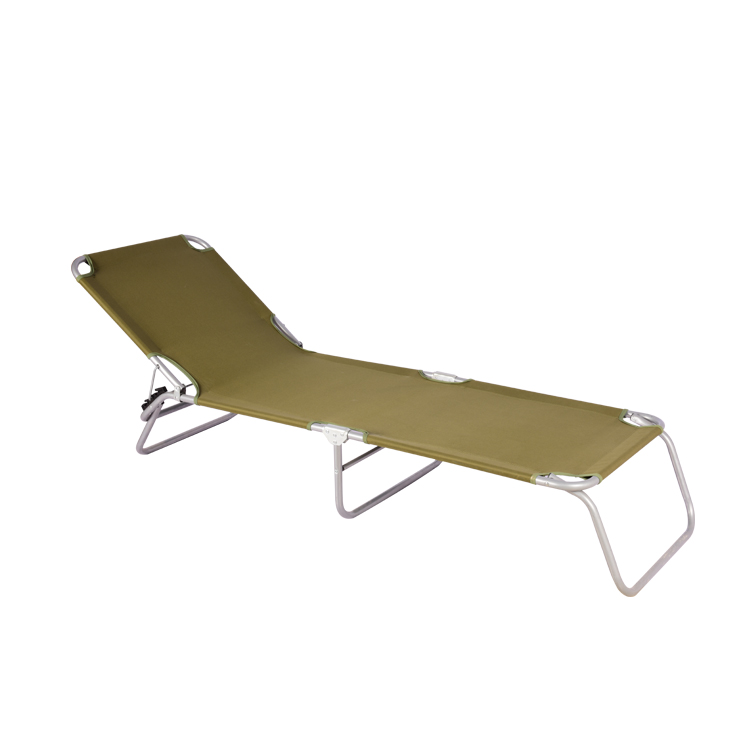
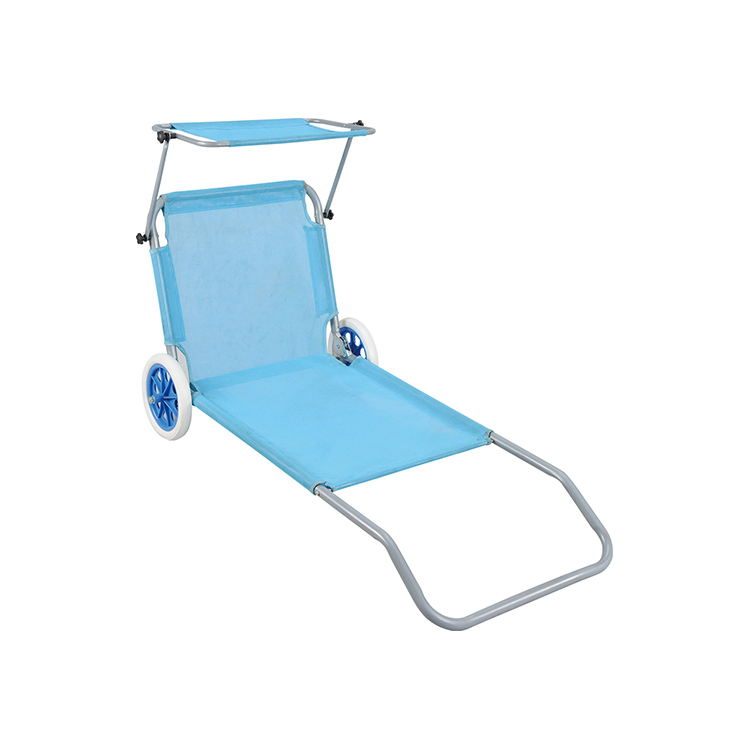
A well-designed outdoor leisure lounge chair integrates these factors to maintain comfort across extended use, making it suitable for reading, resting, or social outdoor activities without significant fatigue buildup.

-
-
 TEL:
TEL:
- +86-13738961469
-
-
-
 EMAIL:
- cnds@cndsgm.com
-
-
-
 ADDRESS:
- Niubei Jincun, Baiyang Sub-district, Wuyi County, Jinhua City, Zhejiang Province, China
-
Outdoor Leisure Products Manufacturer

