


 русский
  Español
  Deutsch
Are Compact Folding Chairs Still Comfortable for All-Day Beach Use
Compact seating has become a practical solution for beachgoers who prioritize portability over bulk. Lightweight folding structures are easy to carry across sand, yet concerns remain about whether reduced size compromises comfort during long hours of sitting under the sun, wind, and salt exposure.
A modern China outdoor leisure chair factory often designs compact models with travel efficiency in mind, but comfort depends on how well ergonomics, fabric support, and structural geometry are balanced within a smaller frame.
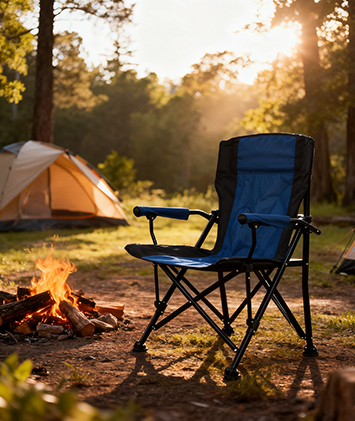
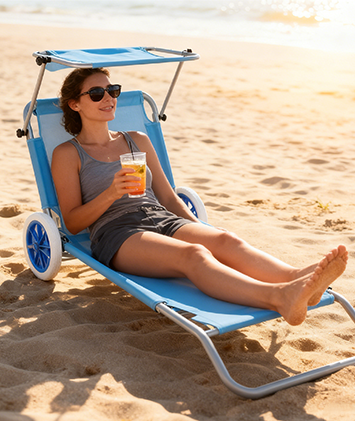
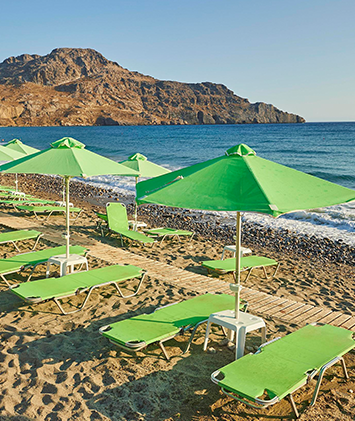
Compact Design vs Long Sitting Reality
Compact chairs are engineered to reduce folded size and overall weight. That efficiency improves portability but also limits cushioning thickness and structural space for ergonomic shaping.
- Reduced seat depth shortens thigh support during extended sitting.
- Lower padding volume increases pressure on sit bones over time.
- Slim frame profiles limit built-in lumbar shaping.
These trade-offs are intentional, allowing users to carry chairs in backpacks or shoulder bags while walking long distances across beach terrain.
Why Compact Chairs Still Feel Comfortable at the Start
Initial comfort is often strong due to lightweight fabrics and flexible frame tension systems. Many users feel satisfied during early use before fatigue begins to accumulate.
- Tensioned mesh fabrics distribute weight evenly across the seat surface.
- Low seating height improves stability on soft sand.
- Breathable materials reduce heat buildup during short rest periods.
Industry testing of compact beach chairs often highlights portability as the primary advantage, while extended comfort becomes dependent on additional design features rather than size alone.
Pressure Build-Up During All-Day Use
Long beach sessions expose the physical limits of compact structures. Without thicker cushioning or adjustable posture support, pressure concentrates in specific body areas.
- Hip pressure increases after extended sitting due to limited foam density.
- Lower back fatigue develops faster in fixed-angle backrests.
- Leg circulation can feel restricted in narrow seat designs.
Research on outdoor seating ergonomics shows that static posture over long durations contributes more to discomfort than chair size alone, making adjustability a critical factor.
Material Engineering in Compact Beach Chairs
Manufacturers balance weight reduction with durability by selecting lightweight alloys and quick-drying textiles. These choices directly influence comfort over long use periods.
- Aluminum alloy frames (1.0–1.5 mm wall thickness) reduce carrying load without sacrificing basic strength.
- 600D–1200D polyester fabrics provide moderate durability with fast drying capability.
- Mesh back panels improve airflow during hot afternoon exposure.
These specifications are commonly optimized by a china outdoor leisure chair factory to meet export requirements for beach and travel markets.
Stability and Comfort on Sand Surfaces
Beach terrain introduces instability that affects compact chairs more noticeably than heavier models. Narrow frame footprints interact differently with shifting sand compared to wider-base designs.
- Small foot caps increase sinking risk in dry sand zones.
- Low-profile designs improve wind resistance but reduce posture flexibility.
- Uneven ground amplifies minor frame flex during movement.
Despite these challenges, compact chairs remain widely used because they offer a practical balance between mobility and basic seating support in outdoor environments.
What Defines “All-Day Comfort” in Compact Seating
All-day comfort is not determined by size alone. It depends on how well the chair manages posture changes, heat exposure, and continuous pressure distribution across multiple hours.
- Adjustable recline positions allow posture variation during long sitting sessions.
- Enhanced lumbar support zones reduce spinal fatigue accumulation.
- Wider seat geometry improves long-duration usability even in compact formats.
Without these features, compact chairs are generally more suitable for intermittent use rather than continuous full-day lounging.
Engineering Trade-Off Behind Compact Portability
The main advantage of compact folding chairs is portability, but every size reduction introduces structural compromise. Manufacturers continuously adjust material thickness, joint reinforcement, and fabric tension to maintain acceptable comfort levels.
A well-developed china outdoor leisure chair factory typically focuses on balancing three priorities: transport convenience, structural safety, and ergonomic performance. The final product reflects a compromise between beach mobility demands and long-duration seating expectations.
Compact folding chairs can remain reasonably comfortable for all-day beach use, although their performance depends heavily on design quality and ergonomic enhancements. Lightweight construction supports portability, while material selection and structural refinement determine long-session comfort.
For extended beach stays, features such as adjustable recline, breathable fabrics, and reinforced support zones become more important than compact size alone, shaping the overall user experience across a full day outdoors.

-
-
 TEL:
TEL:
- +86-13738961469
-
-
-
 EMAIL:
- cnds@cndsgm.com
-
-
-
 ADDRESS:
- Niubei Jincun, Baiyang Sub-district, Wuyi County, Jinhua City, Zhejiang Province, China
-
Outdoor Leisure Products Manufacturer

