


 русский
 Español
 Deutsch

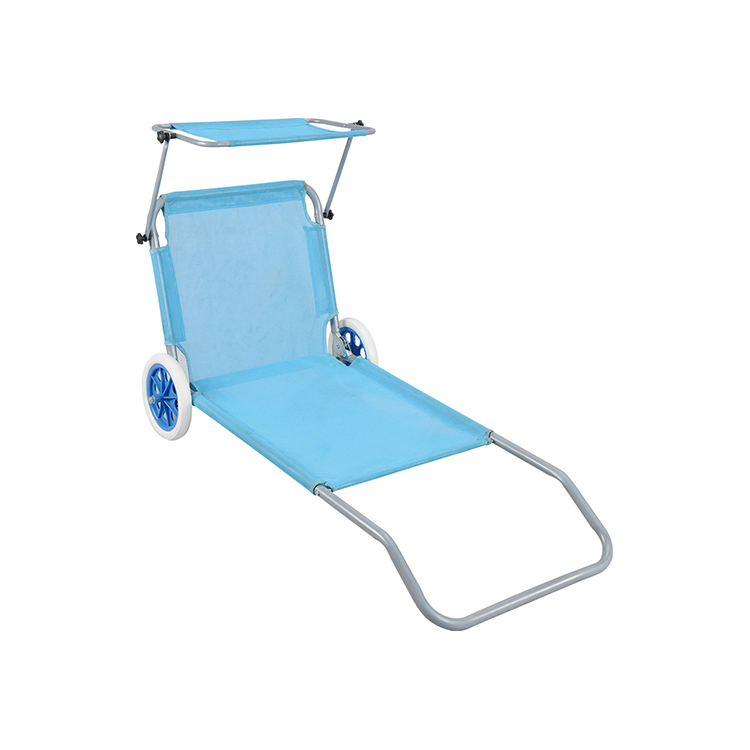
Is a Beach Chair Canopy Enough for Effective UV Protection
A relaxing day at the beach should not come with unnecessary exposure to ultraviolet (UV) radiation. Beach chairs with built-in canopies offer a convenient way to create personal shade, but the presence of a canopy does not automatically mean that users receive sufficient sun protection. Fabric density, canopy dimensions, adjustable angles, frame construction, and surrounding environmental conditions all influence the actual protection provided.
At Wuyi Dasheng Leisure Products Co., Ltd. (Dasheng), we understand that sun protection is an important consideration in the development and manufacturing of outdoor leisure furniture. A sunshade beach chair should combine practical shade coverage with portability, structural stability, and convenient operation. Understanding how these elements work together helps distributors, importers, and outdoor furniture retailers evaluate products more accurately.
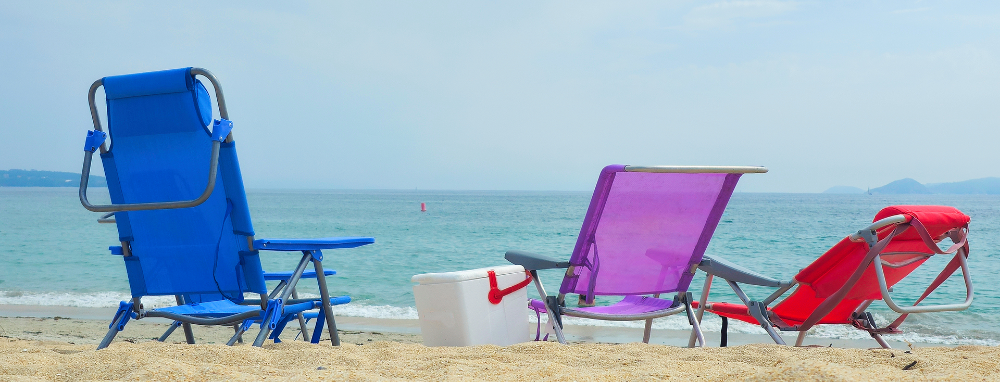
1. Understanding the Actual UV Protection of a Beach Chair Canopy
A canopy creates a shaded area between the user and direct sunlight. However, UV radiation does not travel exclusively in a straight line from the sun. Some radiation reaches the body through atmospheric scattering and reflection from nearby surfaces, including sand, seawater, concrete, and other beach facilities.
Consequently, sitting beneath a small canopy does not eliminate all UV exposure. The protective effect depends on several interconnected factors:
- Fabric UV transmission: The amount of ultraviolet radiation that passes through the canopy material.
- Canopy coverage: The shaded area relative to the user's head, shoulders, arms, and upper body.
- Sun direction: Changes in sunlight angle throughout the day can expose areas previously covered by the canopy.
- Reflected radiation: Light reflected from sand and water can reach exposed skin from different directions.
- Canopy positioning: The distance between the fabric and the seated user affects the location and size of the shadow.
At Dasheng, we consider shade coverage and material performance together rather than treating canopy installation as the only requirement. This approach provides a more practical basis for evaluating outdoor seating products.
2. Fabric Selection: What Determines UV Blocking Performance?
The canopy fabric is directly responsible for limiting the amount of UV radiation transmitted through its surface. Material composition alone cannot establish its protective performance. Fabric construction, thickness, weave density, color, coatings, and resistance to outdoor exposure also deserve attention.
Fabric Density and Weave Structure
Tightly woven fabrics generally allow less ultraviolet radiation to pass through than loosely woven alternatives. Small openings between yarns can permit sunlight to penetrate the material, particularly under strong outdoor conditions.
During material evaluation, Dasheng recommends examining the following characteristics:
- Weave density: A compact structure helps reduce gaps between individual yarns.
- Fabric weight: Heavier fabrics of comparable construction may provide better UV resistance, although weight alone cannot establish a protection rating.
- Surface coating: Specialized coatings can improve resistance to sunlight, moisture, and outdoor wear.
- Color consistency: Different fabric colors may have different UV transmission characteristics.
- Weather resistance: Resistance to fading, stretching, and material deterioration supports longer outdoor service.
Understanding UVE and UPF Ratings
Buyers should pay attention to the difference between Ultraviolet Effectiveness (UVE) and Ultraviolet Protection Factor (UPF). These terms are not interchangeable in every application.
UPF is commonly used to evaluate the UV protection provided by clothing materials. Shade fabrics intended for structures such as canopies can instead be assessed through the UVE rating under AS 4174:2018, which evaluates knitted and woven shade fabrics.
| UVE Rating | Protection Category | Procurement Consideration |
| 80.0%–90.9% | Effective | Review suitability for the intended outdoor application. |
| 91.0%–94.9% | Very Effective | Consider coverage requirements and material durability. |
| 95.0% or above | Most Effective | Request supporting test documentation and verify the complete canopy design. |
These categories follow the Australian shade-fabric classification system. They describe fabric performance rather than guaranteeing the same protection level for an entire chair. Buyers should request relevant test reports instead of relying solely on general marketing descriptions.
3. Canopy Dimensions and Adjustable Design Matter
A high-performing fabric cannot compensate for insufficient coverage. A canopy that protects the user's head but leaves the shoulders and arms exposed may offer limited practical value during extended beach activities.
Evaluating Coverage Dimensions
Dasheng recommends assessing canopy dimensions in relation to the chair's seating area and backrest height. Buyers should consider the following design points:
- Canopy width: Sufficient horizontal coverage helps shade the head and upper body.
- Canopy depth: Greater front-to-back coverage can provide additional protection against overhead sunlight.
- Mounting height: The distance between the canopy and the user's body influences shadow positioning.
- Adjustment range: Multiple positioning options help users adapt to changing sunlight directions.
- Side coverage: Extended canopy panels or additional side protection can reduce exposure from angled sunlight.
Why Adjustable Canopies Are Useful
The sun's position changes throughout the day. A fixed canopy may provide adequate overhead shade around midday but become less effective during morning or afternoon hours.
An adjustable design allows users to change the canopy angle according to their seating position and surrounding conditions. Depending on the product structure, adjustment may involve pivoting joints, rotating connectors, or manually repositioned support arms.
From our manufacturing perspective, these mechanisms should balance flexibility with secure positioning. A canopy that moves too easily under light wind may require additional locking support, while an overly complicated adjustment structure can make daily operation inconvenient.
4. Frame Stability and Hardware Quality Affect Outdoor Performance
Sun protection is only one part of a functional beach chair. The frame and canopy support system must also withstand repeated folding, transportation, and outdoor use.
Dasheng pays attention to the relationship between structural components and overall product usability during beach chair manufacturing.
| Component | Important Technical Considerations | Inspection Focus |
| Main frame | Tube material, wall thickness, connection design | Load stability and deformation resistance |
| Canopy support rods | Rod diameter, material strength, joint structure | Resistance to bending and loosening |
| Adjustment joints | Rotation range, locking structure, fastening quality | Repeated adjustment performance |
| Fabric connections | Stitching, reinforced edges, attachment points | Pulling resistance and seam consistency |
| Folding mechanisms | Hinge design and connecting hardware | Opening and closing operation |
Considerations for Coastal Environments
Beach environments expose outdoor furniture to salt, moisture, sand, and strong sunlight. These conditions can affect metal hardware, fabric surfaces, and moving connections over time.
- Metal components should have suitable corrosion-resistant treatments for their intended application.
- Fabric should be evaluated for color fading and deterioration under UV exposure.
- Hinges and adjustment joints should operate without excessive friction or unwanted movement.
- Reinforced stitching around canopy attachment points helps support repeated use.
- Foldable components should remain functional after repeated opening and closing cycles.
5. How Should Importers Evaluate Sunshade Beach Chair Samples?
Product photographs and specification sheets provide useful reference information, but physical sample inspections remain important before confirming a bulk purchasing plan. Importers should evaluate the complete chair rather than examining the canopy fabric separately.
Recommended Sample Inspection Checklist
- Fabric documentation: Request available UV transmission or UVE test reports and confirm the tested material matches the production specification.
- Coverage assessment: Open the chair and check the actual shaded area from different seated positions.
- Adjustment testing: Move the canopy through its available positions and examine the locking mechanism.
- Frame inspection: Check welding, fastening points, tube connections, and surface finishing.
- Folding evaluation: Repeat opening and closing operations to identify resistance or loose connections.
- Outdoor exposure review: Request information about fabric weather resistance and metal corrosion protection.
- Packaging inspection: Check whether the folded chair and canopy components are adequately protected during storage and transportation.
Buyers should also establish clear acceptance criteria before sample approval. Specifications for canopy dimensions, fabric composition, stitching quality, frame materials, and hardware should be documented to reduce differences between approved samples and subsequent production batches.
6. Additional Sun Protection Measures for Beach Chair Users
A canopy should be regarded as one part of a broader sun protection arrangement. Even well-designed shade structures cannot completely prevent scattered and reflected UV radiation from reaching exposed skin.
Dasheng encourages users to combine shaded seating with other practical protective measures:
- Apply broad-spectrum sunscreen to exposed skin and follow the product's reapplication instructions.
- Wear protective clothing, a suitable hat, and sunglasses.
- Reposition the canopy as sunlight changes direction.
- Use additional beach shade equipment during extended outdoor activities.
- Pay attention to local UV index information and reduce direct sun exposure during periods of elevated UV intensity.
These measures are particularly relevant at beaches because sand and water can reflect UV radiation. A shaded seating position should not be interpreted as complete protection from sunlight.
7. What Should Distributors Look for in a Beach Chair Manufacturer?
Product design and manufacturing consistency are important considerations for importers developing an outdoor furniture product range. A canopy-equipped chair involves several components that must work together, making supplier evaluation more detailed than a simple fabric or frame comparison.
At Dasheng, we recommend discussing the following subjects during supplier communication:
Product Customization and Specification Control
- Canopy configurations: Discuss available shapes, dimensions, adjustment structures, and fabric options.
- Frame specifications: Confirm the proposed frame material, tube dimensions, and surface treatment.
- Branding requirements: Discuss fabric printing, logo placement, and packaging customization.
- Quality inspection: Establish inspection procedures for materials, assembly, functional operation, and finished products.
- Documentation: Clarify available material reports, product specifications, and applicable testing records.
Clear communication about these details helps distributors compare quotations based on actual product configurations rather than price alone. It also provides a reference for production control and subsequent repeat orders.
A Canopy Is Useful, but Its Performance Depends on the Complete Design
Is a beach chair canopy enough for effective UV protection? It provides a valuable shaded area, but its actual performance depends on fabric UV transmission, coverage dimensions, positioning, structural design, and environmental conditions. No single feature can determine the overall protection level of the finished product.
At Wuyi Dasheng Leisure Products Co., Ltd., we approach outdoor chair manufacturing with attention to material selection, structural coordination, folding convenience, and practical product requirements. We believe that a well-designed canopy-equipped beach chair should offer more than visual shade. Its fabric, support structure, and adjustment system should work together to meet the intended outdoor application.
Distributors and importers interested in developing beach leisure furniture ranges can contact Dasheng to discuss product specifications, customization requirements, and manufacturing solutions. A clear understanding of shade performance and construction details provides a useful foundation for building a reliable outdoor furniture purchasing plan.

-
-
 TEL:
- +86-13738961469
-
-
-
 EMAIL:
- cnds@cndsgm.com
-
-
-
 ADDRESS:
- Niubei Jincun, Baiyang Sub-district, Wuyi County, Jinhua City, Zhejiang Province, China
-
Outdoor Leisure Products Manufacturer

