


 русский
  Español
  Deutsch
Dual Upgrade in Environmental Friendliness and Comfort: New Recycled Material Beach Chairs Become the New Trend at Coastal Resorts
As the concept of green consumption gains widespread popularity, beach chair products that combine environmental friendliness with practical performance have recently emerged prominently in the market. Major brands are actively investing in the application of recycled materials. A beach chair made from ocean-recovered plastic has garnered significant attention immediately upon its launch, thanks to its design philosophy of "Originating from the ocean, giving back to the ocean."
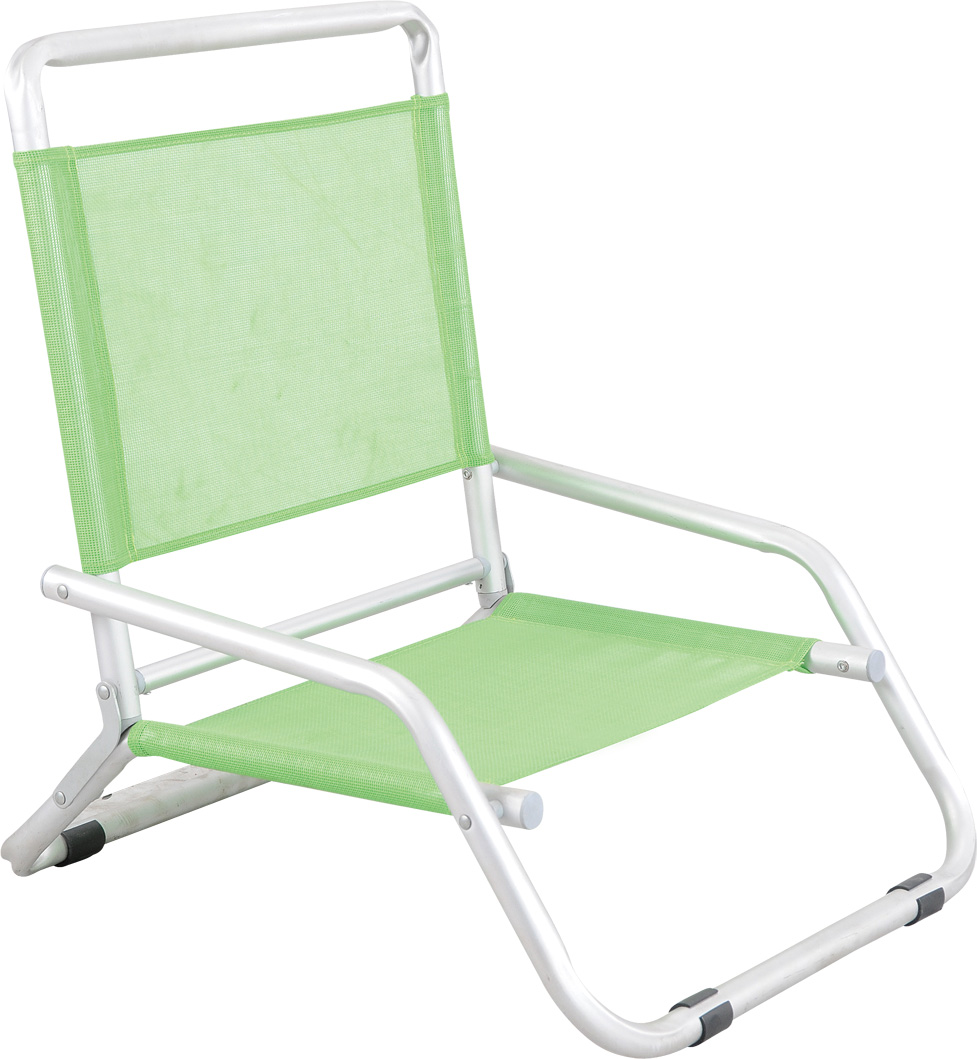
Both the frame and fabric of this eco-friendly beach chair are crafted from recycled ocean plastic through specialized processes. Not only does it address the problem of marine plastic pollution, but its material performance has also passed rigorous outdoor use tests. Lab results show that the fabric boasts an ultraviolet (UV) protection factor (UPF) of 50+, effectively blocking over 98% of UV rays. It also exhibits excellent resistance to salt and alkali corrosion—even with long-term exposure to seawater, it is not prone to aging or damage, and its service life is nearly 30% longer than that of traditional beach chairs.
In terms of practical design, the product retains its lightweight advantage: when folded, it is only 5 centimeters thick and weighs 1.1 kilograms. Equipped with a custom portable storage bag, it can be easily carried with one hand. The seat features a honeycomb breathable structure, which enables rapid moisture wicking even in the humid coastal environment, preventing stickiness during prolonged sitting. Additionally, the chair legs are designed with curved, wide edges—this not only increases the contact area with the sand to prevent the chair from sinking into soft terrain but also minimizes damage to the beach surface, aligning with the environmental protection theme.
According to the brand's person in charge, each such beach chair recycles approximately 80,500 milliliters of ocean plastic bottles. To allow consumers to intuitively perceive its environmental value, the product packaging prominently displays the amount of plastic recycled per chair and the corresponding reduction in carbon emissions. Currently, this series of beach chairs has launched a "trade-in" program in collaboration with multiple coastal scenic areas. Consumers can bring their old beach chairs to designated locations to enjoy discounts on new purchases, further promoting the dissemination of environmental protection concepts.
Market research institutions indicate that in the current leisure products market, "environmental attributes" have become a key factor influencing consumers' purchasing decisions. Young consumer groups, in particular, show higher acceptance of products that combine social responsibility with practical value. In the future, the application of recycled materials and degradable designs will become the main innovation directions for outdoor leisure products such as beach chairs.
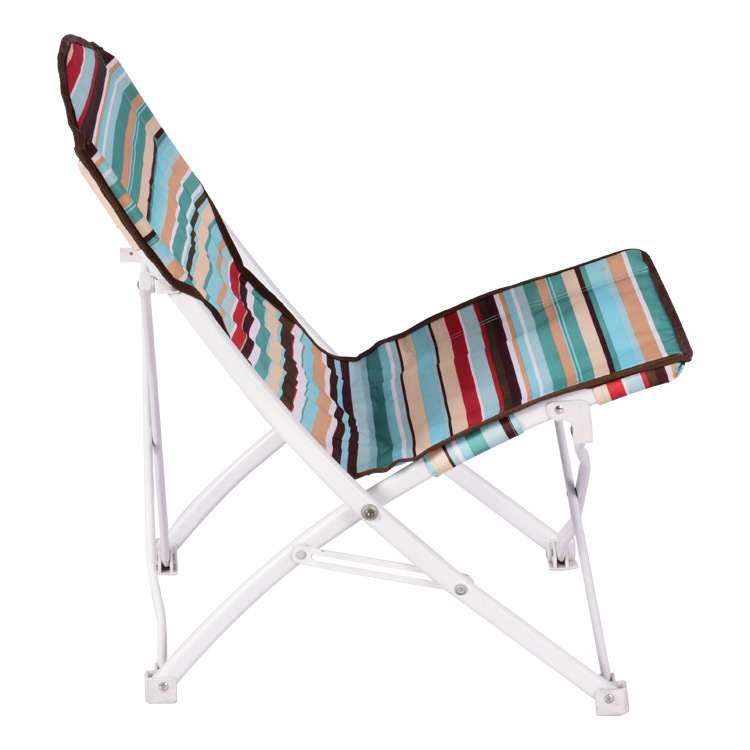
Can a home metal folding beach chair be left outdoors year-round?
A home metal folding beach chair can be left outdoors in certain climates but not in others. In regions with low humidity and temperatures between 40°F and 90°F (4°C to 32°C), a powder-coated aluminum chair with UV-stabilized fabric lasts three to five years outdoors without significant degradation. In regions with freezing temperatures, the fabric becomes brittle at temperatures below 20°F (-7°C) and may crack when unfolded or sat upon. In coastal regions with salt spray, steel frames develop surface rust within six to twelve months unless washed with fresh water weekly. The chair's moving parts—hinges, pivot points, and locking mechanisms—accumulate dirt and moisture when left outdoors. A chair stored outdoors should be covered with a waterproof breathable cover when not in use. The cover prevents rain and dew from seeping into the hinge joints, where water causes corrosion over time. For year-round outdoor storage in any climate, aluminum frame chairs are recommended over steel frame chairs.
How do I repair a torn fabric seat on a home metal folding beach chair?
A torn fabric seat on a home metal folding beach chair can be repaired using one of three methods depending on the tear location and size. For a small tear under 2 inches in length located away from the frame attachment points, apply a fabric repair patch designed for outdoor upholstery. Clean the area with isopropyl alcohol, peel the backing from the patch, and press firmly over the tear. The patch bonds to the fabric and remains flexible for one to two seasons. For a tear along the seam where the fabric attaches to the metal frame, removal and re-stitching are required. Remove the fabric by unscrewing or drilling out the rivets that secure it to the frame. Sew the torn seam using UV-resistant polyester thread and a heavy-duty sewing machine needle (size 18 or 20). Reattach the fabric to the frame using new rivets of the same diameter. For a tear larger than 4 inches or fabric that has degraded to the point of crumbling, replacement of the entire fabric panel is recommended. Some manufacturers sell replacement fabric kits. For chairs without replacement fabric available, a local upholstery shop can cut and sew new fabric using the old panel as a template.
What is the weight limit for a home metal folding beach chair?
The weight limit for home metal folding beach chairs ranges from 225 to 350 pounds depending on frame material and construction quality. Steel frame chairs with 1-inch tubing and welded joints typically support 300 to 350 pounds. Aluminum frame chairs with 0.875-inch tubing and riveted joints typically support 225 to 275 pounds. The weight limit is determined by static load testing, where a weight is placed on the seat for one hour while the chair is in the open recline position. The weakest point in the chair is the pivot joint where the front and back leg assemblies cross. This joint experiences the higher shear force when the chair is occupied. Users approaching the weight limit should sit down slowly and avoid rocking or shifting weight abruptly. Exceeding the weight limit by 20 percent causes visible deflection of the frame and may lead to permanent deformation of the pivot joint. A chair that has been overloaded may develop a wobble when sat upon, indicating that the pivot hole has elongated.
What materials are used in Backpack Beach Chairs?
Backpack beach chairs are constructed from materials selected to balance weight, strength, and corrosion resistance. The frame is almost exclusively 6061 or 6063 aluminum alloy tubing. These alloys contain magnesium and silicon as primary alloying elements, providing a strength-to-weight ratio of approximately 25,000 psi tensile strength per 0.1 pounds per cubic inch density. The tubing outer diameter ranges from 0.625 to 0.75 inches, with a wall thickness of 0.035 to 0.049 inches. Aluminum is selected over steel because it weighs 66 percent less for the same volume and does not rust, though it can corrode in saltwater environments if not anodized or powder-coated.
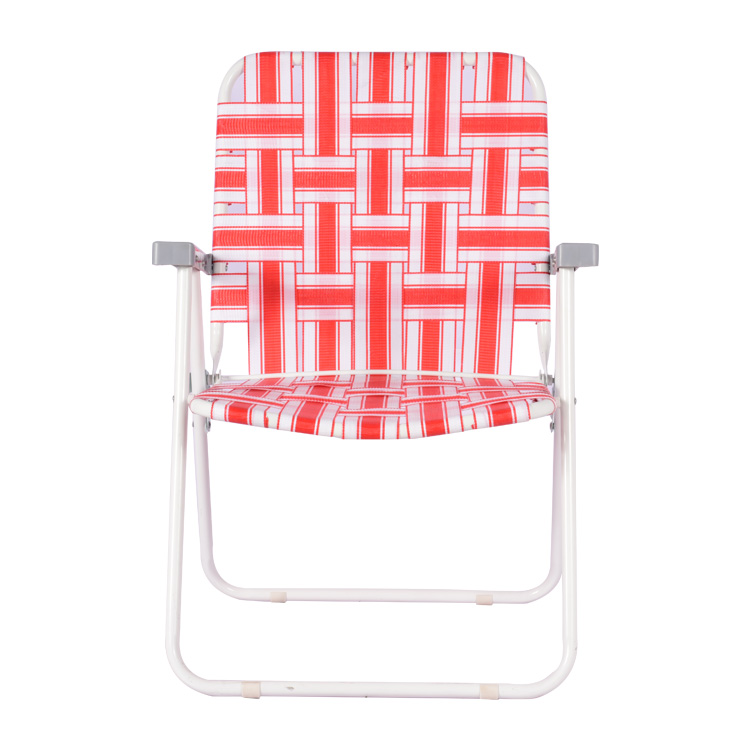
The fabric components consist of three material types. The seat and back panels use Textilene, a PVC-coated polyester mesh. Textilene has an open weave that allows sand and water to pass through while supporting up to 250 pounds. The open area of the weave ranges from 30 to 50 percent, which determines both breathability and tear strength. Higher open area improves drainage but reduces fabric strength. The shoulder straps and backpack harness are made of nylon webbing, typically 2 inches wide with a breaking strength of 1,000 to 1,500 pounds per strap. Nylon is selected for its abrasion resistance and ability to flex without cracking. The padding in the shoulder straps consists of closed-cell polyethylene foam, which does not absorb water and retains 90 percent of its thickness after 10,000 compression cycles.
Are Backpack Beach Chairs easy to make?
The ease of manufacturing a backpack beach chair depends on the production scale and the level of automation available. At an industrial scale, backpack beach chairs are not easy to make because they require multiple fabrication steps and specialized equipment. The following analysis describes the manufacturing process for a typical backpack beach chair produced in quantities of 5,000 units or more.
1. Frame fabrication. Aluminum tubing arrives at the factory in 20-foot lengths. The tubes are cut to specific lengths using a cold saw or automated cutting machine. A single chair requires 10 to 15 cut tube segments of varying lengths for the legs, backrest frame, armrests, and cross braces. Each cut must be accurate to within 0.02 inches to ensure proper alignment during assembly. After cutting, the tubes are bent using a mandrel bender. The bending process requires tooling specific to the tube diameter and bend radius. The backrest frame requires two 90-degree bends, while the armrests require compound bends in two planes. Bent tubes that show wrinkling or flattening at the bend are rejected. The bend accuracy determines whether the chair folds flat without binding.
2. Drilling and hardware installation. Each tube segment requires drilled holes for rivets and pivot pins. A standard backpack beach chair has 16 to 24 drilled holes. The holes must be deburred (smoothed) to remove sharp edges that would cut fabric or cause stress concentrations. Automated drilling stations with multiple drill heads complete this step in 30 to 45 seconds per frame. Manual drilling would require 4 to 5 minutes per frame and produce inconsistent hole placement. After drilling, the frame undergoes either anodizing or powder coating. Anodizing involves submerging the aluminum in an acid bath and applying electrical current to create an oxide layer. Powder coating involves spraying charged plastic particles onto the frame and baking it in an oven. Both processes require dedicated equipment and quality control testing for coating thickness.
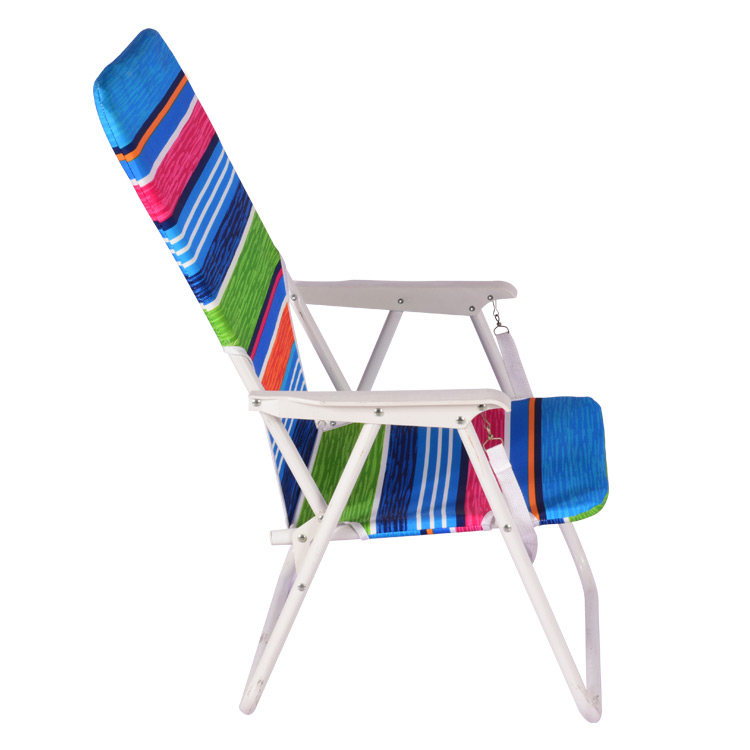
3. Fabric cutting and sewing. The fabric panels for the seat and backrest are cut from rolls of textilene using a die cutter. A single die press can cut four to six panels per stroke. The panels are then sewn using industrial sewing machines with walking-foot mechanisms that feed multiple fabric layers evenly. Each panel requires hemming on all edges and reinforcement stitching at stress points where the fabric attaches to the frame. The sewing step requires skilled operators because the fabric’s open mesh structure does not hold stitches as securely as solid fabric. Stitch density is set to 6 to 8 stitches per inch. Fewer stitches reduce tear strength; more stitches perforate the fabric excessively.

-
-
 TEL:
TEL:
- +86-13738961469
-
-
-
 EMAIL:
- cnds@cndsgm.com
-
-
-
 ADDRESS:
- Niubei Jincun, Baiyang Sub-district, Wuyi County, Jinhua City, Zhejiang Province, China
-
Outdoor Leisure Products Manufacturer

