

 русский
  Español
  Deutsch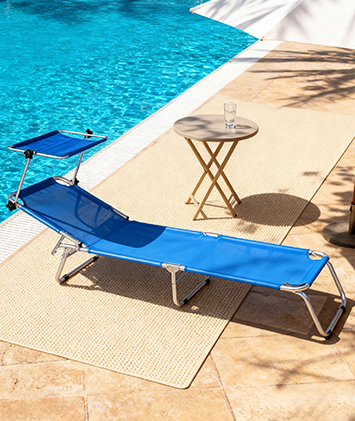
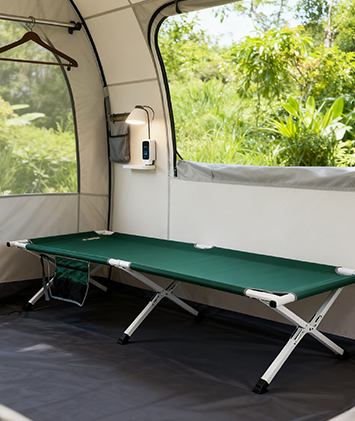
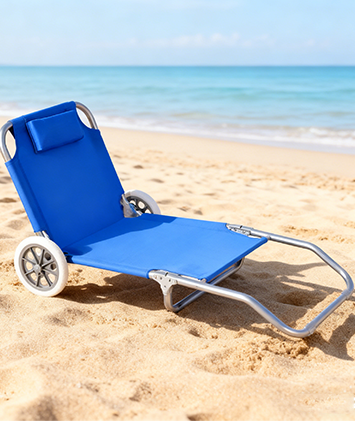
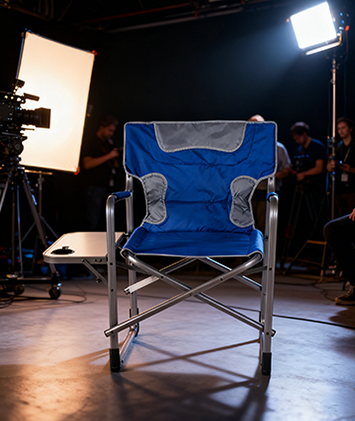
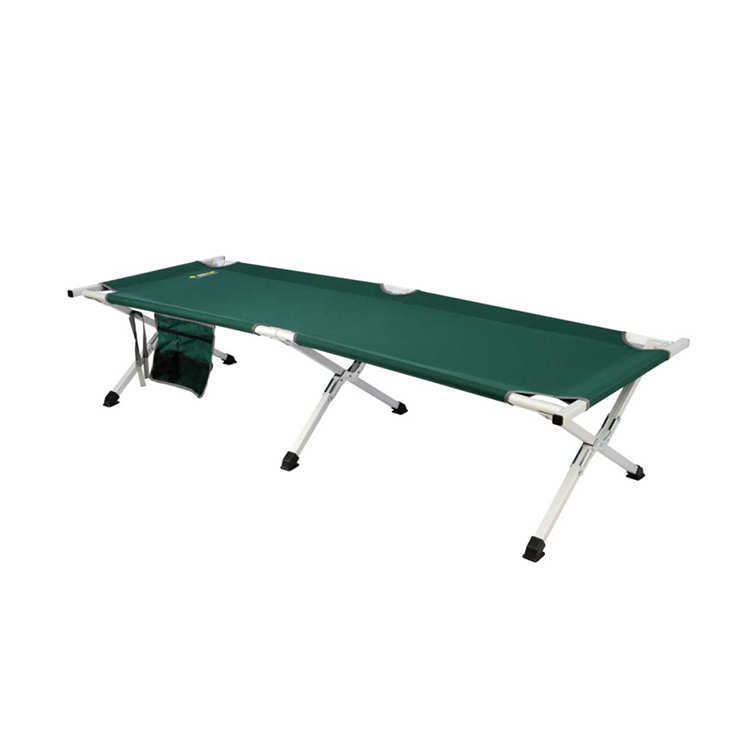
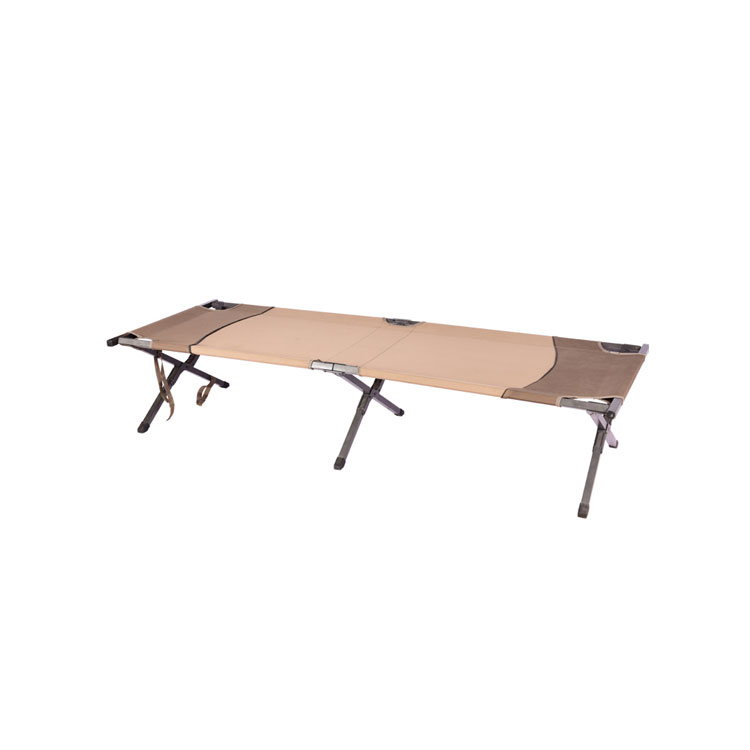
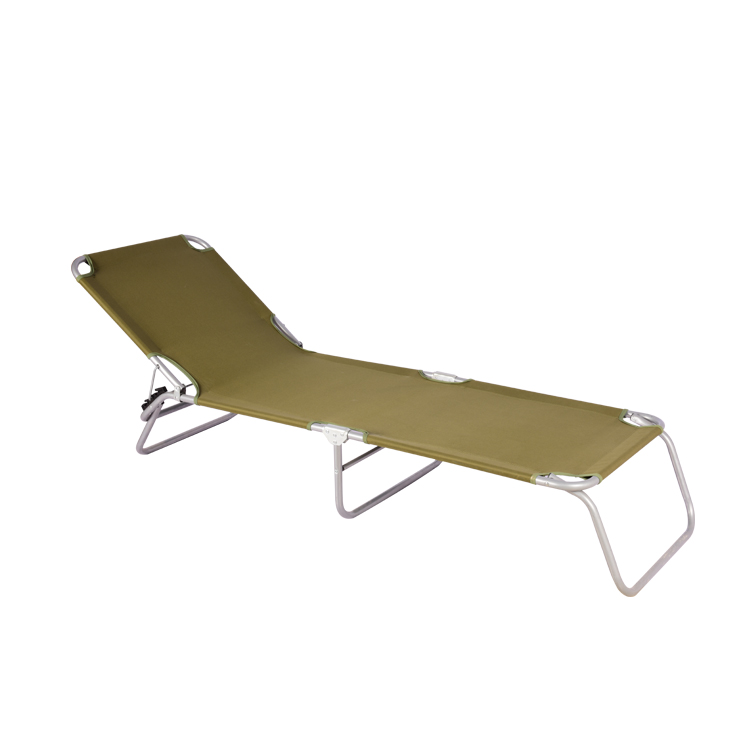
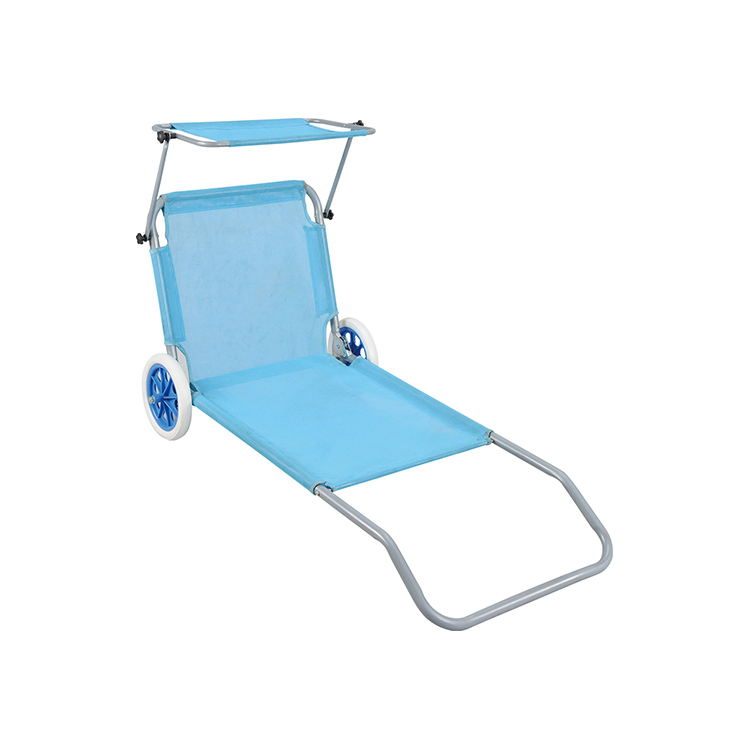


How to Choose an Adjustable Sun Lounger?
Selecting an adjustable sun lounger requires attention to several functional and material-based factors. Below is a structured list of considerations to guide the decision-making process.
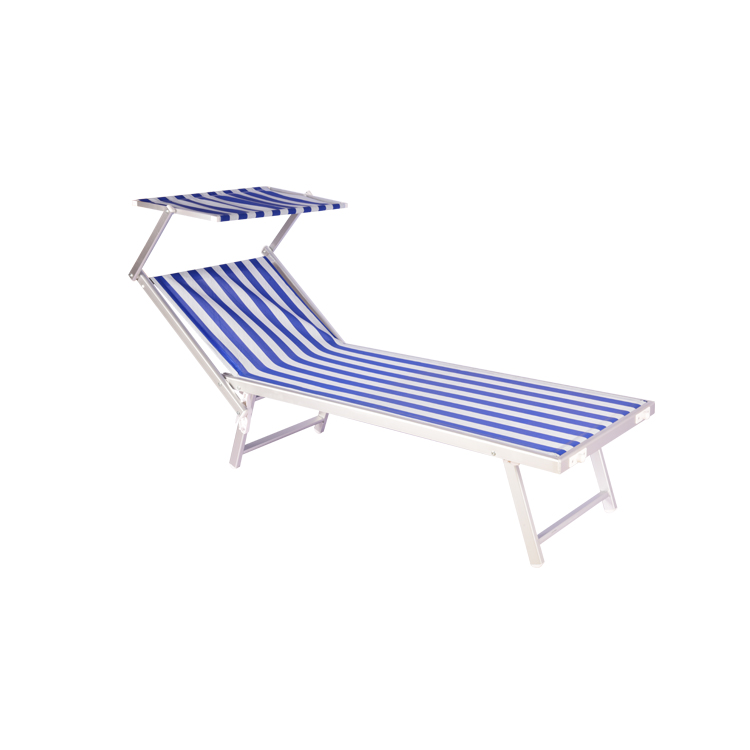
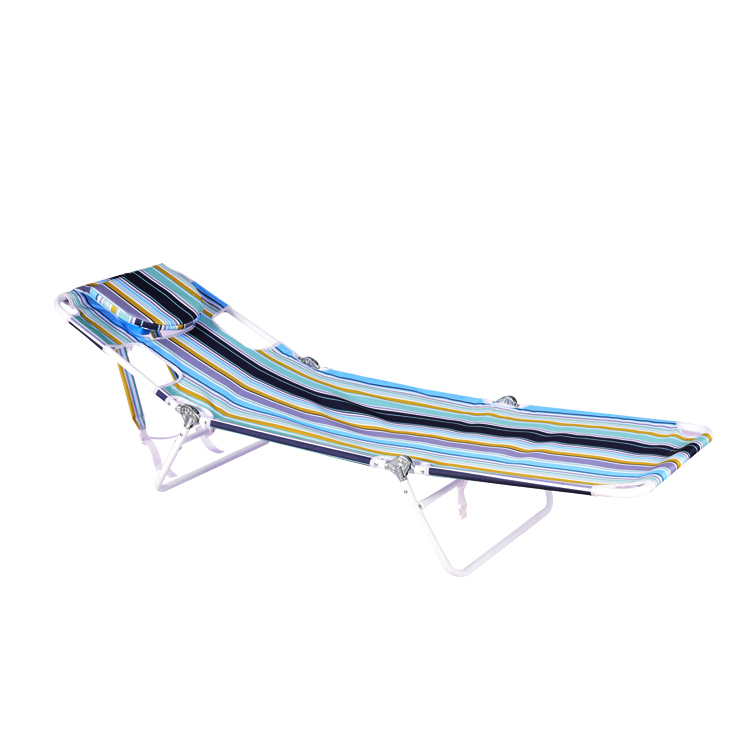
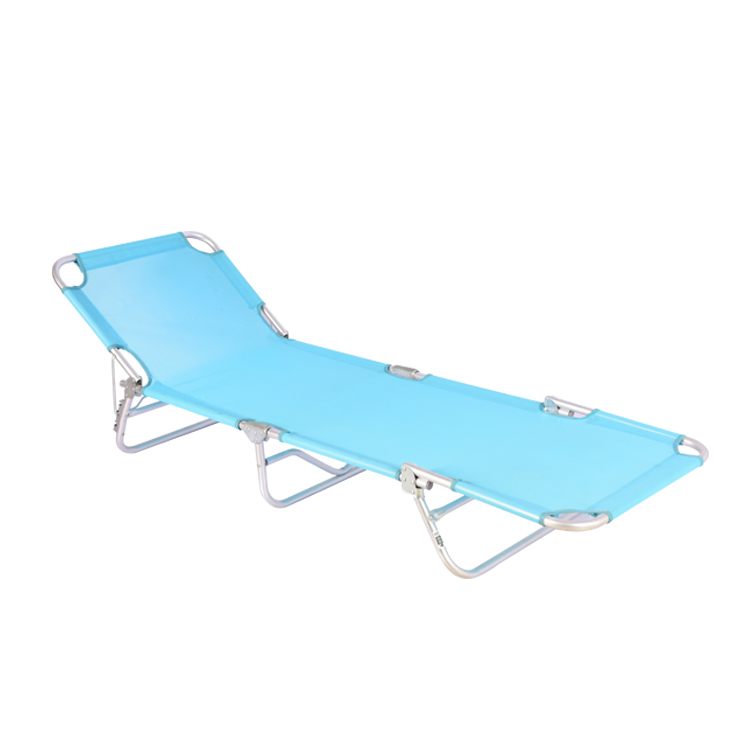
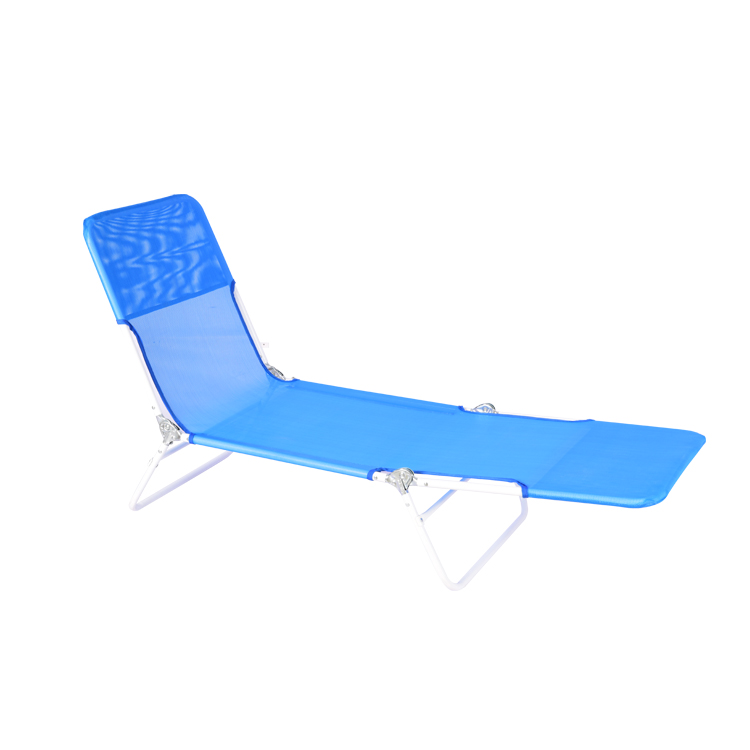
Frame Material Evaluation: Assess the durability of the frame. Aluminum offers rust resistance and is lightweight, while powder-coated steel provides strength but may be heavier. Hardwoods like teak or eucalyptus contain natural oils that resist decay but require periodic sealing. For outdoor settings, aluminum with a rust-resistant coating balances portability and longevity.
Backrest Adjustment Mechanism: Examine the locking system. Common designs include notched metal brackets, gas-piston mechanisms, and telescoping struts. Notched brackets are reliable but offer discrete angle positions. Gas pistons allow smooth, continuous adjustment but may lose pressure over time. Test the mechanism in person if possible; the controls should operate without excessive force.
Fabric and Cushion Specifications: Look for solution-dyed acrylic or polyester mesh fabrics. Solution-dyed fibers retain color longer than printed or piece-dyed alternatives. Mesh panels promote airflow and reduce heat buildup. If cushions are included, check that covers are removable and machine-washable. Closed-cell foam cushions resist water absorption better than open-cell foam.
Weight Capacity and Portability: Confirm the manufacturer’s stated weight limit, typically between 250 and 350 pounds. Wheeled designs facilitate repositioning. Loungers with integrated handles on the frame or headrest area are easier to carry.
Maintenance Requirements: Consider how the lounger will be cleaned. Aluminum and plastic slat loungers require only soap and water. Wood loungers need sanding and oiling every one to two years. Avoid models with many crevices or fabric wraps that cannot be detached for cleaning.
Precautions for Using an Outdoor Chaise Chair
- Surface Stability and Load Distribution on Soft Ground
Position the chaise chair on a firm, level surface. Grass, sand, or loose gravel can cause legs to sink unevenly, leading to tipping or structural strain on the frame joints. For sandy locations, place a plywood sheet or specialized base plate under each leg to distribute weight. On decks or patios, check for splintering or warped boards before setting up the chair. A stable base reduces the risk of sudden collapse and prevents the adjustment mechanism from binding.
- UV Exposure and Material Degradation Over Time
Prolonged sunlight degrades many materials differently. Polyester fabrics lose tensile strength after approximately 500 to 1,000 hours of direct UV exposure, while polypropylene becomes brittle. Even UV-stabilized plastics show surface chalking after two to three seasons. To mitigate this, store the chaise chair indoors or under a cover when not in use. Rotate the chair’s orientation every few weeks to distribute UV exposure across all fabric and frame surfaces. For wooden chairs, apply a UV-inhibiting sealant annually.
- Joint and Mechanism Inspection Before Each Use
Adjustable chairs contain pivot points, hinge pins, and locking teeth that accumulate debris. Sand, pollen, and salt spray can abrade metal components or prevent full engagement of the locking mechanism. Before reclining, inspect each joint for visible wear or corrosion. Operate the adjustment mechanism through its full range of motion while unoccupied. If the mechanism feels gritty or sticks at certain angles, clean it with a soft brush and apply a silicone-based lubricant. Do not use oil-based lubricants, as they attract dirt and may damage plastic bushings.
- Weight Limits and Unbalanced Loading Conditions
Adhere to the manufacturer’s weight specification. Exceeding this limit by 20 percent can cause welds to crack or fabric to tear at the seams. Additionally, avoid placing all weight on the headrest or footrest sections. Sitting abruptly on the end of an extended lounger generates lever forces that exceed static weight ratings. When two people share a double-wide chaise lounge, ensure their combined weight stays within the limit and that they sit near the center of the frame.
Styles of Folding Outdoor Lounge Chairs
|
Style Category |
Primary Materials |
Typical Adjustment Range |
Portability Features |
Recommended Use Setting |
|
Mesh Deck Lounger |
Aluminum frame, textile mesh fabric |
0 to 180 degrees (flat) |
Foldable into a compact shape, under 15 lbs |
Poolside, beach, balcony |
|
Wooden Slat Folding Chair |
Teak, eucalyptus, or acacia wood, stainless steel hardware |
4 to 5 preset backrest angles |
Hinged X-frame, weighs 25–35 lbs |
Garden, patio, resort |
|
Plastic Resin Stackable Lounger |
Polypropylene or HDPE (high-density polyethylene), UV stabilizers |
3 to 6 locked positions |
Folds flat, stacks vertically, wheeled option available |
Public pool, campground, deck |
|
Padded Chaise with Towel Bar |
Steel frame, polyester fabric, polyurethane foam cushion |
Reclining via gas piston (continuous) |
Folds in half, includes carry handle, 20–30 lbs |
Backyard, rooftop terrace |
|
Low-Profile Beach Lounger |
Aluminum or plastic frame, polyester fabric, no cushion |
2 to 3 near-ground angles (3–8 inches off the ground) |
Folds into a 40-inch length, with a shoulder strap |
Sand beach, lawn, music festival |
|
Double-Wide Folding Lounger |
Steel frame, solution-dyed acrylic fabric |
2 to 3 reclining positions per side (independent) |
Center hinge folds width-wise, 35–45 lbs |
Poolside for two, outdoor movie area |